What Your Vet Wants You to Know About Pet Health Trends in 2026
The appointment was at 9:15 a.m. on a Tuesday, and the vet tech asked three questions before even taking the dog’s temperature: What is he eating? Does he get fish oil? Have you considered a microbiome test? Two years ago, none of those questions existed in that exam room. My neighbor — whose golden retriever mix has been seen at the same clinic for seven years — walked out that morning with a referral for a veterinary nutritionist and a QR code linking to a canine gut health protocol. She texted me: “I came in for a limp. I’m leaving with a whole lifestyle plan.”
That moment captures something bigger than a single appointment. The conversation happening between pet owners and veterinarians in 2026 has fundamentally shifted — and not just because pet parents are more informed. The real change is structural: veterinary medicine is now catching up to, and in some cases outpacing, the wellness frameworks humans apply to themselves. The question isn’t whether your pet will be affected by these trends. It’s whether you’re equipped to ask the right questions when you’re sitting in that exam room.
1. The Gut Health Revolution Isn’t Hype — But Most Pet Owners Are Using It Wrong
Canine and feline microbiome research has exploded over the last three years. Veterinary schools at major research universities have dedicated gastroenterology labs publishing on the link between gut flora, immune function, and even behavioral patterns in companion animals. Industry data suggests the pet probiotic and prebiotic market has grown sharply, with more than a dozen new veterinary-grade formulations entering the market in 2025 alone.
Here’s where most people go sideways: they buy a probiotic off an Amazon shelf — usually one marketed for humans, sometimes reformulated with a dog on the label — and assume they’ve handled it. Vets are quietly frustrated by this. The strains that benefit a 45-pound mixed breed are not the same as those researched for a 12-pound cat with chronic GI issues. Dosage matters. Strain specificity matters. And without a baseline — meaning some kind of assessment of your pet’s current gut status — you’re essentially adding ingredients to a recipe you haven’t read.
The more productive approach: ask your vet directly whether a fecal microbiome test is appropriate for your animal. These aren’t exotic procedures anymore. Several veterinary diagnostic labs now offer them at accessible price points, and the results can actually guide which probiotic strains or dietary adjustments make sense for your specific animal, not the average pet in a marketing brochure.
2. Preventive Bloodwork at Every Age — Not Just When Something Looks Wrong
For years, the standard was simple: you brought your pet in when something was visibly off. Limping. Vomiting. Lethargy that lasted more than a day or two. Bloodwork was reactive, ordered in response to a symptom.
That model is changing fast, and veterinarians pushing annual wellness panels — comprehensive metabolic screens, thyroid levels, early kidney markers — are not upselling you. They’re applying the same logic your internist uses when ordering a lipid panel at your physical. Catching chronic kidney disease in a cat at stage one rather than stage three isn’t a luxury. It’s months of quality life, and often thousands of dollars in avoided intervention costs.
The number that tends to land with people: kidney disease affects an estimated one in three cats over the age of ten, according to veterinary internal medicine literature. Most of those cases are discovered late because owners waited for symptoms. Early detection through routine bloodwork — even annual, starting around age seven — changes the outcome trajectory meaningfully. Your vet may not push this hard enough because they’re trying not to seem like they’re padding the bill. Push back. Ask for the baseline panel. Get it on the calendar.
3. Weight Management Has Finally Gotten Honest
Walk into any veterinary waiting room and do a quiet count. In many practices, the majority of adult dogs and cats sitting in those plastic chairs are clinically overweight. Not “a little chubby.” Overweight in the way that loads joints, strains the cardiovascular system, and shortens life expectancy by a measurable margin — veterinary studies have consistently found that lean dogs live roughly 1.8 years longer than their overweight counterparts.
What’s new in 2026 isn’t the awareness that pet obesity is a problem. It’s the tools. Veterinary-prescribed weight management medications — analogous in mechanism to some of the GLP-1 class drugs that restructured human obesity treatment — are now entering the companion animal space. As of late 2025, at least one FDA-approved injectable for weight management in dogs was moving through the late stages of regulatory review. This is not the same as handing your dog a diet kibble and hoping for the best.
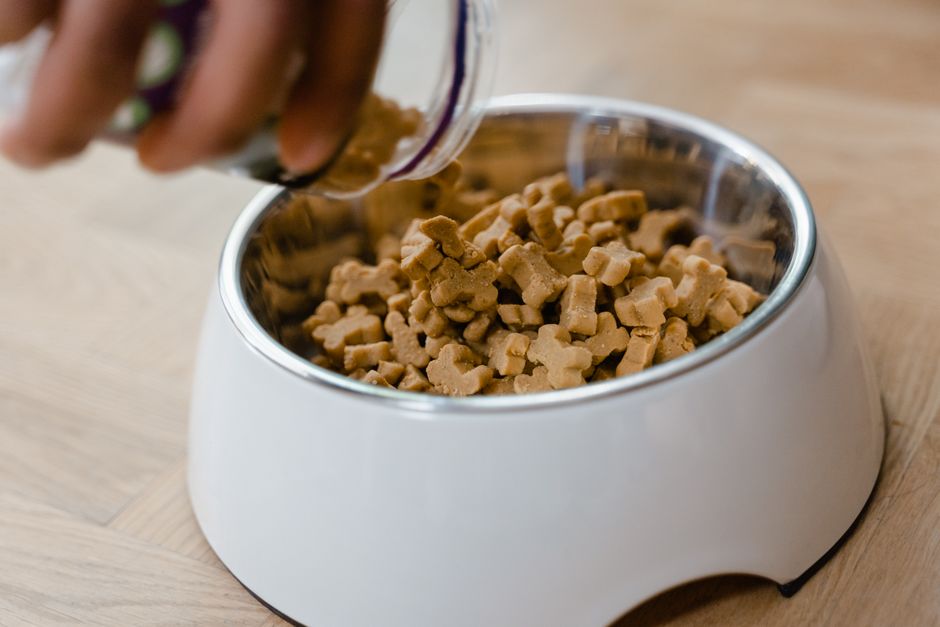
The honest conversation your vet wants to have with you: most pet obesity is owner-generated. Treats are the hidden calorie bomb. A medium-sized dog getting three standard biscuit treats a day may be consuming the caloric equivalent of an extra meal. The fix isn’t complicated — it just requires someone in the household to stop using food as the primary emotional currency with the animal. That’s harder than it sounds, and most vets know it.
4. Mental and Behavioral Health Is Now a Medical Category
This one gets eye-rolls in some circles, and I get it. But the science is real, and veterinarians are no longer treating anxiety, compulsive behavior, and stress responses as personality quirks to be managed with a firm hand. Veterinary behaviorists — board-certified specialists — have waiting lists at major practices in cities like Chicago, Austin, and Seattle that stretch months out. That’s not a trend. That’s demand.
The practical implication for most pet owners isn’t that they need a behaviorist. It’s that behavioral symptoms are now considered diagnostic signals. A dog who suddenly starts over-grooming, a cat who stops using the litter box, a bird who begins feather-pulling — these are no longer automatically “behavioral problems” to be corrected with training. They’re flags that prompt a medical workup first: thyroid, pain assessment, neurological screening. Then behavioral intervention if the medical causes are ruled out.
Pharmaceutical support for anxiety in pets — specifically dogs — has become significantly more refined. There are now multiple FDA-approved options, and vets are more comfortable discussing them without waiting for a crisis. If your dog is destroying furniture every time there’s a thunderstorm, that’s not a training failure. It’s a quality-of-life issue with medical options on the table.
5. What a Real Week With These Trends Looks Like (With the Rough Edges)
My own dog, a seven-year-old shepherd mix named Cleo, became something of an accidental test case for several of these trends starting in early 2025. Her annual exam flagged a mildly elevated kidney value — nothing alarming, but enough that her vet suggested we retest in six months and adjust her protein sources in the meantime. We switched to a lower-phosphorus food, added a veterinary-recommended omega-3 supplement, and scheduled a recheck.
Three months in, she also started showing signs of noise anxiety I’d previously written off as “she just doesn’t like thunder.” Her vet prescribed a short-acting situational medication and suggested a behavioral consult. I scheduled it. The wait was six weeks.
Was every piece of this smooth? No. The food transition took almost three weeks because she refused the new formula for the first five days. The medication worked well but I forgot to give it before a storm once and spent two hours sitting on the bathroom floor with a trembling dog at 11 p.m. The behavioral consult was genuinely useful but also humbling — the behaviorist pointed out three things I was doing that were reinforcing the anxiety rather than calming it.
The kidney value, at her six-month recheck, had normalized. That felt worth the effort.
6. What Doesn’t Work: Four Approaches to Stop Wasting Money On
I have opinions here, and I’m not going to hedge them.
- Buying supplements based on social media recommendations: TikTok and Instagram have generated a thriving market for pet supplements that have no peer-reviewed evidence behind them and no regulatory requirement to prove efficacy. Some are harmless. Some interact with medications. None of them substitute for a conversation with your vet about what your specific animal actually needs.
- Rotating proteins constantly in the name of “variety”: The logic sounds reasonable — variety is good for humans, so it must be good for pets. In practice, frequent protein rotation in dogs can complicate the process of identifying food sensitivities and may destabilize gut flora. Consistency, once you’ve found a diet that works, is usually the better call. Change it with a purpose, not because a blog told you to.
- Skipping the vet and relying on telehealth for everything: Veterinary telehealth has genuine value — for follow-up questions, medication refills, behavioral check-ins. It does not replace physical examination. A vet cannot assess a heart murmur, palpate an abdominal mass, or evaluate a limp through a phone screen. Using telehealth to avoid the cost of an in-person visit is a false economy that can delay detection of conditions that get dramatically more expensive the longer they’re missed.
- Treating “natural” as automatically safer: Essential oils marketed for pet calming. Herbal flea treatments. “Chemical-free” dental products. Natural does not mean safe for animals, several of whom have metabolic pathways very different from humans. Cats, in particular, cannot process certain compounds found in common essential oils that are completely fine for humans. When in doubt, ask your vet before you apply, diffuse, or feed anything sourced from a wellness brand rather than a veterinary one.
7. The Cost Conversation Nobody Wants to Have — But Should
Veterinary care costs have risen substantially over the past several years, and in many metro areas the price of a comprehensive annual wellness visit — bloodwork included — can run $300 to $500 or more. That’s real money, and pretending it isn’t doesn’t help anyone.
Pet insurance enrollment has grown significantly as a result, and it’s worth understanding the landscape before your animal develops a condition. Most policies exclude pre-existing conditions, which means a dog already diagnosed with allergies or a cat with a prior GI issue may face exclusions from day one. The time to enroll, if you’re going to, is when your pet is young and healthy — not after the first claim-worthy event.
Some veterinary practices also offer wellness plan subscriptions — flat monthly fees that bundle preventive care, vaccines, and basic diagnostics. These aren’t insurance, but for younger animals without chronic conditions, they can make the cost of proactive care more predictable. Ask your practice whether they offer one.
Start Here — Three Moves You Can Make This Week
You don’t need to overhaul your pet’s entire care plan to act on any of this. The smallest moves tend to be the ones that actually happen.
Book the annual exam if it’s been more than 12 months. Not when something goes wrong. Now. Ask specifically about a baseline bloodwork panel if your animal is over five years old — that’s the threshold most vets are using for proactive metabolic screening.
Audit your treat situation. Look at every treat, training reward, and table scrap your pet gets in a typical day. Look up the calorie count on the packaging. You may be surprised. Cutting treats by half for two weeks costs nothing and often produces visible results.
Write down two or three behavioral things your pet does that you’ve normalized. The pacing before thunderstorms. The hiding when guests arrive. The compulsive licking at one spot on the leg. Bring that list to the next vet appointment. Not because something is definitely wrong — but because the conversation your vet wants to have starts with information you’re in the best position to provide.
That’s it. Small moves. Specific ones. The kind that actually get done.


Publicar comentário