Why Your Cat’s Anxiety Spirals (and What Actually Stops It)
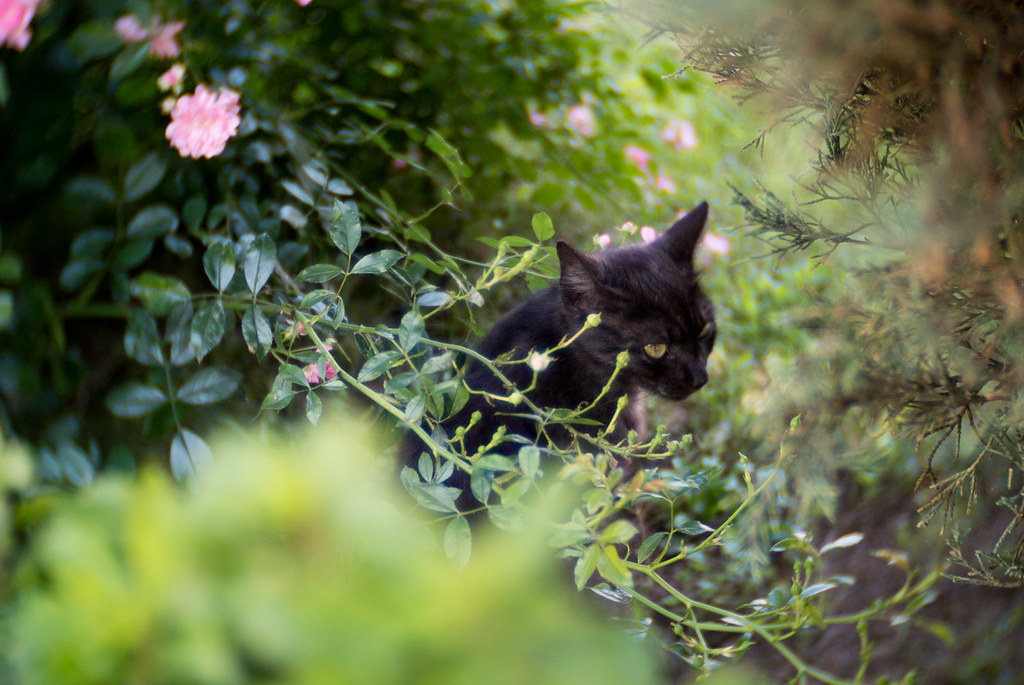
It’s 11:23 p.m. and your cat has been hiding behind the washing machine for six hours. You’ve tried the treats. You’ve tried the soft voice. You’ve tried sitting on the cold laundry room floor just to be near her, and she won’t budge. This is the third time this week. You’re exhausted, she’s miserable, and nothing you’ve found online has actually helped — or at least not in any way that lasted longer than a day.
I’ve been there. My cat Miso spent the better part of two years in a low-grade state of dread. Not dramatic, screaming anxiety — the kind you’d notice right away — but the quieter version: hiding more than usual, overgrooming a patch near her tail, yowling at 3 a.m. for no visible reason. Vets kept telling me she was “a little high-strung.” That’s not a diagnosis. That’s a shrug.
The Real Problem Isn’t Your Cat’s Personality
Here’s the non-obvious thing nobody says out loud: most cat anxiety isn’t a fixed personality trait. It’s a response to an environment that keeps triggering the cat’s nervous system without ever giving it a real chance to reset. The anxiety spirals not because your cat is “difficult,” but because the recovery window — the time between stressors — is too short. You’re not dealing with an anxious cat. You’re dealing with a cat that never gets to stop being anxious.
That distinction matters because it changes the intervention entirely. If it’s a trait, you manage it forever. If it’s a stress-load problem, you can actually fix it — by reducing inputs, not just adding calming products on top of an already overloaded system.
1. What the Research Actually Shows About Feline Stress
Behavioral veterinarians have documented for years that cats are what’s sometimes called “obligate neophophobes” in casual clinical language — meaning novelty itself triggers a fear response. This isn’t dramatic fear. It’s a baseline physiological uptick every time something changes: a new smell, a moved piece of furniture, a guest who’s been in the house for four days and still doesn’t feel right.
The American Association of Feline Practitioners has published consensus guidelines on feline behavior — real documents, publicly available — that acknowledge chronic low-level stress as a driver of conditions like feline idiopathic cystitis, overgrooming, and redirected aggression. One thing those guidelines make clear: environmental enrichment and predictability are first-line treatments, not supplements or pharmaceuticals. Yet most cat owners reach for a pheromone diffuser first, which is like taking ibuprofen for a broken leg. It takes the edge off. It does not fix the break.
2. The Spiral Mechanism — How It Actually Works
Stress in cats accumulates. That’s the part most people miss. Your cat isn’t anxious about the vacuum cleaner specifically. She’s anxious because the vacuum cleaner happened on the same day the plumber came, the same week you rearranged the living room, the same month you brought home a new dog. Each event added a layer. The vacuum was just the last one.
Cortisol — the primary stress hormone in mammals, cats included — doesn’t clear overnight. Some behavioral research in domestic cats suggests it can take several days for stress hormone levels to return to baseline after a significant trigger. That means if your cat’s triggers are spaced less than a week apart, she may literally never return to a calm physiological state. She’s not anxious by nature. She’s anxious by math.
The spiral works like this: chronic stress makes cats hypervigilant. Hypervigilance makes them react to smaller and smaller things. Smaller triggers mean more frequent stress responses. More frequent responses mean longer cortisol elevation. The threshold drops, the reactions get bigger, and eventually the cat is hiding from a plastic bag.
3. What Actually Stops the Spiral
The interventions that work are unglamorous. They don’t come in a nice box from Amazon. They require consistency over weeks, not hours.
Lock down the environment for two solid weeks. No visitors if you can avoid it. No rearranging furniture. No new smells if possible — that includes new cleaning products, candles, or heavily scented laundry detergent. You’re trying to give the nervous system a genuine recovery window, not a break between rounds. Two weeks is the minimum. Some cats need a month.
Add vertical space before you do anything else. Cats regulate anxiety through height. A cat who can get above a threat — real or perceived — has already solved half the problem neurologically. A cat tree positioned near a window, with a clear line of sight to the room’s entrance, is worth more than any supplement I’ve tried. Miso went from hiding under the bed to sitting on top of the refrigerator once I put up a simple wall-mounted shelf system. The first morning she sat up there and watched me make coffee without flinching was genuinely moving.
Feed on a strict schedule. Predictability is calming. When a cat knows food arrives at 7:15 a.m. and 5:30 p.m. — not sometime in the morning, not when you remember — she starts to organize her nervous system around that certainty. It sounds small. It isn’t. Routine is one of the most powerful anxiolytics available to a domestic cat, and it costs nothing.
Interactive play, 10 minutes, twice a day. Not a toy left on the floor. You, holding a wand toy, moving it like prey — irregular, unpredictable, with pauses. This discharges the predator drive that anxiety hijacks. A cat who hunts (even fake prey) twice a day has a legitimate outlet for the nervous energy that would otherwise become hiding, overgrooming, or nighttime yowling. The 10-minute mark matters. Under five minutes, you haven’t discharged much. Over 20, some cats escalate rather than calm down.
4. A Before-and-After That Didn’t Go Perfectly
I started the two-week environmental lockdown with Miso in January of a particularly cold year, which helped because we weren’t going anywhere anyway. I blocked off the laundry room so she had fewer places to spiral into. I put up two wall shelves in the living room at different heights. I set phone alarms for her feeding times. I played with her every night at 8 p.m. and every morning at 7 a.m. with a feather wand she’d previously ignored.
By day four, nothing had changed. She was still skittish, still overgrooming. I almost quit.
By day nine, she started sleeping in the same room as me — not on the bed, but near it. By day fourteen, she was grooming herself normally and the bald patch near her tail was visibly improving. By week four, she was sitting in my lap voluntarily for the first time in over a year.
Then my brother visited for a weekend. She hid for three days after he left. We had to restart. That’s the honest version of this story. It’s not a linear fix. It’s a practice.
5. What Doesn’t Work — And Why I’m Opinionated About This
A few common approaches that I think get oversold:
- Pheromone diffusers as a standalone solution. Products like Feliway have real evidence behind them for short-term stress events — vet visits, moving day. But used alone, without addressing the environmental triggers, they’re a bandage. The anxiety doesn’t go away; it just gets slightly muted while the underlying load keeps building.
- Forcing interaction. Picking up an anxious cat to “show her it’s okay” when she’s in a fear state is counterproductive. You’re adding a physical restraint stressor on top of whatever she’s already processing. Let her approach on her terms. This is one of the hardest things for cat owners to accept — that doing less is doing more.
- Puzzle feeders as a first intervention. Puzzle feeders are great enrichment for a cat who’s bored. For a cat in active anxiety, being forced to work for food when she’s already on edge can increase frustration and stress. Get the baseline calm first. Add enrichment challenges after.
- Waiting it out indefinitely. “She’ll adjust” is sometimes true. It’s also sometimes how cats spend three years in chronic stress that eventually manifests as urinary blockages or redirected aggression toward a family member. If the behavior has been present for more than six weeks, you’re not waiting it out — you’re just watching the spiral deepen.
6. When to Talk to a Veterinarian — and Which Kind
If four weeks of environmental management doesn’t produce measurable improvement, it’s time to involve a professional. But not just any vet — ideally, one with behavioral training, or a referral to a board-certified veterinary behaviorist. These are actual specialists, credentialed through the American College of Veterinary Behaviorists, and they exist in most major metro areas and via telehealth consult.
Medication isn’t failure. For cats with severe anxiety, short-term anxiolytics or longer-term SSRIs can lower the physiological baseline enough that behavioral interventions actually land. The medication creates the window. The environment fills it. Both matter.
What you’re looking for in that conversation is a vet who asks about your cat’s environment, routine, and triggers — not one who hands you a prescription in the first five minutes without that context. If the appointment feels like a drive-through, get a second opinion.
Start Here, This Week
Three things, small enough to actually do:
- Set two phone alarms today for your cat’s feeding times and keep them for 14 days straight. Don’t adjust based on your schedule. Let her schedule anchor yours, temporarily.
- Identify one high-traffic area your cat currently avoids and block human access to it for two weeks. Give her a zone that’s genuinely hers — no foot traffic, no surprises.
- Buy a wand toy if you don’t have one — a simple one, under $10 — and use it tonight for 10 minutes before you sit down to watch anything. Note whether she engages. That engagement level is your first real data point.
The spiral stops when the load drops and the safety signals accumulate. That takes longer than we want it to. But it does stop.


Publicar comentário