Why Vets Warn Against Raw Diets for Dogs
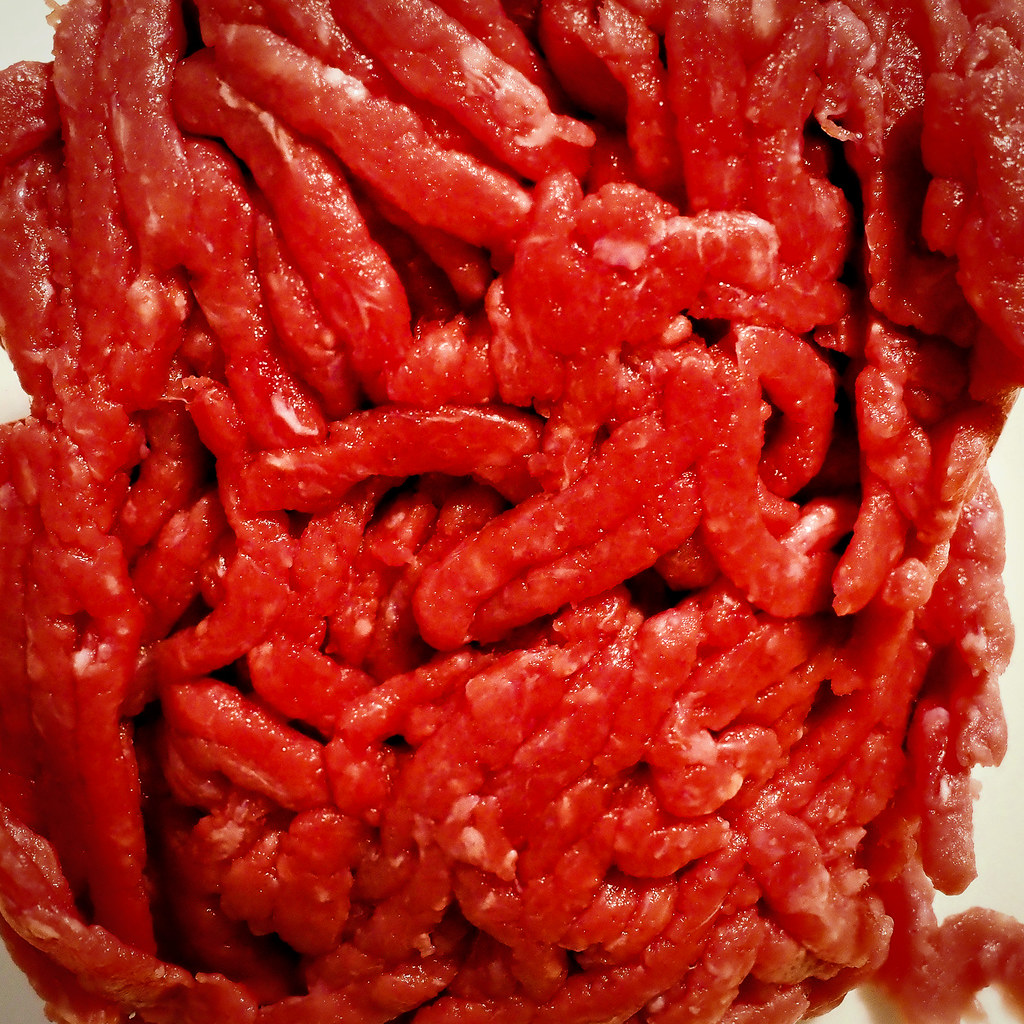
Your neighbor’s golden retriever, Biscuit, has been on a raw diet for six months. His coat looks incredible — seriously, you’ve noticed. So you start Googling at 10:30 on a Tuesday night, falling down a rabbit hole of forums where passionate owners swear their dogs have never been healthier. By midnight, you’ve got a cart full of frozen chicken necks and beef organs from an online raw-pet-food retailer. It feels like the natural choice. The ancestral choice.
Then your vet finds out, and the conversation gets uncomfortable fast.
Here’s the thing most raw-diet debates miss entirely: the problem isn’t that raw food is inherently “bad.” The problem is that the risks are real, specific, and not evenly distributed — and the people most likely to discover them are the ones who were never told what to watch for in the first place. Biscuit’s shiny coat is real. So is the Salmonella risk hiding in his food bowl. Both things can be true at the same time, and pretending otherwise is how dogs end up in emergency clinics.
1. The Contamination Problem Is Bigger Than You Think
When veterinary and public health organizations have tested commercially available raw pet foods, the results have been consistently unsettling. The FDA has conducted multiple surveys of raw pet food products and found detectable levels of harmful bacteria — including Salmonella and Listeria monocytogenes — at rates that would trigger recalls if found in human food at the same frequency. We’re not talking about theoretical contamination. We’re talking about pathogens that show up in sealed, frozen packages sitting in people’s freezers right now.
A peer-reviewed study published in a veterinary journal — one that tested dozens of commercially prepared raw dog food products — found that a significant percentage contained at least one pathogen of concern. The specific numbers vary by study, but the directional finding has been consistent across multiple independent analyses over the past decade: raw meat-based diets carry a measurably higher contamination load than cooked commercial diets.
This matters for your dog, obviously. But it also matters for you. Dogs who eat raw meat shed bacteria in their feces and saliva. If your three-year-old gets a face lick right after the dog finishes his bowl, that’s a transmission pathway. Immunocompromised family members, elderly grandparents, infants — they’re all in the exposure chain. Your vet isn’t being overcautious when they bring this up. They’re doing the math you might not have thought to do yet.
2. Nutritional Balance Is Harder to Achieve Than It Looks
There’s a version of raw feeding that’s genuinely thoughtful — carefully formulated, rotated proteins, proper organ-to-muscle-to-bone ratios, supplemented with missing micronutrients. Some veterinary nutritionists do work with owners to build these diets correctly. That version exists.
And then there’s the version most people actually do, which is buying a pre-made frozen raw blend or following a recipe from a Facebook group and calling it done.
The gap between those two things is enormous. A dog eating an improperly balanced raw diet over months or years can develop serious deficiencies or excesses — too much calcium causing bone abnormalities, not enough zinc leading to skin and immune issues, inadequate taurine (a real concern that’s been linked to dilated cardiomyopathy in some dogs). These problems don’t show up in week one. They show up at the annual checkup eighteen months later, in bloodwork, or worse, in an x-ray.
A board-certified veterinary nutritionist — an actual specialist, not just a vet who’s interested in nutrition — charges somewhere between $200 and $400 for a consultation to formulate a diet correctly. Most people who start raw feeding don’t do this step. And the pre-made commercial raw products? Many of them are not formulated to meet the AAFCO (Association of American Feed Control Officials) nutritional standards that govern conventional dog food. The label may not even claim to be “complete and balanced” — and owners often don’t read that part.
3. Puppies, Senior Dogs, and Sick Dogs Are in a Different Risk Category
If you have a healthy, adult, medium-to-large breed dog with no immune issues, your vet’s concern about raw feeding is, let’s say, moderate. It’s still there. But it’s not the same conversation as if you have a four-month-old puppy, a dog on chemotherapy, a dog with chronic kidney disease, or a twelve-year-old Lab whose immune system isn’t what it used to be.
Puppies are particularly vulnerable because their immune systems are still developing and because they’re growing fast — nutritional imbalances hit them harder and faster than adult dogs. A calcium-to-phosphorus ratio that’s just slightly off can cause skeletal problems in a large-breed puppy that won’t be reversible. This isn’t a fringe veterinary position. It’s the kind of thing you hear from orthopedic veterinary surgeons who’ve seen the x-rays.
Senior dogs with compromised organ function can’t process certain nutrient loads the way a younger dog can. High protein raw diets, for example, require more from the kidneys — and if those kidneys are already working at reduced capacity, you’re asking more of a system that can’t afford it.
4. A Real Case: What “Mostly Fine” Actually Looked Like
A friend of mine switched her border collie mix, a five-year-old named Rue, to a homemade raw diet after reading several books about canine ancestral nutrition. She was meticulous about it — she tracked the ratios, she rotated proteins, she added supplements. For about eight months, Rue seemed great. Energy was good. Coat was good. Stool was firmer than it had been on kibble.
Then Rue got a bacterial GI infection. The vet couldn’t say with certainty it was from the raw food — and to be fair, it might not have been. But the bloodwork that came back during that illness also showed some early kidney value changes that the vet wanted to monitor. My friend isn’t a careless owner. She did more research than most people do. And she still ended up in a situation where the diet she thought was optimal was potentially contributing to something quietly going wrong.
She transitioned Rue to a cooked, home-prepared diet formulated by a veterinary nutritionist. The kidney values stabilized. Rue’s coat is still great. The lesson isn’t “raw food destroys dogs.” The lesson is that “mostly fine” for a long time can mask something that isn’t fine — and that has a cost.
5. What Vets Actually Say — and Why Owners Tune It Out
Most vets don’t walk into the exam room and say “raw diets are poison.” What they actually say is more like: “I’m concerned about contamination risks, especially with the kids in your house” or “this diet hasn’t been tested for long-term nutritional completeness.” It’s measured. It’s hedged. And because it’s not dramatic, owners sometimes hear it as “my vet is just being conservative” and move on.
The American Veterinary Medical Association (AVMA) has a formal policy discouraging raw protein diets for pets, citing pathogen risks. The American Animal Hospital Association (AAHA) has taken a similar position. These aren’t fringe organizations. When multiple major professional bodies land in the same place, it’s worth taking seriously — even if you ultimately make a different choice.
The thing that frustrates vets, from what I’ve gathered talking to a few of them, is the asymmetry of information. Raw feeding communities are loud, passionate, and full of success stories. The dogs that get sick, the owners who quietly switch back to kibble after a bad experience — they’re not posting in the Facebook groups. You mostly hear from the people for whom it’s working, at least so far.
6. What Doesn’t Work: Common Arguments That Sound Good But Aren’t
Let me be direct about a few approaches in the raw-feeding conversation that I think are genuinely unhelpful:
- “Wolves eat raw meat, so dogs should too.” Dogs are not wolves. They’ve been domesticated for somewhere between 15,000 and 40,000 years, depending on the study, and their digestive systems and nutritional needs have diverged meaningfully from their wild ancestors. Wild wolves also have significantly shorter lifespans and deal with parasites constantly. “Natural” doesn’t automatically mean “optimal for a pet living to age 14.”
- “My dog has been on raw for three years and is perfectly healthy.” This is anecdote, not evidence. It’s genuinely useful information — it means raw feeding doesn’t automatically cause immediate harm — but it doesn’t tell you about long-term effects, about what’s happening in bloodwork you haven’t checked, or about the contamination risk to humans in the household who haven’t gotten sick yet.
- “Commercial kibble is full of fillers and junk.” Some of it is. Some of it isn’t. The quality of commercial dog food varies enormously, and the worst kibble isn’t a good argument for the best raw diet. These aren’t the only two options. Cooked fresh food, high-quality commercial food formulated to AAFCO standards, home-prepared cooked diets — there’s a whole spectrum.
- “Vets just push commercial food because they profit from it.” This one comes up constantly and it’s mostly unfair. Yes, many vet clinics carry prescription diets. No, that doesn’t mean every recommendation about raw feeding is compromised. Vets see the outcomes of what they recommend — and the ones warning about raw diets are doing so because they’ve seen what can go wrong, not because they’re protecting Hill’s revenue.
7. If You’re Still Considering It — Here’s What Responsible Looks Like
I’m not going to tell you never to feed raw. That’s not my call, and you’re an adult. But if you’re going to do it, the difference between a thoughtful approach and a risky one comes down to a few specific things.
Get a consultation with a board-certified veterinary nutritionist before you start — not after six months. The ACVN (American College of Veterinary Nutrition) has a directory on their website where you can find one. If you can’t afford that in person, some offer remote consultations. The $250 you spend there is the most important money in this whole conversation.
Run bloodwork every six months for the first year, not just annually. You want to catch kidney values, calcium levels, and any early signs of deficiency before they become clinical problems. A routine wellness panel at most vet clinics runs $80 to $150 — it’s not nothing, but it’s the monitoring that makes the difference between catching something early and discovering it too late.
Handle raw meat the way you’d handle raw chicken for your own dinner: separate cutting boards, thorough handwashing, sanitized bowls after every meal. Don’t let your dog lick faces right after eating. Wash your kids’ hands if they’ve been near the food bowl. These aren’t extreme measures — they’re just basic food safety applied to your dog’s bowl.
Your Next Three Steps (They’re Small)
If you’re currently feeding raw and wondering whether to keep going, here’s what I’d suggest doing this week — not a complete overhaul, just three concrete moves:
1. Pull out the label on your current raw food product and look for the phrase “complete and balanced” and an AAFCO statement. If it’s not there, you need to know that — and you need to talk to someone about what’s missing.
2. Schedule a regular bloodwork panel at your next vet visit if you haven’t had one in the past six months. Tell your vet you’re feeding raw and ask specifically what markers they want to track. This one conversation changes the whole dynamic — your vet goes from worrying to monitoring, which is a much more useful place to be.
3. Spend twenty minutes on the ACVN website just to see what a veterinary nutritionist consultation actually costs and looks like. You might be surprised it’s more accessible than you assumed — and it’s the one step that separates owners doing raw feeding thoughtfully from owners doing it on vibes.
Biscuit’s coat really is something. But his owner’s peace of mind would probably look different with a bloodwork panel behind it.


Publicar comentário