How to Keep Your Senior Dog Moving Without Expensive Treatments
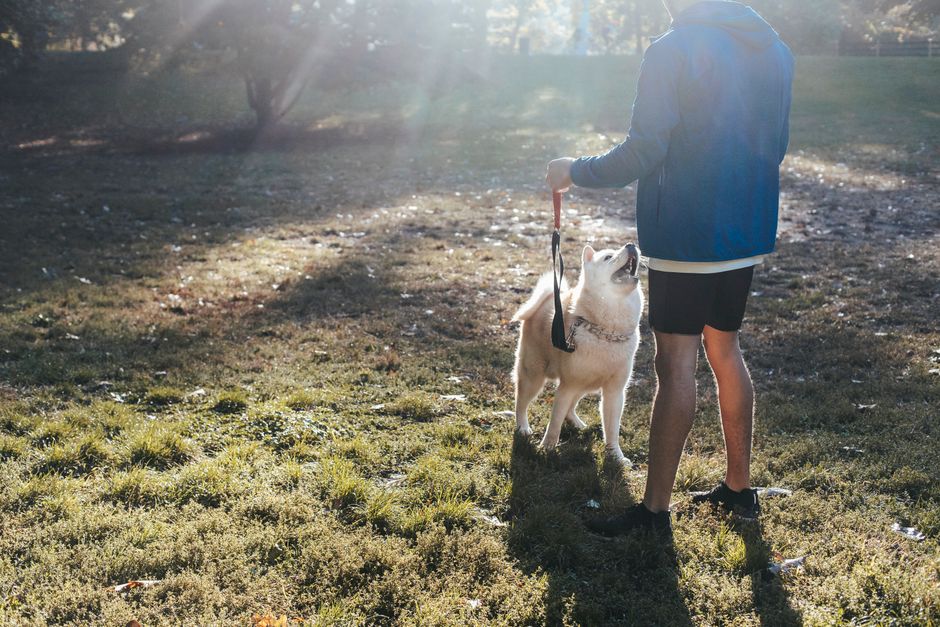
It was a Tuesday morning — around 7:15 a.m. — when I noticed my 10-year-old Lab mix, Biscuit, hesitate at the bottom of the stairs. He’d done those three steps a thousand times. That morning, he put one paw on the first step, paused, looked at me, and backed off. No yelp, no drama. Just… a quiet surrender that hit harder than any noise he could have made.
That moment sent me down a rabbit hole of vet visits, supplement shelves at PetSmart, and late-night forums. What I found surprised me: the biggest obstacle for most senior dog owners isn’t money. It’s not knowing what actually moves the needle before things get serious. By the time most people start spending on laser therapy or prescription NSAIDs, they’ve already missed a six-to-twelve-month window where simple, low-cost changes could have slowed the progression significantly.
The problem isn’t that joint supplements are too expensive. The problem is that most owners treat joint decline as a veterinary issue when it’s actually a lifestyle issue — one that shows up at home, in the food bowl, on the floor, and in the daily walk schedule, long before it shows up on an X-ray.
1. What’s Actually Happening in Your Dog’s Joints (And Why It Matters Now)
Canine osteoarthritis is a progressive condition where cartilage — the cushioning tissue between bones — gradually wears down. Inflammation follows. The joint loses range of motion. Pain changes behavior. According to the Arthritis Foundation, an estimated 20% of dogs over the age of one show signs of arthritis, and that number climbs sharply after age seven. In large breeds, some studies suggest the rate may be closer to 65% in dogs over eight.
What makes this tricky is that dogs are stoic. Biscuit never cried. He just started lying down more, took longer to stand after naps, and started skipping his usual lap around the backyard. Those are the real warning signs — behavioral shifts, not vocalizations. By the time a dog is openly limping or refusing to eat, the inflammation has usually been building for months.
The window that matters most is the early-to-mid stage, typically ages 7–10 depending on breed size. That’s where low-cost interventions have the most impact. And that’s exactly what this guide focuses on.
2. The Floor Under Their Feet Is Doing More Damage Than You Think
Hardwood and tile floors are one of the most underrated contributors to joint pain in senior dogs. When a dog can’t get traction, they compensate — shifting weight awkwardly, using muscles to stabilize instead of moving fluidly. Over time, that compensation creates secondary tension in the hips, shoulders, and spine.
A pack of non-slip area rugs from a place like HomeGoods or IKEA — the kind with rubber backing — costs anywhere from $15 to $40. If you put a runner down the main hallway and a rug at the base of any furniture your dog uses, you’ve addressed a real physical problem for under $100. I put down three rugs in our main living area and within two weeks, Biscuit was moving between rooms with noticeably less hesitation.
Orthopedic dog beds make a similar difference. You don’t need the $200 memory foam version. A firm, flat foam bed — the kind marketed as orthopedic — runs about $40 to $60 and does the job. The key is that senior dogs should never be sleeping on hard floors or thin blankets. That extra time on a hard surface stiffens joints overnight, and then you see the worst movement in the morning.
3. Weight Is the Single Most Powerful Variable You Control at Home
This is the part nobody wants to hear. Every extra pound a dog carries puts roughly three to five pounds of extra force on their joints with each step. For a dog who’s five pounds overweight — which is shockingly common in Labrador Retrievers, Beagles, and Dachshunds — that adds up to thousands of pounds of extra stress per day.
Your vet can tell you your dog’s ideal weight range. If you’re not sure, a rough check is the rib test: you should be able to feel each rib with light pressure but not see them. If you have to press to find ribs, your dog is likely overweight.
Reducing calories by 10 to 15% — by measuring food precisely with a kitchen scale instead of a scoop — is free. Switching from free-feeding to two measured meals a day is free. Replacing high-calorie treats with green bean pieces or baby carrots costs almost nothing. I started weighing Biscuit’s food and cutting his portion by about 20 grams per meal. He lost 4 pounds over three months. The difference in how he moved was visible.
4. The Right Kind of Movement — Not Less Movement
A lot of people respond to a stiff, limping dog by stopping walks entirely. That’s the wrong call. Controlled, low-impact movement is one of the best things you can do for arthritic joints. It keeps synovial fluid circulating, maintains muscle mass that supports the joint, and prevents the stiffness that comes with prolonged rest.
The key word is “controlled.” What you want to cut is:
- Sudden explosive movement — fetch, frisbee, chasing other dogs at the dog park
- Stairs taken at full speed
- Jumping up onto or off of furniture
- Long hikes on uneven terrain
What you want to keep — and even expand — is:
- Slow, steady leash walks on flat surfaces (15–20 minutes, twice a day)
- Sniff walks where the dog sets the pace
- Gentle swimming or hydrotherapy, if accessible (many areas have canine rehab pools)
- Short, frequent movement sessions rather than one long burst
Warm muscles move better than cold ones. Before a walk, two minutes of gentle massage along the dog’s back and hindquarters gets blood flowing. After the walk, let them cool down slowly — don’t head straight inside to a cold floor.
5. Supplements That Have Actual Evidence Behind Them
The supplement aisle at any pet store is overwhelming, and most of it is noise. But two ingredients have enough research behind them to be worth considering: glucosamine and omega-3 fatty acids (specifically EPA and DHA from fish oil).
Glucosamine is a natural compound found in cartilage. Supplementing it may help slow cartilage breakdown and reduce inflammation, though it works gradually — most vets say give it at least 8 to 12 weeks before judging results. Fish oil is an anti-inflammatory with a stronger evidence base across both human and animal studies. The dose matters: for a 60-pound dog, you’re typically looking at around 1,000 to 2,000 mg of combined EPA/DHA per day, but confirm the exact dose with your vet based on your dog’s weight and health status.
Cosequin and Nutramax are two brands frequently recommended by veterinary professionals for glucosamine-based joint supplements — they’ve been around long enough to have some credibility, and they’re available at most big-box pet stores for around $30 to $50 for a two-month supply. Plain fish oil capsules — human-grade, no added flavors or xylitol — are often cheaper than pet-specific versions.
Skip the products with 10 ingredients and vague claims like “joint mobility matrix.” More ingredients don’t mean more effectiveness. They usually mean more margin for the manufacturer.
6. What Doesn’t Work — A Direct Opinion
There are a few common approaches I’d push back on directly, based on watching people in dog owner communities and talking to vets over the past few years:
Chondroitin alone as a stand-alone solution. It’s often paired with glucosamine for good reason — on its own, the evidence for chondroitin in dogs is thin. Don’t overpay for products where chondroitin is the star ingredient.
Resting the dog completely. I mentioned this earlier, but it bears repeating because it’s so common. Owners see a dog limping and put them on crate rest for a week. Unless your vet has specifically prescribed rest for an acute injury, this tends to make chronic arthritis worse. Muscle atrophy happens fast in senior dogs, and less muscle means less joint support.
Waiting until the dog “really seems to be in pain.” Dogs don’t show pain the way we expect. By the time they’re obviously suffering, the disease has usually progressed past the stage where lifestyle changes are most effective. Start earlier than you think you need to.
Buying into every new supplement trend. CBD for dogs, turmeric paste, herbal blends — some may offer mild benefit, but none of them have the clinical track record of fish oil and glucosamine, and some have bioavailability issues that mean your dog isn’t actually absorbing much. Spend your money on the basics first.
7. A Real Week — What It Looked Like in Practice
Here’s what a week of low-cost joint management looked like with Biscuit after I got serious about it:
Monday: Measured his food — 200 grams instead of the usual 240. Two 20-minute slow walks. Added a pump of fish oil to his morning meal. He slipped once on the kitchen floor and I ordered two more rugs that night.
Wednesday: Skipped the afternoon walk because it was raining and he seemed stiff — this happens. Replaced it with a five-minute gentle massage session on the living room rug and a 10-minute backyard sniff session. Not perfect, but not nothing.
Friday: He made it up the three stairs without hesitating. Once. I didn’t make a big deal of it, but I noticed. That was week four of the new routine.
Saturday: Tried a longer 35-minute walk because I was feeling optimistic. He was stiff the next morning. Lesson: consistency at moderate levels beats occasional long outings every time.
The whole week cost nothing beyond the fish oil ($18 for a bottle that lasts two months) and the rugs I’d already ordered. No vet visit, no prescription. Just attention and routine.
8. When It’s Time to See the Vet — And What to Ask
None of this is a substitute for professional veterinary care. There are signs that warrant a real appointment: sudden worsening of mobility, obvious pain when you touch a specific joint, changes in eating or bathroom habits, or a dog that stops bearing weight on a limb. At that stage, X-rays matter, and a vet may recommend prescription anti-inflammatories or a referral to a canine rehabilitation therapist.
When you do go, ask specifically about joint supplements — many vets have a preferred formulation or dosing protocol. Ask about the dog’s body condition score and get a target weight in pounds. Ask whether hydrotherapy is available in your area; it’s often more affordable than people assume, sometimes $30 to $50 per session, and a few sessions can teach you exercises to do at home.
The goal of all the lifestyle work isn’t to avoid the vet. It’s to show up to the vet with a dog whose condition hasn’t quietly spiraled for a year while you waited for an obvious sign.
Start Here — Three Small Things This Week
Don’t overhaul everything at once. Pick one thing today:
- Put down one non-slip rug in the room where your dog spends the most time. Tonight, if possible. This takes 10 minutes and costs under $25.
- Measure your dog’s food for the next seven days instead of eyeballing it. Use a kitchen scale. Note whether the portion matches the feeding guidelines on the bag for your dog’s target — not current — weight.
- Add a five-minute slow walk to your routine this week. Not a power walk. A slow, sniff-heavy stroll where your dog sets the pace. Watch how they move. That observation alone will tell you more than any article.
Biscuit is 12 now. He still hesitates on stairs some mornings — usually cold ones. But he gets up, he moves, and most days he still makes that lap around the backyard. That’s the goal. Not erasing the aging process. Just keeping it from running ahead of schedule.


Publicar comentário