Why Your Aging Pet Stops Drinking Water: Hydration Signs to Watch
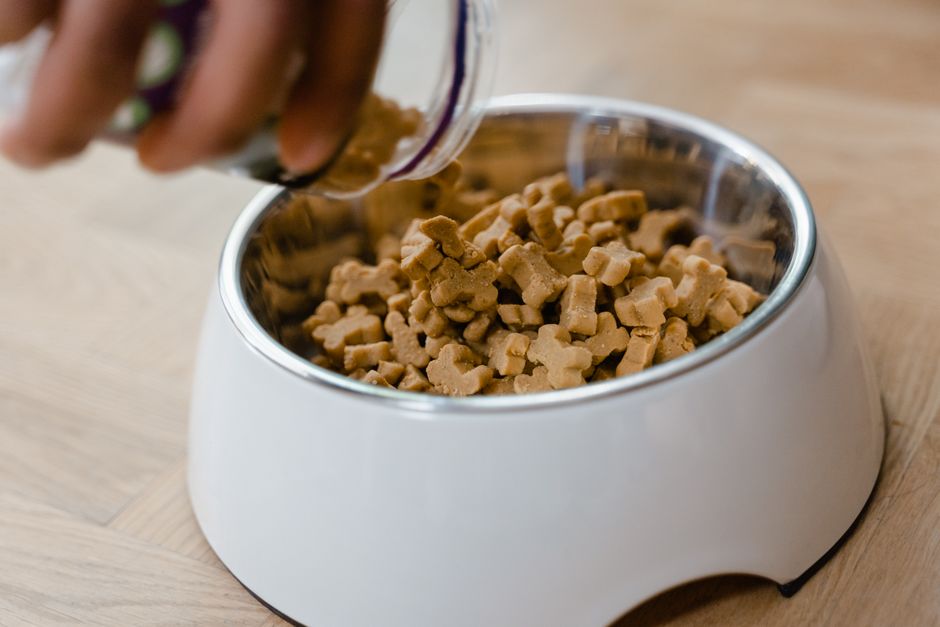
It was 10:23 p.m. on a Tuesday when my neighbor called, voice tight with worry. Her 14-year-old golden retriever hadn’t touched his water bowl since that morning — and she wasn’t sure if it had been happening for days. She’d been refilling the bowl out of habit, never actually watching whether he drank. That call stuck with me, because I’ve heard a version of it more times than I can count.
Aging pets stop drinking for reasons that aren’t always obvious, and the window to catch the problem is shorter than most people think. Dehydration in a senior dog or cat can go from “a little off” to “emergency vet visit” in less than 48 hours — sometimes faster, depending on the animal’s size and underlying health.
The Real Problem Isn’t Thirst — It’s Perception
Most pet owners assume that if their animal is thirsty, it will drink. That’s true for healthy young animals. Senior pets are different. As animals age, their thirst response weakens — meaning the signal that triggers drinking becomes unreliable. Your 13-year-old cat may be significantly dehydrated and still walk past the water bowl without any apparent interest. The problem isn’t that they’re refusing to drink. The problem is that they don’t feel thirsty the way they used to.
This is the piece that most general pet care advice skips over entirely. It treats senior pet dehydration as a behavioral problem — “just get a fountain,” “try a different bowl” — when it’s actually a physiological one. The thirst mechanism becomes blunted with age, just like it does in elderly humans. Once you understand that, the whole approach to keeping older pets hydrated has to shift.
What the Numbers Actually Tell Us
Veterinary medicine recognizes that senior pets — generally defined as dogs over 7 and cats over 10 — face increased risk of kidney disease, which both causes and is worsened by chronic dehydration. According to the American Veterinary Medical Association, kidney disease is one of the leading causes of death in older cats. Studies in veterinary internal medicine have consistently shown that cats in particular are prone to chronic low-grade dehydration, partly because their evolutionary biology predisposes them to getting moisture from food rather than standing water.
A commonly cited figure in veterinary practice is that a dog needs roughly 1 ounce of water per pound of body weight per day. A 60-pound senior Labrador, then, should be drinking close to 60 ounces — nearly two full liters — daily. Most owners have never measured this. They just top off the bowl and assume things are fine.
1. The Skin Tent Test: Fast, Imperfect, Still Worth Doing
The skin turgor test — pinching the skin at the back of the neck, releasing it, and watching how quickly it snaps back — is a quick at-home check for dehydration. In a well-hydrated animal, skin returns to its normal position almost instantly. In a dehydrated one, it “tents,” staying raised for a moment before settling.
Here’s the honest caveat: in older pets, this test is less reliable. Senior animals naturally lose skin elasticity, so the tenting effect can appear even when hydration is adequate. It’s still worth doing — a strongly tented result in a young-looking senior animal means something — but don’t use it as your only indicator. Think of it as one data point, not a diagnosis.
- Pinch the scruff of the neck gently between two fingers
- Release and count: skin should flatten within 1 to 2 seconds
- If it holds the tent shape for 3 or more seconds, take it seriously
- Repeat on different days to establish a baseline for your specific animal
2. Gum Color and Moisture: The Check Most Owners Skip
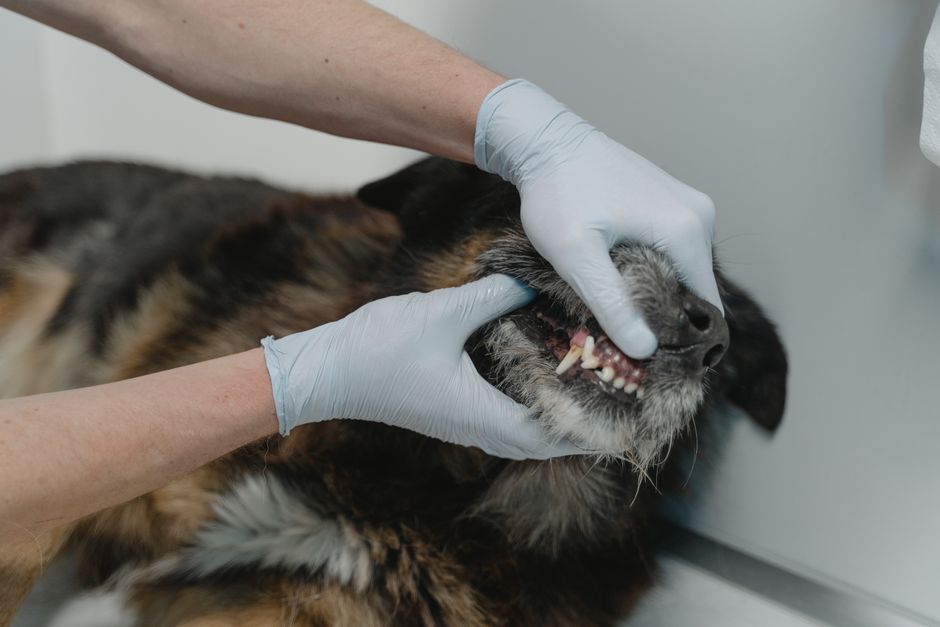
Healthy gums in a dog or cat should be pink — not pale, not white, not grayish — and moist to the touch. When you press a finger against the gum and release, the pink color should return within about two seconds. This is called the capillary refill time (CRT). A slow refill, combined with tacky or dry gums, is a stronger signal of dehydration than the skin test alone.
I’d argue this is the most underused check in a pet owner’s toolkit. It takes about six seconds. You can do it while watching TV. And it picks up on problems that the water bowl gives you zero information about. If your senior dog’s gums feel like dry rubber instead of a slightly moist surface, that’s not normal — and it’s not age. That’s dehydration.
3. Sunken Eyes and Lethargy: The Signs That Come Late
By the time you’re seeing visibly sunken eyes in a senior pet, dehydration has moved past mild territory. The eyes look dull, slightly recessed, and the tissue around them may appear dry. Lethargy — an animal that used to follow you from room to room now staying flat on the floor — often accompanies this stage.
The frustrating part is that pet owners sometimes attribute both of these signs to “just getting old.” That’s understandable. A 15-year-old cat sleeps a lot. A 12-year-old beagle moves slower. But there’s a difference between the slow pace of age and the stillness of a body that doesn’t have enough fluid to function properly. If something feels off — if your gut says “this is different” — trust that. You know your animal’s baseline better than any checklist does.
4. Urine Output and Color: What the Litter Box Is Telling You
Dark yellow urine, or significantly reduced urination, is a straightforward dehydration signal — but it’s easy to miss in a dog that goes outside or a cat with a self-cleaning litter box. If you have a senior cat, checking litter clumps every 24 hours tells you more about kidney and hydration status than almost anything else you can observe at home. Small, concentrated clumps are a flag. No clumps for 18+ hours is an emergency.
For dogs, a walk in the morning gives you one sample, but it doesn’t tell you about frequency throughout the day. If your senior dog seems reluctant to go outside, or produces very little when they do, add that data point to the others.
A Real Week: What Noticing Actually Looks Like
A friend of mine has a 16-year-old tabby named Margo. Last fall, she noticed Margo’s gums felt tacky on a Sunday morning — not dramatically dry, just not right. She did the skin test: borderline. Margo was still eating, still grooming, nothing alarming except these two subtle things.
She called her vet Monday. Bloodwork showed early kidney changes and mild dehydration. The vet switched Margo to a wet food diet with added water mixed in, and recommended subcutaneous fluids at home twice a week — a technique some vets teach owners of senior cats with chronic kidney disease. By Thursday, Margo was back to jumping onto the couch. Not a dramatic before-and-after. But catching it early meant the difference between a manageable condition and a crisis.
There was one day that week, Wednesday, where my friend panicked and thought she’d done the fluids wrong. She hadn’t. Margo was just grumpy about the needle. That’s how real care works — messy, uncertain, and still worth doing.
What Doesn’t Work (And Why People Keep Trying It Anyway)
1. Just switching to a water fountain and calling it done. Fountains are great for some cats. But if your senior animal has a diminished thirst drive, a prettier water source doesn’t fix the underlying physiology. You still have to monitor intake.
2. Measuring intake by how full the bowl is. Other pets drink from it. Water evaporates. The bowl level is almost meaningless as a measurement. If you want actual data, use a measuring cup when you fill it and note the level 24 hours later with only one animal in the house.
3. Waiting for visible signs before acting. By the time a senior pet looks obviously dehydrated — sunken eyes, extreme lethargy, dry gums — you’ve likely already missed the early window. The subtle signs come first. Train yourself to check for those.
4. Assuming the vet will catch it at the annual checkup. Annual exams matter enormously. But a once-a-year snapshot doesn’t give your vet information about what’s happening on a Tuesday in November. Daily observation at home is not a replacement for veterinary care — it’s the data that makes veterinary care more effective.
How to Actually Encourage Drinking in a Senior Pet
Since the thirst mechanism is less reliable, the goal is to get water into your pet’s body through multiple routes — not just the bowl.
- Wet food instead of or alongside dry kibble: Canned food is typically 70–80% moisture. For a senior cat or dog, this can meaningfully increase daily fluid intake without relying on drinking behavior at all.
- Adding water or low-sodium broth to meals: A tablespoon of warm water over dry food, or a small amount of plain, unseasoned chicken broth, can increase both palatability and fluid intake. Check with your vet first if your pet has a specific condition.
- Multiple water stations: Senior animals with arthritis may not walk across the house to drink. A bowl near where they sleep, and one near where they eat, removes a physical barrier.
- Slightly warm water: Some older pets, particularly cats, show a preference for water that isn’t ice cold. Room temperature or slightly warmed water sometimes increases intake.
When to Call the Vet, Not Just Monitor
If your senior pet shows any combination of the following, don’t wait for the next scheduled appointment:
- No water intake for 12+ hours in warm weather, or 24 hours in cool weather
- Dry, tacky gums with CRT over 2 seconds
- Sunken eyes combined with lethargy
- No urination for 18+ hours in a cat, or 24+ hours in a dog
- Vomiting or diarrhea alongside any hydration sign — fluid loss accelerates quickly
Senior pets don’t have the physiological cushion that younger animals do. What takes a day to become noticeable can take hours to become serious. Your instinct that something is off is worth a phone call to your vet. Every time.
Three Things You Can Do Before Tonight
Don’t try to overhaul your pet care routine in one afternoon. That’s not how lasting habits form. Instead, pick one small thing right now:
This evening: Check your senior pet’s gums. Press gently, release, count. Wet or dry? Pink or pale? You now have a baseline you didn’t have before.
Tomorrow morning: Use a measuring cup to fill the water bowl. Note the amount. Check it again 24 hours later. Evaporation accounts for a small amount — anything dramatically less means drinking happened. Anything roughly the same is a flag.
This week: If your senior pet eats dry food exclusively, ask your vet at the next visit — or call and ask before then — whether adding wet food or water to meals makes sense given their specific health status.
None of those things cost money. None of them require a special product. They just require paying attention in a slightly more structured way. And for a 13-year-old dog or a 16-year-old cat — the animal who has been next to you through every version of your life — that attention is the least complicated thing you can give them.

Publicar comentário