Pet Microbiome Testing: What Actually Changes Your Dog’s Health
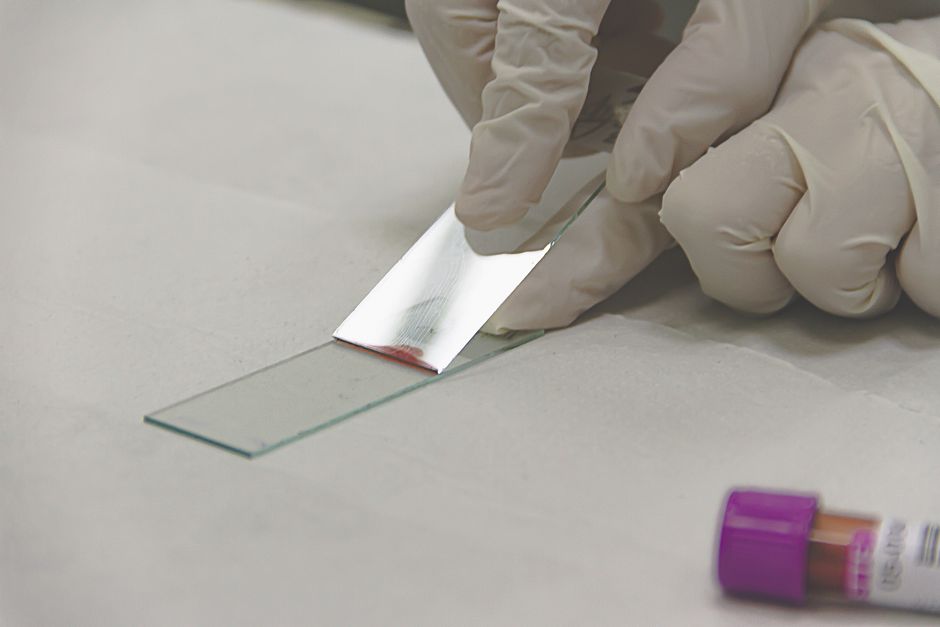
My neighbor’s golden retriever, Biscuit, had been on four different prescription diets in eighteen months. Loose stool, gas you could smell from the next room, and a coat that looked like he’d been living under a highway overpass. Her vet was frustrated. She was frustrated. Then someone at her dog park mentioned a gut microbiome test — the kind you do at home with a swab — and three months later Biscuit looked like a different dog. Not because the test was magic. Because it finally told them what to fix instead of just guessing.
Here’s the thing most pet owners get wrong about microbiome testing: they think it’s a fancy diagnostic for sick dogs. It isn’t — or at least, it shouldn’t only be. The real value is that it exposes the gap between what you think you’re feeding your dog and what their gut is actually doing with it. You can buy the most expensive grain-free kibble on the shelf, add a probiotic on top, and still be feeding the wrong bacterial profile for your specific dog. The test doesn’t tell you what to buy. It tells you what’s actually living in there, and what’s missing.
1. What a Pet Microbiome Test Actually Measures — and What It Doesn’t
A pet microbiome test analyzes the community of bacteria, fungi, and other microorganisms living in your dog’s (or cat’s) gut, using a fecal sample. Most kits sequence the DNA present in the stool to identify bacterial genera and their relative abundance. The result is a snapshot — not a diagnosis — of microbial diversity.
What it measures: bacterial diversity, the ratio of beneficial to potentially harmful bacteria, and markers correlated with inflammation or poor digestion. What it doesn’t measure: parasites (that’s a different test), organ function, or food allergies in the clinical sense. Some companies layer in additional biomarkers, but the core product is always that microbial map.
- Sample collection: You swab a small amount of fresh stool and mail it in. Most kits include a prepaid envelope.
- Turnaround: Usually 2–4 weeks for results.
- Report format: A breakdown by bacterial family, diversity score, and often a set of dietary or supplement recommendations.
One thing labs rarely emphasize in their marketing: a single test is a single data point. The gut microbiome shifts constantly — with season, stress, a course of antibiotics, even a long car ride. The owners who see the most benefit are the ones who test, intervene, and retest 60–90 days later to see if the needle actually moved.
2. The Science Behind It — Without the Hype
Research on the canine gut microbiome has expanded significantly over the past decade. Studies published in peer-reviewed veterinary journals have linked low microbial diversity in dogs to conditions including chronic enteropathy, obesity, and skin disorders. The gut-skin axis and the gut-brain axis aren’t just human phenomena — veterinary researchers have documented similar connections in companion animals.
That said, the science is still catching up to the commercial products. Many of the bacterial associations identified in human microbiome research don’t translate one-to-one to dogs. Dogs have a distinct microbial landscape — different dominant phyla, different fermentation patterns. Industry estimates suggest the pet microbiome testing market has grown sharply since 2022, driven partly by how much pet owners learned about their own gut health during the pandemic and then started applying the same curiosity to their animals. Sector reports peg the broader pet diagnostics market at several billion dollars annually in the U.S., with microbiome-specific testing representing a fast-growing niche.
The honest bottom line: the science is real, the clinical translation is still maturing, and the companies selling these tests vary widely in rigor. Approach it as a tool, not an oracle.
3. Who Actually Benefits — and Who’s Wasting $100
Not every dog needs a microbiome test. Here’s how I’d think about it:
Good candidates:
- Dogs with recurring digestive issues (loose stool, gas, inconsistent appetite) that don’t have a clear diagnosis after standard vet workup
- Dogs who’ve been on multiple rounds of antibiotics — antibiotics wipe out gut flora indiscriminately, and recovery isn’t always spontaneous
- Dogs with chronic skin or ear conditions where you’ve already ruled out external allergens
- Dogs transitioning from kibble to raw or fresh food, where you want a baseline before and after
Probably not worth it right now:
- Healthy dogs with no symptoms and a stable, high-quality diet — you’ll get a report, but you likely won’t have anything actionable to change
- Dogs mid-antibiotics or within 30 days of finishing a course — the results will be artificially skewed
- Dogs with acute illness — this isn’t an emergency diagnostic; it’s a long-game tool
4. A Real Before-and-After: Eight Weeks With a Rescue Dog
A friend of mine adopted a four-year-old beagle mix named Clarence from a county shelter in early 2025. Classic shelter dog gut: six weeks of inconsistent feeding, stress, at least one round of prophylactic antibiotics. He came home with mushy stool and a habit of eating grass constantly — the dog’s version of reaching for Tums.
She ran a microbiome test at week two post-adoption. The results showed extremely low diversity — fewer than a dozen dominant bacterial genera, compared to the 20–30 you’d hope to see — and near-zero Faecalibacterium, a genus associated with gut lining integrity. The lab recommended a specific prebiotic fiber (inulin-based), a multi-strain probiotic, and reducing the protein novelty in his diet temporarily.
Week one through three: no visible change. This is the part nobody posts about. She almost quit.
By week six, solid stool consistently. Week eight, she retested. Diversity had roughly doubled. The grass-eating stopped almost entirely. She didn’t switch his food brand — she added two supplements that cost around $28/month combined and gave his gut something to work with.
Was it the test that helped Clarence? Not directly. It was the interventions. But without the test, she would have kept guessing — and probably would’ve cycled through three different premium kibbles spending $80/bag each time.
5. What Doesn’t Work — And Why People Keep Doing It Anyway
This is the section where I’ll probably annoy a few people, but here goes:
Randomly adding probiotics without knowing what’s missing. A probiotic is not a multivitamin. You’re introducing specific bacterial strains, and if your dog’s gut already has too much of a particular genus, adding more isn’t helpful and can occasionally make things worse. I’ve seen owners spend $45/month on a popular probiotic chew that does genuinely nothing for their dog’s specific imbalance.
Switching proteins every 8 weeks “to keep things interesting.” Dietary novelty is stressful on the gut microbiome, not enriching. The bacteria in your dog’s gut specialize around consistent substrates. Constant rotation means they never stabilize. This is especially counterproductive for dogs with existing dysbiosis.
Treating the microbiome test report like a prescription. Most consumer-grade reports will give you a list of recommended supplements — and many of those recommendations come from the company’s own product line. That’s a conflict of interest worth noticing. Use the data, but run the specific recommendations by your vet before spending money.
Testing once and never following up. A single snapshot is almost useless without context. The owners who actually change their dog’s health trajectory are the ones who test, intervene with something specific, wait 60–90 days, and retest. The delta between Test 1 and Test 2 is where the real information lives.
6. How to Pick a Testing Company Without Getting Burned
The market has expanded fast, and not all kits are created equal. Here’s what to look for:
- Sequencing method: 16S rRNA sequencing is the standard. Some companies now offer shotgun metagenomic sequencing, which is more detailed but also more expensive. For most pet owners, 16S is sufficient.
- Reference database: Ask (or look on their FAQ) what database they use to identify bacterial taxa. Larger, more current databases produce more accurate results.
- Veterinary involvement: Does a veterinary nutritionist or microbiologist review the methodology? It doesn’t have to be your vet — but someone with credentials should be behind the science.
- Transparency about limitations: Good companies will tell you what the test can’t tell you. If a company claims their test diagnoses disease, that’s a red flag.
- Price range: Most kits run between $79 and $150. Anything dramatically cheaper probably uses a less robust panel. Anything much more expensive should justify the premium with clearly stated methodology.
7. Talking to Your Vet About This Without It Getting Weird
Some veterinarians are enthusiastic about microbiome data. Others think it’s consumer wellness theater. Both reactions exist for legitimate reasons. If your vet hasn’t worked with these tests before, the most productive framing isn’t “I found this online” — it’s “I got these results and I’d like your opinion on whether any of these interventions make sense given what you know about my dog.”
Bring the full report. Don’t just show up with a screenshot of the diversity score. Ask your vet specifically about any supplement recommendations the lab made. A good vet will engage with the data even if they’re skeptical of the source.
If your vet dismisses it entirely without looking at the report — that’s also information about whether that vet is the right long-term partner for you.
Your Next Three Steps This Week
Don’t overhaul everything at once. Here’s the smallest version of forward motion:
- This afternoon: Write down your dog’s three most persistent symptoms — even mild ones like intermittent gas or dull coat. If you can’t think of any, your dog probably doesn’t need a test right now.
- Before you buy a kit: Check when your dog last had antibiotics. If it was within the last 30 days, wait. The results won’t reflect their baseline gut state.
- Before spending on supplements: Run any recommendations from a test report past your vet. Bring the actual report. That 10-minute conversation can save you $300 in wrong probiotics.
Biscuit, by the way, is doing great. Still a golden retriever — still ridiculous — but his coat looks like a shampoo commercial now, and his owner stopped dreading morning walks. Sometimes that’s what a $99 swab kit buys you. Not a miracle. Just information you finally knew how to act on.


Publicar comentário