Why Your Vet Is Pushing Cat Dental Care (And What Actually Works)
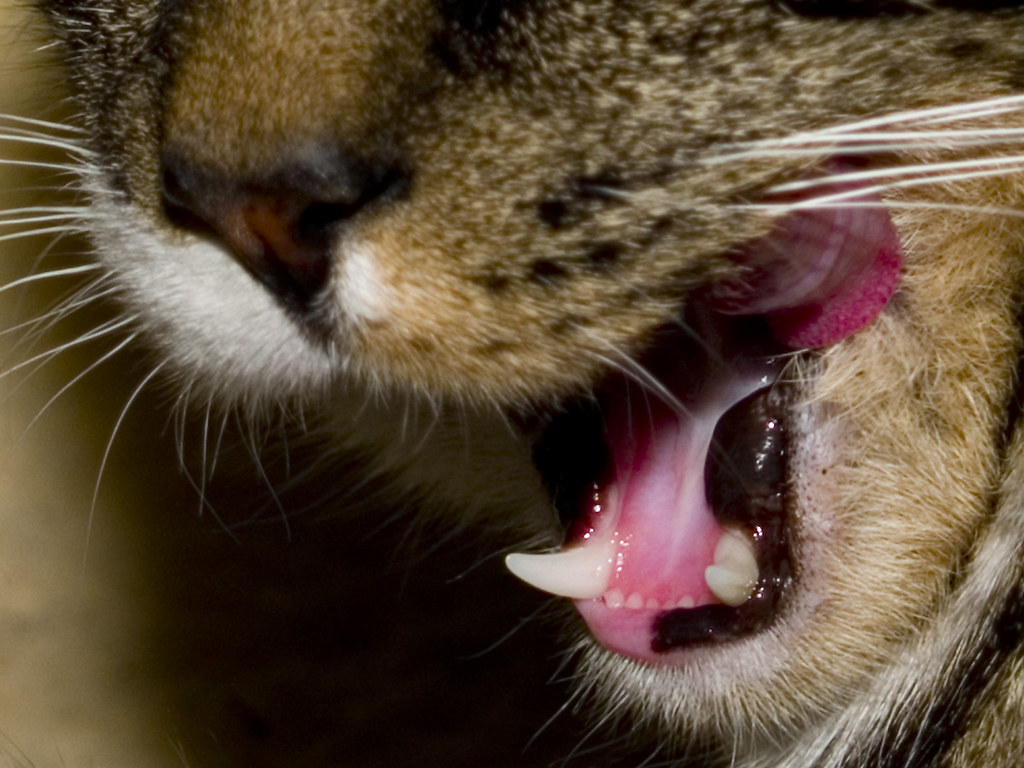
The vet bill was $847. My cat, Theo, had just come out of a routine cleaning that turned into the extraction of three teeth nobody knew were rotting. He was seven years old. I had no idea anything was wrong — he was eating fine, or so I thought. Turns out he’d just been quietly adjusting to the pain, the way cats do.
That appointment changed how I think about cat dental care entirely. And talking to other cat owners since then, I’ve noticed the same pattern: most of us wait until something breaks. We treat the mouth like an afterthought — a place the vet pokes around once a year before moving on to the vaccines.
The Real Problem Isn’t Neglect — It’s Invisibility
Here’s the thing nobody tells you upfront: dental disease in cats is almost always silent. Unlike dogs, who might paw at their mouths or refuse food dramatically, cats mask pain with eerie efficiency. By the time you notice bad breath or a dropped piece of kibble, the disease has usually been progressing for months — sometimes years.
This is why your vet keeps bringing it up. It’s not upselling. It’s triage. Periodontal disease is, according to veterinary dental specialists, one of the most common health conditions seen in cats over the age of three. Some industry estimates suggest that the majority of cats show signs of it by age four. The mouth is connected to everything — bacteria from infected gum tissue can travel to the kidneys, heart, and liver. Your vet isn’t being alarmist. They’re reading a slow-motion emergency that your cat is hiding from you.
What’s Actually Driving the Dental Care Push in 2026
There’s a legitimate trend happening in the pet care space right now, and it’s worth separating the genuine science from the marketing noise.
A few forces are colliding at once. Veterinary dental education has expanded significantly — more general practice vets now have access to digital dental X-ray equipment, which used to be limited to specialty clinics. When you can actually see what’s happening beneath the gumline, you find a lot more disease. That’s not vets finding new problems; it’s vets finally being able to see old ones.
At the same time, the pet product industry has responded with a wave of at-home dental products: enzymatic toothpastes, dental chews with Veterinary Oral Health Council (VOHA) seals, water additives, dental wipes, and now even probiotic formulas targeting oral bacteria. The VOHA — a real organization that evaluates and approves pet dental products based on clinical evidence — has become something of a gold standard that savvy pet owners now know to look for on the label.
Then there’s the cost factor. Professional cleanings under anesthesia typically run between $300 and $800 at a general practice vet, and can go significantly higher if extractions are involved. That price point has pushed a lot of owners toward asking: what can I actually do at home?
Brushing: The One Thing That Works Best (And Why Most People Quit)
Toothbrushing is the gold standard. Every veterinary dental resource will tell you this. Daily brushing — using a toothpaste formulated for cats, never human toothpaste — is the single most effective at-home intervention for preventing plaque buildup.
And most cat owners last about four days before giving up.
I get it. Theo did not cooperate at first. The first week involved a lot of dramatic head-turning, one small scratch on my wrist, and a significant erosion of trust. What actually worked — and this came from a vet tech, not from any packaging — was starting with just touching the outside of his lips. Not the teeth. Not the brush. Just a finger, briefly, with something that smelled appealing. Do that for a week. Then introduce the brush with no paste. Then add paste. The whole process took about three weeks before it became something he merely tolerated rather than fled from.
He’ll never love it. But he sits still for it now, three nights a week — not every night, because I’m a real person and not a dental hygiene robot. Three times a week still cuts plaque accumulation meaningfully compared to never.
The key detail here: use a soft-bristled brush or a finger brush, and focus only on the outer surfaces of the teeth. Cats rarely get tartar on the inner surfaces the way humans do. You don’t need to pry the mouth open. You just need access to the cheeks.
The Products That Actually Pull Their Weight
After brushing, here’s where the honest hierarchy sits:
- VOHA-approved dental chews: These work if your cat will actually eat them — which is a significant “if.” Some cats love them; others treat them like objects of suspicion. If your cat eats them consistently, they do reduce tartar. If your cat eats one and ignores the rest, you’ve spent $18 on something that’ll sit on your counter.
- Water additives: The evidence here is more modest. Some have VOHA approval for plaque reduction, but the effect size is smaller than chews or brushing. They’re easy — you just add them to the water bowl — but “easy” and “effective” aren’t always the same thing. I use one as a supplement, not a replacement.
- Dental diets: Prescription dental kibble — the kind your vet might carry — works by mechanically scrubbing the tooth surface as the cat bites through it. It’s not magic, but for cats who won’t accept brushing or chews, it’s a legitimate option. The kibble pieces are larger and have a specific fiber matrix designed for this purpose.
- Raw bones or dental treats without VOHA approval: Proceed carefully. Some raw feeding advocates swear by raw meaty bones for dental health, and there is anecdotal support for this, but the risks — fracturing teeth on hard bones, bacterial contamination — are real and not trivial. Talk to your vet before going this route.
A Real Week of Cat Dental Care (With the Failures Included)
Monday: brushed Theo’s teeth after dinner. He was cooperative. Added water additive to both bowls. Tuesday: forgot the water additive. Realized at 11 PM and didn’t bother going back downstairs. Wednesday: offered a dental chew. He sniffed it, knocked it off the counter, and walked away. Thursday: brushed teeth. He was restless, probably because there was a bird outside the window. Got maybe 40 seconds of actual brushing in instead of the usual 90. Friday: skipped brushing entirely — had people over, routine broke down. Saturday: back on track, full brushing session. Sunday: water additive, no brushing.
That’s a real week. Not a failure — three brushings and consistent water additive use is still meaningfully better than nothing. The point isn’t perfection. The point is reducing the bacterial load in the mouth over time, which reduces the rate at which tartar hardens and gum disease progresses.
What Doesn’t Work (And Why I’m Done Pretending Otherwise)
Let me be direct about a few approaches that get a lot of attention but consistently underdeliver:
- Dental sprays alone: Several products on the market claim to freshen breath and reduce bacteria with a quick spritz into the mouth. Some cats tolerate this better than a toothbrush. But “reducing bacteria” in a spray context is doing a lot of heavy lifting — it doesn’t address the mechanical removal of plaque that actually prevents tartar. Using a spray as your only intervention is like rinsing your mouth with mouthwash instead of brushing. It’s better than nothing, but not by much.
- Annual cleanings without any at-home maintenance: Cleanings under anesthesia matter, and you should do them. But if you do one cleaning every year or two and nothing else, you’re letting disease rebuild and then periodically bulldozing it. At-home care is what makes cleanings less frequent and less costly over time.
- Assuming dry food cleans teeth: This is one of the most persistent myths in cat ownership. Standard dry kibble does not meaningfully clean teeth. The pieces are too small and crumble too quickly. Regular kibble is not a dental intervention — only specifically designed dental diets with documented evidence qualify.
- Waiting for symptoms: If you’re waiting until your cat stops eating or starts drooling, you’ve already lost significant ground. By that point, extractions are almost certainly on the table. The entire value of dental care is upstream — before the visible problem.
The Anesthesia Conversation You Need to Have
One trend worth naming directly: anesthesia-free dental cleanings. These are offered by some grooming salons and mobile pet services, and they’re popular partly because they cost less and owners are understandably nervous about putting older cats under anesthesia.
The veterinary consensus on this is clear and worth repeating: anesthesia-free cleanings are cosmetic, not medical. They remove visible tartar from the tooth surface, but they don’t allow for subgingival cleaning (below the gumline, where disease actually lives), they don’t allow for dental X-rays, and they require restraining a conscious, stressed animal in a way that can cause injury and trauma. Every major veterinary dental organization has taken a position against them.
If anesthesia concerns you — and it’s a reasonable concern, especially for a senior cat — ask your vet about pre-anesthetic bloodwork and whether a low-dose protocol is appropriate for your animal. That’s a real conversation with real options. Choosing an anesthesia-free service to avoid that conversation isn’t a safer choice; it’s a different kind of risk.
Where the Trend Is Actually Heading
The most interesting development in cat dental care right now isn’t a product — it’s a mindset shift. More owners are starting to treat the mouth as part of the cat’s overall health picture rather than a separate, awkward task. That means asking about dental health at every wellness visit, not just when the vet brings it up. It means budgeting for a cleaning before the emergency forces one. It means knowing what a healthy cat mouth looks like — pink gums, no visible tartar buildup at the gumline, no persistent bad breath — so you notice early when something changes.
There’s also growing interest in at-home dental monitoring: using a small flashlight to check the back teeth once a month, photographing the mouth so you have a baseline for comparison. It sounds fussy, but it takes about 90 seconds and it’s how you catch the early warning signs that a cat will never show you on their own.
Start Here — This Week, Not Eventually
If you’ve read this far and you’re not doing anything for your cat’s teeth right now, here’s the smallest possible entry point:
- Tonight: Check your cat’s mouth with a flashlight. Lift the lip, look at the gumline on the back upper teeth. Red, inflamed gums or visible brown tartar buildup? Put a vet appointment on the calendar this week — not next month.
- This week: Buy a cat-specific enzymatic toothpaste. Don’t use it yet. Just put it near where you feed your cat so it becomes a familiar smell. If you want to start with a VOHA-approved dental chew instead, that’s a legitimate first step too.
- At your next vet visit: Ask specifically: “What do Theo’s teeth look like under X-ray?” If your vet doesn’t have dental X-ray capability, ask for a referral for a baseline dental assessment. You need to know what you’re working with before you can know what you’re preventing.
Three steps. None of them require a lifestyle overhaul. One of them might save you $800 — and your cat a lot of quiet, invisible pain.


Publicar comentário