Keep Your Dog Clean Without the Guilt: Eco-Friendly Pet Grooming Products That Actually Work
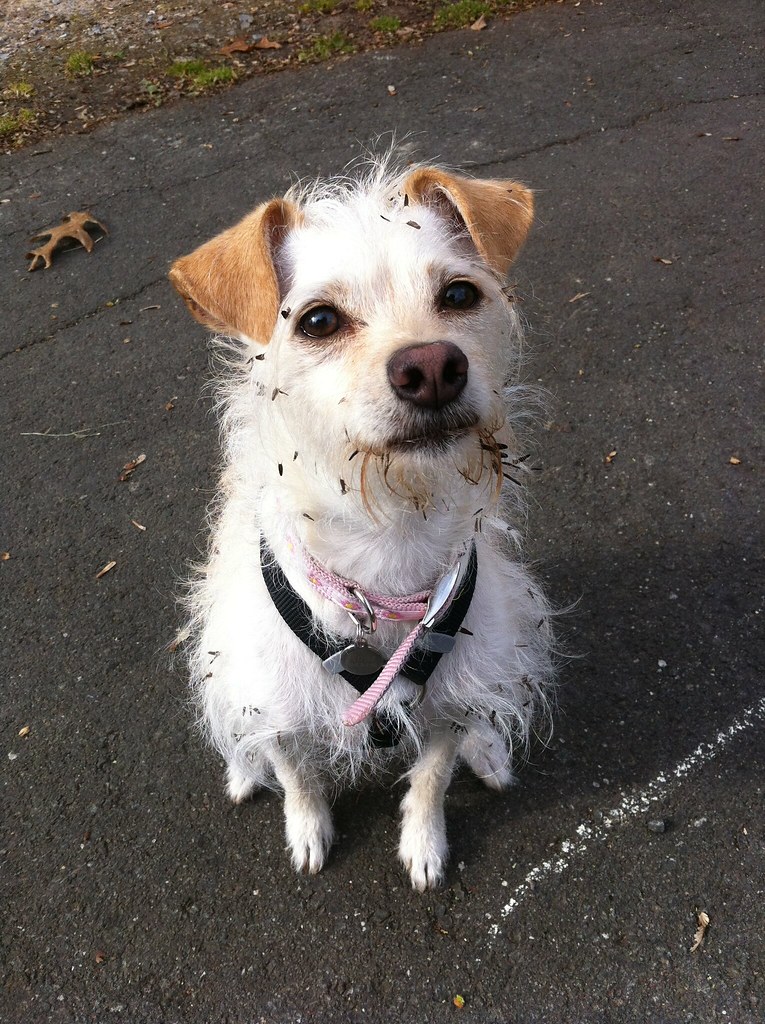
My golden retriever, Biscuit, has what I can only describe as a gift for rolling in things she shouldn’t. Dead leaves, mystery mud, the occasional something-I’d-rather-not-identify near the creek behind our house in North Carolina. So bath time happens a lot around here — probably every ten days or so. And for a long time, I just grabbed whatever shampoo was on sale at the big-box pet store without thinking twice about it.
Then one afternoon I flipped over the bottle and started reading the ingredient list. I didn’t recognize about two-thirds of what was on there. Synthetic fragrances, parabens, a couple of things that sounded like they belonged in a chemistry lab. And it hit me: I spend a real amount of mental energy choosing cleaner products for myself and my family, and then I’m lathering my dog — an animal who licks herself constantly — with stuff I’d never put on my own skin.
The Real Problem Isn’t the Plastic Bottle — It’s What’s Inside It
Most conversations about eco-friendly pet grooming get stuck on packaging. Recyclable bottles, biodegradable pouches, cardboard boxes. And yes, packaging matters. But if you swap a plastic bottle for a kraft paper box and the shampoo inside is still full of synthetic surfactants and artificial preservatives, you’ve solved maybe 15% of the problem.
The bigger issue is what goes down the drain. When you rinse your dog off in the backyard or in the bathtub, those chemicals don’t disappear. They move through the water system. Some are filtered out at treatment plants; many aren’t, especially in older municipal systems. Industry research on aquatic toxicology has repeatedly flagged certain surfactants and fragrance compounds as harmful to freshwater organisms even at low concentrations. The drain, not the recycling bin, is where the real environmental impact lives.
That reframe changes your shopping list entirely. You stop looking for the bottle with a leaf on it and start reading ingredient panels seriously.
What “Natural” Actually Means on a Pet Shampoo Label (Spoiler: Not Much)
The USDA’s organic certification covers food and agricultural products. When it shows up on a pet shampoo, it typically refers only to certain ingredients — not the formula as a whole. The word “natural” on a pet grooming product has no legal definition in the US. None. A company can put it on the front of a bottle with zero regulatory consequence.
So the label is the last place you should look for guidance. Instead, get comfortable with a short list of things to actually avoid:
- Parabens (methylparaben, propylparaben) — preservatives with endocrine-disrupting potential
- Synthetic fragrances — a catch-all term that can hide dozens of unlisted chemicals
- Sodium lauryl sulfate (SLS) — a harsh surfactant that can irritate dog skin, especially on breeds with sensitive coats
- Artificial dyes — no functional purpose, purely cosmetic
- Formaldehyde-releasing preservatives — DMDM hydantoin is the one you’ll see most often
A formula with none of those isn’t automatically perfect, but it’s a much better starting point than anything marketed as “fresh” or “gentle” with a mountain stream on the label.
Three Product Categories Where Eco-Friendly Versions Actually Perform
1. Shampoo Bars and Concentrated Formulas
This is where I’ve had the most consistent results. Shampoo bars eliminate the plastic bottle problem entirely and — this is the part that surprised me — they often lather better than liquid formulas, drop for drop. The concentrated liquid options are similar: you dilute them yourself, usually around 10:1 or 16:1 with water, which means less packaging shipped more frequently.
The catch is that not every bar is created equal. Some are made with palm oil as the base, which has its own sustainability issues depending on sourcing. Look for bars that specify responsibly sourced or palm-free bases, or that use coconut oil or olive oil as the primary fat. Yes, that level of detail matters, and yes, it’s annoying that it does.
2. Dry Shampoos Made From Actual Food Ingredients
Between baths, a lot of pet owners reach for dry shampoo spray. Most commercial versions are aerosol-based with propellants and synthetic fragrance. The better alternative — and one I’ve been using for about eight months now — is a powder-based dry shampoo built on ingredients like arrowroot powder, baking soda, and oat flour. You can buy these from small-batch makers on independent marketplaces, or make a basic version yourself in about three minutes.
Biscuit has a thick double coat, and the powder version works just as well on her as the spray version did. I apply it, work it through with my fingers, let it sit for two minutes, then brush it out. The one thing it doesn’t do as well: it won’t mask a strong smell the way synthetic fragrance will. If your dog rolled in something genuinely foul, you need a real bath. The dry shampoo handles between-bath freshness, not damage control.
3. Grooming Wipes That Biodegrade
Standard pet wipes are usually made from polyester or polypropylene — basically plastic fibers. They don’t break down in landfill on any meaningful timeline. Biodegradable wipes made from plant-based fibers like bamboo or lyocell do break down, though “biodegradable” still requires the right conditions (industrial composting vs. your backyard pile vs. landfill makes a significant difference).
For paw cleaning after walks — which in my house happens 3 to 4 times a day in muddy months — a small reusable microfiber towel and a bowl of water does the job 90% of the time. I keep a stack of small cut-up old towels by the door. When they’re dirty, they go in the wash. Zero waste, zero cost after the initial cut. The wipes come out for situations where the towel approach isn’t practical.
A Real Week of Eco-Friendly Grooming (Including the Day It Didn’t Work)
In early April I tried running a full week using only products that passed the ingredient screen I described above. Shampoo bar for bath day, powder dry shampoo midweek, plant-fiber wipes for post-walk paws.
Monday through Wednesday: completely fine. The shampoo bar I’d been testing lathered well, rinsed clean, and Biscuit’s coat dried without that faint chemical smell I’d stopped noticing until it was gone.
Thursday: she found a mud patch. I reached for the dry shampoo powder. It was… not sufficient. The mud had dried into her fur around her haunches and the powder just redistributed it. I ended up giving her a partial rinse in the backyard with the hose and the shampoo bar, which worked, but it was 48°F and neither of us enjoyed it. The lesson: dry shampoo has a ceiling. Know where it is before you need it.
Saturday bath went fine. Total product cost for the week was roughly $2.40 when I averaged out the bar shampoo by use, which is actually less than what I was spending on the conventional liquid.
What Doesn’t Work (And Why People Keep Trying It Anyway)
I’ve spent time in enough pet owner forums and local dog groups to see the same failed approaches come up over and over. Here’s my honest take:
- Human “clean beauty” shampoo on dogs. The pH of human skin is around 5.5; dog skin runs closer to 7.0. Human shampoos — even the clean, plant-based ones — are formulated for human pH. Used regularly on dogs, they disrupt the skin barrier and can cause dryness and irritation. This is not theoretical. I did it for two months before I understood why Biscuit was scratching more than usual.
- DIY apple cider vinegar rinses as a primary cleaner. ACV has a place as a diluted final rinse for shine and minor odor control. It is not a shampoo. It doesn’t remove oils or debris effectively, and undiluted it can irritate eyes and skin. The internet has oversold this one badly.
- Buying whatever has the most green imagery on the label. The leaf, the mountain, the brown kraft paper — none of it is regulated. I’ve seen bottles with full “eco-friendly” branding that contained SLS, synthetic fragrance, and artificial dye. The aesthetic of sustainability is not the same as sustainability.
- Assuming “fragrance-free” means the same as “unscented.” “Unscented” products sometimes contain masking fragrances — chemicals added to neutralize other smells, which still show up in the formula. “Fragrance-free” means no fragrance compounds were added at all. These are different claims. Read carefully.
The Cost Question, Answered Honestly
I’m not going to pretend that every cleaner option is cheaper upfront. Some concentrated formulas cost more per bottle than conventional products. But the math usually changes when you factor in dilution ratios and uses per container. A 16-ounce bottle of concentrated shampoo at a 16:1 dilution gives you the equivalent of 17 standard-sized bottles of ready-to-use product.
Industry data on the US pet care market — which crossed $150 billion in annual spending in recent years — consistently shows that pet owners are willing to pay a premium for products they perceive as safer. The market has responded, and competition is bringing prices down. What cost significantly more than conventional products three years ago is now often within $2 to $4 of comparable conventional options.
The honest caveat: if you’re on a tight budget, the concentrated shampoo and the DIY powder dry shampoo are your best bets. The bar shampoos from smaller specialty makers can run $14 to $18 per bar, which sounds expensive until you realize one bar typically lasts 20 to 30 washes for a medium-sized dog.
Start Here This Week — Three Things Small Enough to Actually Do
Don’t try to overhaul everything at once. That’s how people end up doing nothing. Instead:
Tonight: Flip over your current pet shampoo and look for the five ingredients I listed above. Just look. You don’t have to throw it out yet — finish what you have. But knowing what’s in it changes how you shop next time.
This week: Make a batch of dry shampoo powder. Combine two tablespoons of arrowroot powder with one tablespoon of baking soda. That’s it. Try it on your dog between baths and see if it handles your specific situation. It costs almost nothing and takes three minutes.
Next purchase: When you run out of your current shampoo, buy a concentrated formula or a shampoo bar from a brand that publishes its full ingredient list publicly — not just the marketing claims. If a company makes it hard to find the ingredient panel, that’s information too.
Biscuit is going to find another mud patch. That’s not a problem I can solve. But what goes down the drain after I clean her up — that part I can actually control.


Publicar comentário