Keep Your Dog Clean Without the Water: Quick Dry Bath Alternatives
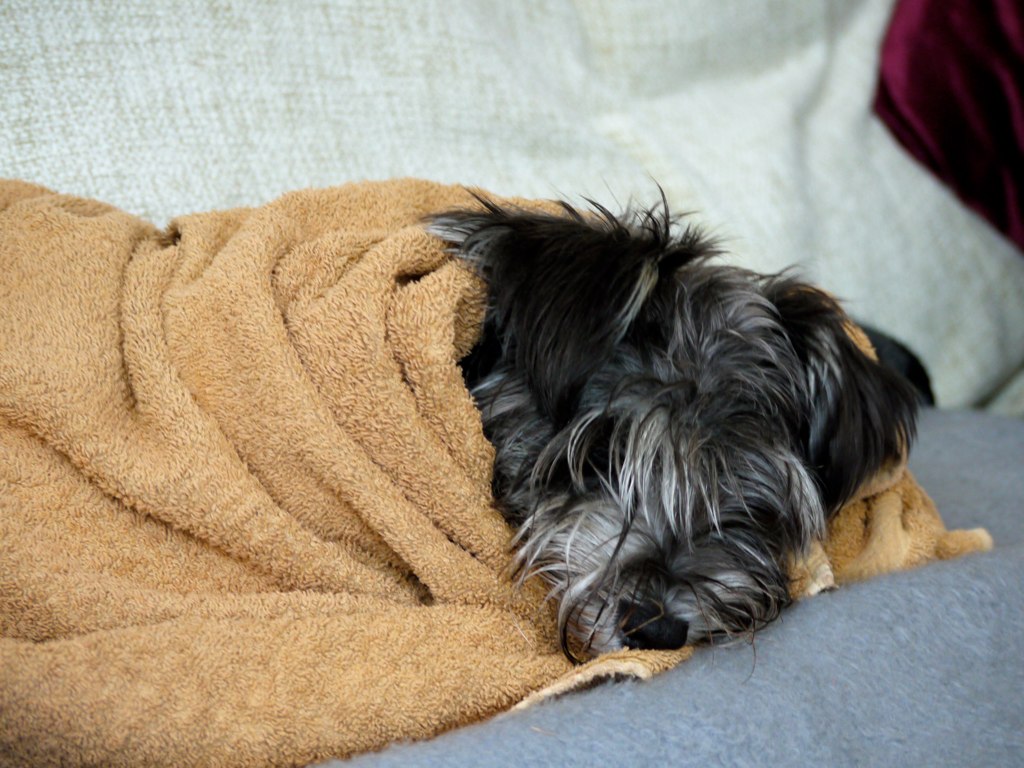
It was a Tuesday night, around 9:15 p.m., when my border collie mix — all 45 pounds of him — came barreling through the back door smelling like he’d found the one patch of mud in a three-mile radius and decided to roll in it for twenty minutes. Bath time was not happening. My kids were already in bed, the water heater takes forever, and I had a work call at 7:00 a.m. I grabbed a dry shampoo spray I’d been skeptical about, worked it through his coat for about four minutes, and — honestly? He smelled fine the next morning. Not “dog spa” fine, but fine enough to sit on the couch again.
Here’s the thing most dog care content gets wrong: the goal of a bath isn’t really about water. It’s about breaking down oils, lifting debris, and neutralizing odor. Water is just the most obvious tool for that job — not the only one. Once I reframed it that way, a whole category of in-between solutions started making sense. Not replacements for a real bath, but legitimate options for the 80% of situations that don’t actually require one.
Why “Between Baths” Is Where Most Dog Owners Actually Live
Most veterinary guidance suggests bathing dogs somewhere between once a week and once a month, depending on breed, coat type, and lifestyle. That’s a wide window — and it’s real life. Short-haired dogs who stay mostly indoors might go three weeks between baths without any issue. Double-coated breeds like huskies or golden retrievers? Their coats have natural oils that over-bathing actually strips away.
Industry data from the pet care sector shows that dog grooming is a multi-billion dollar category in the U.S., with a significant portion of spending going toward at-home products — dry shampoos, deodorizing sprays, and grooming wipes have all seen consistent growth over the past several years. That tracks with what I see at the pet store: the “between bath” aisle has doubled in size in the last couple of years.
The point isn’t that waterless products are superior. It’s that most dogs only need a full soak-and-rinse a fraction of the time they need some kind of refresh. That’s the gap worth filling.
Dry Dog Shampoo: What It Actually Does (and Doesn’t Do)
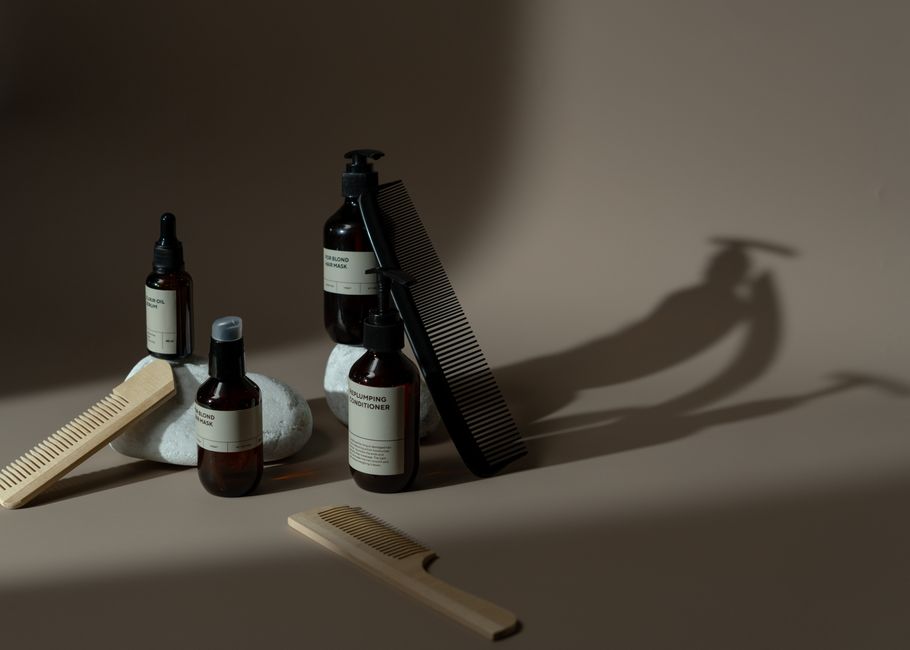
Dry shampoo for dogs works on roughly the same principle as the stuff people use on their own hair — it contains absorbent powders or starches that bind to excess oils and odor molecules, and you brush or rub them out. Most formulas also include some kind of deodorizing agent, either baking soda, botanical extracts, or both.
Application matters more than most people realize. You can’t just spritz it on the top of the coat and call it a day. Work it down toward the skin, especially around the neck, behind the ears, and at the base of the tail — those are the spots where oils concentrate fastest. Let it sit for about two minutes, then brush thoroughly. If you skip the brushing, you’ll end up with a dog who smells like a powdery version of whatever they smelled like before.
One real limitation: dry shampoo doesn’t remove visible dirt. If your dog has actual grime caked into their paws or chest, a dry shampoo will do almost nothing for that. It’s a deodorizing and oil-control tool, not a cleaning tool. That distinction matters.
Grooming Wipes: The Most Underrated Item in the Drawer
I keep a container of unscented dog grooming wipes on the shelf right next to the back door — not in the bathroom, not in a cabinet. Right there, accessible in three seconds. That placement alone changed how often I actually used them.
Dog grooming wipes are thicker than baby wipes, and the good ones are pH-balanced for canine skin. They’re especially effective on paws, underbelly, face folds (if your dog has them), and the backside after outdoor bathroom breaks. A quick paw wipe after every walk keeps the floor cleaner and reduces the amount of pollen and debris your dog tracks in — something allergy sufferers in the house will notice immediately.
For dogs with skin sensitivities, fragrance-free is the way to go. Some dogs react to botanical additives that otherwise seem harmless, so if you’re noticing any redness or scratching after introducing wipes, that’s the first thing to eliminate.
Deodorizing Sprays: The Fine Print Nobody Reads
Deodorizing sprays are the category with the most variability. Some of them actually work by neutralizing odor compounds. Others are essentially just cologne for dogs — they layer a scent on top of the existing smell, and the result is something like “wet dog meets lavender,” which is arguably worse than just wet dog.
Look at the ingredient list. If the first active component is a fragrance and there’s no mention of odor-neutralizing chemistry, it’s masking, not cleaning. Enzyme-based formulas — the ones that actually break down odor-causing molecules — are more effective, especially for dogs who’ve been rolling in something biological. Yes, that’s a euphemism. You know what I mean.
Spray distance matters too. Hold the bottle about six to eight inches from the coat, work section by section, and let it air dry rather than rubbing it in. Rubbing tends to push the product into the coat unevenly and can leave residue that feels waxy.
The Warm Towel Wipe-Down: Low Tech, Surprisingly Effective
This one requires no product at all. A damp, warm towel — not soaking wet, just warm and moist — wiped firmly over the coat in the direction of hair growth picks up a lot of surface debris and light odor. It’s the method I default to after rainy walks when my dog is damp but not dirty, or after he’s been in a grassy area and I can see the pollen on his coat.
The warmth is actually doing work here: it opens the hair cuticle slightly and helps lift oils to the surface so the towel can absorb them. A cold, dry towel does about half as much. It takes maybe five minutes. No product, no mess, no drying time afterward.
If you want to step it up, add a small amount of diluted dog-safe conditioner to the damp towel before wiping. It leaves the coat with a bit of softness and a light, clean scent without any of the rinse-out process of an actual bath.
A Real Week: What This Actually Looks Like in Practice
Here’s a concrete example. Three weeks in January, my dog didn’t get a single full bath — not because I was being lazy, but because the conditions genuinely didn’t call for it. Here’s roughly what the maintenance looked like:
- Monday, Thursday: Grooming wipe on paws and belly after park visits
- Wednesday: Warm towel wipe-down after a drizzly walk
- Sunday: Dry shampoo applied and brushed out, about 10 minutes total
- One outlier Thursday: He found something dead in the yard. That required an actual bath, cold garage floor and all. Some situations don’t negotiate.
By the end of week three, he still smelled like a normal dog — not a freshly bathed one, but completely acceptable for sharing living space. Coat felt healthy. No skin irritation. That one outlier Thursday aside, the routine held up.
The thing that didn’t work: I tried skipping the brushing step after dry shampoo one morning because I was running late. The powder sat in his coat all day and by evening he smelled like a combination of old product and whatever he’d been doing. The brushing step is not optional.
What Doesn’t Work: Four Common Approaches That Fall Short
I have opinions here, and I’ll stand behind them.
1. Using human dry shampoo on dogs. This comes up constantly in online forums, and it’s a bad idea. Human formulas are designed for human scalp pH, which is more acidic than dog skin. Regular use can disrupt your dog’s skin barrier and cause dryness or irritation. The fact that it works once without visible harm doesn’t make it safe long-term.
2. Fragrance-heavy deodorizing sprays used daily. Dogs have a sense of smell that’s estimated to be tens of thousands of times more sensitive than ours. Applying heavy fragrance products every day isn’t a neutral act for them — it’s overwhelming. If your dog flinches or leaves the room when you bring out a heavily scented spray, they’re telling you something.
3. Cornstarch or baking soda DIY dry shampoo without a recipe. I’ve seen people dump straight baking soda on their dog’s coat and brush it out. The problem is concentration — baking soda in high amounts can cause skin irritation with repeated use. If you’re going the DIY route, use a tested recipe with a small baking soda ratio, not just straight powder from the box.
4. Thinking any of this replaces a real bath indefinitely. It doesn’t. Waterless options manage between-bath periods — they don’t eliminate the need for water entirely. A dog who goes months without a real bath will eventually have product buildup, oil accumulation, and coat issues that no spray or wipe can address. These tools extend the window. They don’t close it forever.
Three Small Things You Can Do This Week
No overhaul required. Just this:
First, move your grooming wipes to wherever your dog enters the house — not a cabinet, not a shelf in another room. Right by the door. That proximity is the difference between using them and not.
Second, try one warm towel wipe-down this week after a walk, before you reach for any product. Just to see what it picks up. You’ll probably be surprised.
Third, if you already have a dry shampoo that’s been sitting mostly unused, apply it this weekend and set a timer for two full minutes before you start brushing. That wait time — which feels unnecessary — is where most of the work actually happens.
That’s it. Three small moves, zero new purchases required, no special equipment. Your dog doesn’t need a spa day every time they smell like a dog. They just need someone paying attention between baths.

Publicar comentário