Waterless Shampoo for Cats: Skip the Bath Stress
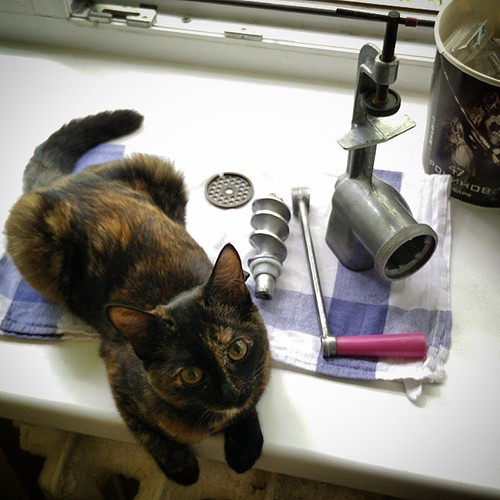
My cat, Biscuit, once left three parallel scratches down my forearm that took two weeks to fade — all because I tried to give him a traditional bath on a Tuesday afternoon. He was eleven pounds of absolute fury, the water was exactly 98°F, and I had done everything “right.” Didn’t matter. He hated every second of it, and honestly, so did I.
That experience made me realize something most cat owners get wrong: the problem isn’t the dirt — it’s the method. Cats don’t need the same bathing logic that dogs do. Their grooming instincts handle the bulk of the work. The real issue is the narrow window of situations where a cat genuinely does need external help — after a vet visit with antiseptic residue, a run-in with something sticky, or a senior cat who’s stopped self-grooming as efficiently as she used to. In those moments, dunking them in a tub isn’t just stressful; it’s counterproductive. A scared, thrashing cat isn’t getting clean. It’s just getting wet and angry.
That’s exactly where waterless shampoo comes in — and the market has moved fast enough in the last few years that it’s worth paying attention to what’s changed, what works, and what’s mostly just pretty packaging on a shelf at Petco.
Why the Waterless Category Is Growing Right Now
The pet care industry in the US has been expanding steadily for years. Industry tracking data consistently shows that the premium pet grooming segment — which includes waterless and dry grooming products — has grown faster than the overall pet care market. What’s driving it isn’t just convenience. It’s a shift in how American pet owners think about their animals. Cats especially are being treated more like family members with preferences and stress responses, not just animals that need occasional maintenance.
Waterless shampoos for cats aren’t new — spray-and-wipe formulas have existed in pet supply stores for at least a decade. What’s new is the sophistication. In 2025 and into 2026, the category has split into several distinct formats: foam formulas, mousse applicators, conditioning sprays, and dry powder options. Each one works differently on a cat’s coat, and they don’t perform equally across coat types or use cases. That distinction matters more than most product marketing admits.
The Four Formats — and Which One Actually Fits Your Cat
Walking through a pet store aisle or scrolling through an online retailer, the options look interchangeable. They’re not.
- Foam formulas: These are probably the most widely available right now. You dispense a small amount into your palm, work it through the coat, then wipe or brush out. They tend to work well on medium to long-haired cats because the foam distributes evenly without matting. The downside: some formulas leave a slight residue if you use too much, and cats with sensitive skin can react to the surfactants.
- Conditioning sprays: Light mist, low stress. These are my personal go-to for quick touch-ups — a spritz along the back, a light brush-through. They don’t clean as deeply as foam, but for a cat who just needs freshening up after a vet visit or a dusty afternoon near a window screen, they’re perfect. A 16 oz bottle can last several months with regular use.
- Mousse applicators: Similar to foam but with a richer texture. These tend to be marketed toward cats with denser undercoats — think Maine Coons or Ragdolls. They do a better job lifting debris from thick fur. Heavier application, heavier brushing needed afterward.
- Dry powder options: The most underrated format. Think dry shampoo logic — the powder absorbs oil and odor, you brush it through and out. Particularly useful for cats who react poorly even to spray sounds. You can apply it almost silently with your hands. Not ideal for long hair (it can settle unevenly), but for short-coated cats like American Shorthairs or Abyssinians, it works extremely well.
A Real Before-and-After: Three Weeks With a Senior Cat
My neighbor has a 14-year-old tortoiseshell named Margot. Arthritis has slowed Margot’s grooming routine — she still tries, but she can’t reach her lower back the way she could at six. Her coat had started to look dull and slightly clumped near the base of her tail. My neighbor was understandably reluctant to stress her with a full bath, especially given Margot’s age and how long recovery from stress can take in older cats.
We tried a conditioning spray first. Margot didn’t love the spray sound, so we switched approaches — I suggested decanting a small amount into a spray cap she could press manually with less hiss. That helped. After about four days of a gentle once-daily spritz and brush (about three minutes total), the clumping had loosened noticeably. By day ten, her coat looked genuinely better — not showroom-quality, but soft, less greasy, and clearly more comfortable for her.
Day 14 was a failure. My neighbor used too much product — nearly double what was needed — and Margot spent the rest of the afternoon trying to lick it off. Not dangerous, but not pleasant either. We scaled back to a pea-sized amount and the problem didn’t return.
That trial-and-error piece is real. Waterless shampoo isn’t a set-it-and-forget-it solution. You’ll probably use too much the first time. You’ll learn which brushing motion your cat tolerates (for Margot, short strokes from back to front near the tail were fine; top-to-bottom made her hunch up). It takes about a week to calibrate. That’s normal.
What Doesn’t Work (And Why I’ll Defend That Position)
There are several approaches that get repeated in the cat grooming space that, in my experience and observation, consistently fall short. Here’s where I’ll take a stance:
- Using baby wipes as a substitute: This comes up constantly in Facebook groups and Reddit threads about cat care. Baby wipes are not formulated for cats. The pH of a cat’s skin is different from a human infant’s, and many baby wipe formulas contain fragrances or preservatives that can cause irritation over repeated use. Some cats tolerate it short-term, but it’s not a grooming strategy — it’s a workaround that can create a skin problem you didn’t have before.
- Applying waterless shampoo near the face without a separate method: Most waterless shampoos — even those labeled “gentle” — should not go near a cat’s eyes, nose, or mouth. That’s not a technicality buried in fine print; it’s a real risk. I’ve seen owners mist a product toward a cat’s face because it seemed easier. The right method is using a separate, unscented damp cloth for the head area only, and keeping the waterless product strictly on the body.
- Using the product too frequently: Some owners, once they discover waterless shampoo works, start using it every two or three days like a dry shampoo routine. This strips natural oils from the coat over time and can cause flakiness or a dull appearance — exactly the problem you were trying to fix. For most cats, once every one to two weeks is sufficient, with spot-treatment as needed.
- Assuming one formula works for all cats: This is probably the most common mistake. A mousse designed for thick-coated breeds used on a short-haired cat will leave residue. A lightweight spray used on a dense double coat won’t penetrate far enough to do anything useful. Coat type matters, and the product choice should follow from it — not from whatever had the best packaging or the most reviews on Amazon.
Ingredients Worth Paying Attention To
You don’t need a chemistry degree to shop for this product, but a few things are worth knowing. Aloe vera appears frequently in waterless cat shampoos and is generally well-tolerated — it has mild soothing properties and doesn’t seem to cause issues when cats incidentally ingest small amounts during self-grooming. Oatmeal-based formulas are often recommended for cats with dry or sensitive skin, and there’s a reasonable amount of veterinary support for oat-derived compounds as skin soothers.
What to watch for: artificial fragrances listed generically as “fragrance” or “parfum.” Cats have a significantly more acute sense of smell than humans — roughly 14 times more sensitive by most estimates — and a product that smells pleasant to you can be genuinely overwhelming and aversive to them. If your cat walks away from you immediately after application or starts over-grooming, fragrance load is often the culprit. Look for formulas that list specific natural scent sources (like chamomile or lavender at low concentration) rather than ambiguous “fragrance” catch-all terms.
Also: avoid any waterless shampoo that contains tea tree oil (melaleuca) in concentrations above trace levels. Tea tree oil has documented toxicity concerns in cats, even at concentrations that would be fine for dogs or humans. It still appears in some pet products, which is frustrating. Read the label.
The Brushing Step Most People Skip
Waterless shampoo does not work without brushing. This is the step that actually matters — the shampoo loosens debris and distributes through the coat, but the brush is what removes it. Applying the product and then just patting your cat on the head doesn’t accomplish much beyond making your cat smell like whatever the formula smells like.
For short-haired cats, a rubber grooming mitt or a fine-toothed comb works well. For longer coats, a slicker brush followed by a wide-toothed comb gets deeper without pulling. The brushing doesn’t need to be aggressive or lengthy — two to three minutes of deliberate strokes is usually enough after foam or mousse application. The goal is to lift product and debris out of the coat, not to re-style it.
If your cat is brush-averse (Biscuit definitely was, before I switched to a rubber mitt), start with the least sensitive areas — the back, between the shoulder blades — and work up to the sides and belly over several sessions. You’re building tolerance, not just grooming. That process takes weeks, not days, and that’s fine.
Three Small Things to Do This Week
You don’t need to overhaul your cat’s entire grooming routine to get started. Here’s what’s actually actionable right now:
1. Check your cat’s coat type before buying anything. Run your hand against the grain of the fur. Short and flat? Long with a visible undercoat? Dense and plush? That answer should drive your format choice — spray for short coats, mousse or foam for dense or long coats, powder if your cat is highly sound-sensitive.
2. Read the ingredient list before you add anything to your cart. Specifically look for “fragrance” as a standalone term and check for tea tree oil. Takes about 45 seconds. Worth it every time.
3. Do one three-minute brushing session this week — no product, just brush. Get your cat used to the motion and the tool before you add the variable of a new product. If the brushing goes well, introduce the waterless shampoo next session. If it doesn’t go well, you’ve learned something important about the baseline before you complicated it.
That’s it. No bath. No soaking wet cat launching itself off the counter. Just a small, low-stakes shift in how you approach something your cat actually needs — without turning it into a whole ordeal.

Publicar comentário