Keep Your Dog Clean Without the Bath: Waterless Shampoo Works
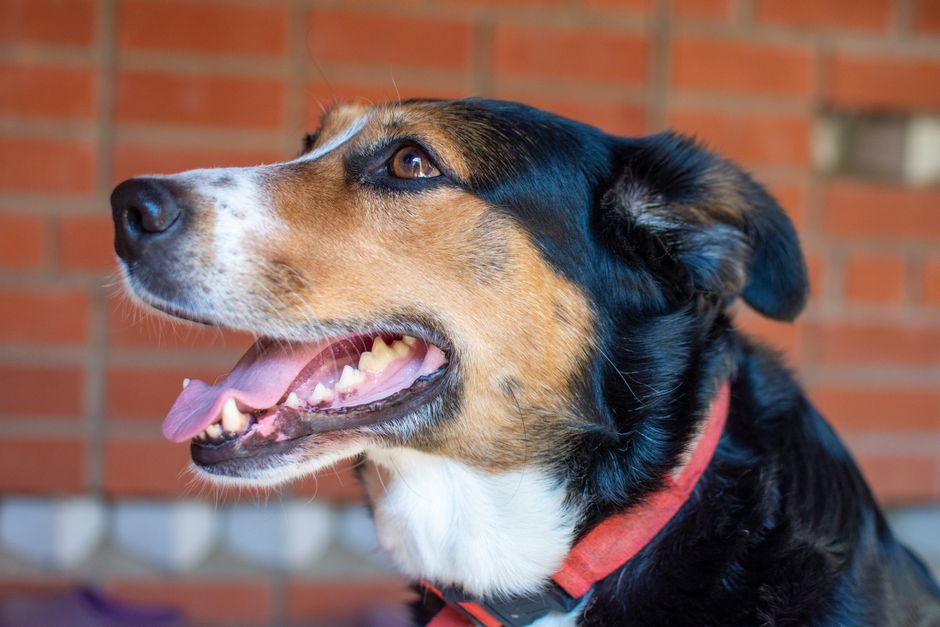
It was a Tuesday night around 9:15 PM when my dog, a 60-pound golden mix named Biscuit, came back from the backyard smelling like something had definitely died out there. Not a little. A lot. And I had a 7 AM meeting the next morning, no time for a full bath production, and absolutely zero desire to turn my bathroom into a wet disaster zone at that hour.
I grabbed the bottle of waterless shampoo I’d bought a few months earlier and mostly forgotten about. Sprayed it on, worked it through his coat, toweled it off. Fifteen minutes later, Biscuit didn’t smell like a crime scene anymore. I thought, okay — why haven’t I been doing this the whole time?
Here’s the thing most dog owners don’t realize: the problem isn’t that bathing dogs is hard. It’s that we’ve been treating bath time as the only option for keeping dogs clean between grooming appointments. That mental framework is what keeps you wrestling a wet, panicked 60-pound dog into a tub at 9 PM when there’s a completely reasonable alternative sitting on a shelf at your local pet store.
1. What Waterless Shampoo Actually Does (And Doesn’t Do)
Waterless shampoo — also called dry shampoo for dogs — isn’t magic. Let’s be honest about that upfront. It won’t replace a full bath after your dog rolls in mud for ten solid minutes. But for the 80% of situations that are just everyday odor, light dirt, or that vague “dog smell” that builds up between washes? It handles it well.
Most formulas work by using a combination of absorbent agents — things like cornstarch or oat-based compounds — alongside mild cleansing surfactants and fragrance to lift oils and surface grime from the coat without needing water to rinse anything out. You spray or foam it on, work it into the fur, and then brush or towel it off. The oils and dirt come with it.
Some products also include conditioning ingredients — aloe vera, vitamin E, or coconut-derived compounds — that leave the coat softer and reduce static. Especially useful during dry winters in places like Denver or Minneapolis, where dog coats get brittle and clingy.
What it doesn’t do: deep clean a heavily soiled coat, address skin infections or hotspots, or substitute for the kind of thorough cleaning that removes embedded allergens and dander. If your dog has a skin condition, you still need the vet-recommended full bath routine. No waterless product changes that.
2. The Market Caught On — And Got Complicated Fast
Industry tracking data from pet care market analysts has consistently shown the pet grooming segment growing faster than most corners of the broader pet industry, and dry/waterless grooming products have been one of the fastest-moving subcategories since the early 2020s. By the mid-2020s, the options on store shelves had multiplied well past the point of easy decision-making.
Walk into a PetSmart or a local independent pet boutique today and you’ll find somewhere between eight and fifteen waterless shampoo products on the shelf — sprays, foams, powders, wipes. Prices range from around $7 for a basic spray to $28 or more for boutique formulas with organic certifications and essential oil blends.
The ingredient list is where you want to slow down. Skip anything with artificial dyes, alcohol high on the ingredient list, or fragrance listed without any specifics. “Fragrance” as a single ingredient can hide a dozen different compounds, some of which irritate sensitive skin. Dogs with allergies — and plenty of American dogs have them, particularly Labs and Bulldogs — can react badly to those mystery blends.
3. How to Actually Use It Without Making a Mess
The instructions on most bottles are a little vague. “Apply, massage, wipe away.” That’s fine if your dog is a statue, which mine is not.
Here’s what actually works:
- Section the coat. Don’t just spray the whole dog at once. Work in sections — back, sides, chest, underbelly — so you can actually work the product into the fur and not just coat the top layer.
- Use your fingers, not just the spray. Get your hands in there and massage it down toward the skin, especially on thicker-coated breeds. Spraying the surface of a Husky’s outer coat and calling it done accomplishes almost nothing.
- Give it 60 to 90 seconds to work. Most people wipe immediately. Let it sit for a minute. The absorbent agents need time to pull the oils up before you remove them.
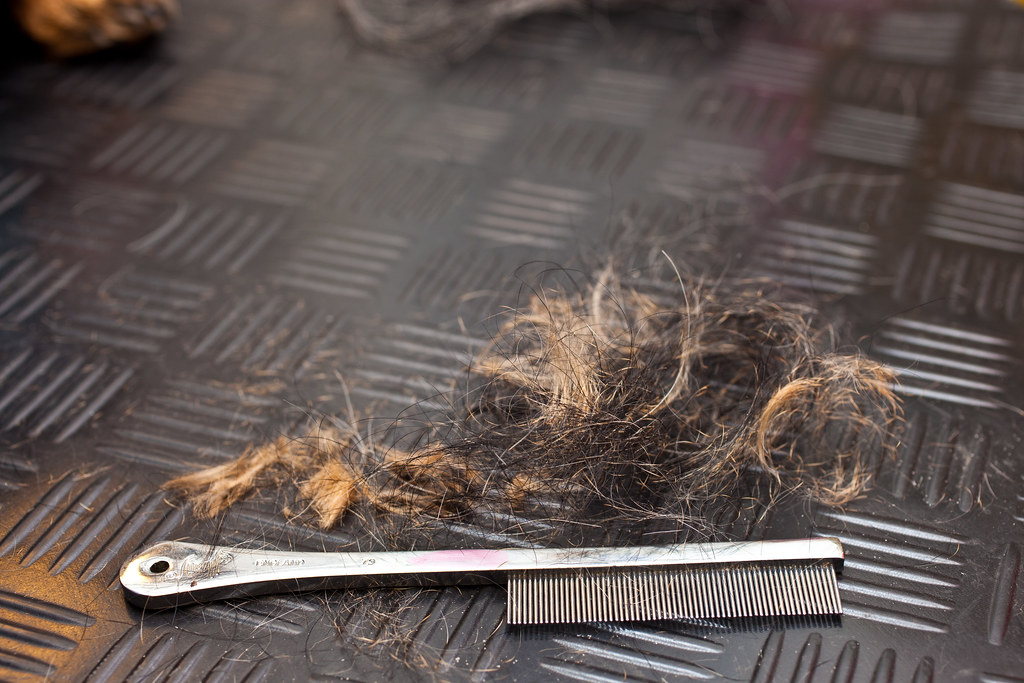
- Follow with a brush. This is the step that makes the biggest difference. A quick brush-out after toweling removes the product residue along with the lifted dirt. Without it, you risk product buildup over time, which can ironically make the coat look duller.
- Don’t forget the face. Use a damp cloth or a pet-safe grooming wipe for the face — waterless sprays near the eyes and nose aren’t a great idea for obvious reasons.
4. A Real Week in the Rotation
For about six weeks last fall, I tracked how often I was using full baths versus waterless shampoo with Biscuit. Here’s what an average week looked like:
Monday: Quick waterless spray after a walk through wet leaves. Two minutes, brush out, done.
Wednesday: Nothing. He smelled fine.
Friday: He found something in the yard. Full bath. Took 40 minutes including the blow-dry because he hates the towel and runs from it every single time.
Sunday: Waterless spray before we went to my sister’s house, because she has a white couch and opinions about it.
Full baths happened maybe once every 10 to 14 days during that period, down from the once-a-week pace I’d been keeping before. His coat actually looked better — less dried out, less frizzy at the ends. Whether that’s from fewer harsh baths or just coincidence, I can’t say for certain. But the groomer commented on it unprompted, which felt like meaningful data.
The week it didn’t work: he got into something oily near the back fence — no idea what — and the waterless shampoo just moved the grease around. I ended up doing a full bath anyway. Lesson: if it’s oily or sticky, skip straight to the tub. Don’t waste 15 minutes finding out the hard way.
5. What Doesn’t Work — And Why People Keep Trying It Anyway
Some common approaches in this space are genuinely not worth your time.
Dry shampoo powder without brushing it out. A lot of people dust the powder on and call it done. The powder sits in the coat, absorbs nothing efficiently because it’s just sitting on the surface, and eventually builds up into a chalky residue that makes the dog look vaguely gray. You have to brush it out. That’s not optional — it’s how the product actually works.
Baby wipes as a substitute. I’ve seen this recommended constantly online. Baby wipes are formulated for human infant skin, which has a different pH than dog skin. Using them regularly can disrupt your dog’s skin barrier and cause dryness or irritation over time. Buy the pet-specific grooming wipes. They’re usually $8 for a pack of 100 and they’re not the same product.
Spraying cologne or deodorizing spray directly on the coat. This doesn’t clean anything. It just covers the smell temporarily while the actual oils and bacteria causing the odor continue building up underneath. You end up with a dog that smells like lavender AND like a dog, which is somehow worse than just the dog smell.
Skipping the face entirely. Dogs get stinky around the muzzle — from food, from water bowls, from whatever they just had their nose in. Ignoring it because it’s hard to clean means the freshened-up body coat contrasts with a still-funky face. It’s noticeable. Use a grooming wipe around the muzzle and chin every few days.
6. Choosing a Product That’s Actually Worth Buying
Without endorsing specific brands — because formulas change and what worked last year might be reformulated this year — here’s how to evaluate what’s on the shelf:
- Look for a short ingredient list with recognizable components. Aloe, oat extract, coconut-derived cleansers — these are good signs.
- Avoid alcohol (ethanol or isopropyl) listed in the first five ingredients. It’s drying and can irritate skin with regular use.
- Check for NASC (National Animal Supplement Council) compliance on the label if you want a baseline quality indicator, though not all reputable manufacturers participate in that program.
- For dogs with sensitive skin or known allergies, fragrance-free formulas are worth the extra effort to find. They’re less common but they exist.
- Foam formulas tend to be easier to control on shorter-coated dogs. Sprays work better on longer coats where you need more coverage.
Start Here This Week
You don’t need to overhaul anything. Three small moves:
First: Next time your dog comes in from outside smelling questionable, reach for a grooming wipe instead of immediately resigning yourself to a full bath. Just try it. See if it’s actually enough for that situation.
Second: Pick up one waterless shampoo — foam or spray, your call — and keep it somewhere visible, not buried under the sink. If it’s accessible, you’ll actually use it.
Third: Add a two-minute brush session to the days you use the waterless shampoo. That’s the step that makes everything else work. Two minutes with a slicker brush is not a time commitment — it’s just a habit.
That’s it. Biscuit’s lying at my feet right now smelling completely acceptable, and the last full bath was six days ago. That’s the actual goal — not a perfect grooming routine, just one that doesn’t require you to drain the tub twice a week and chase a wet dog through your apartment afterward.


Publicar comentário