Why Your Cat’s Dental Care Matters More Than You Think
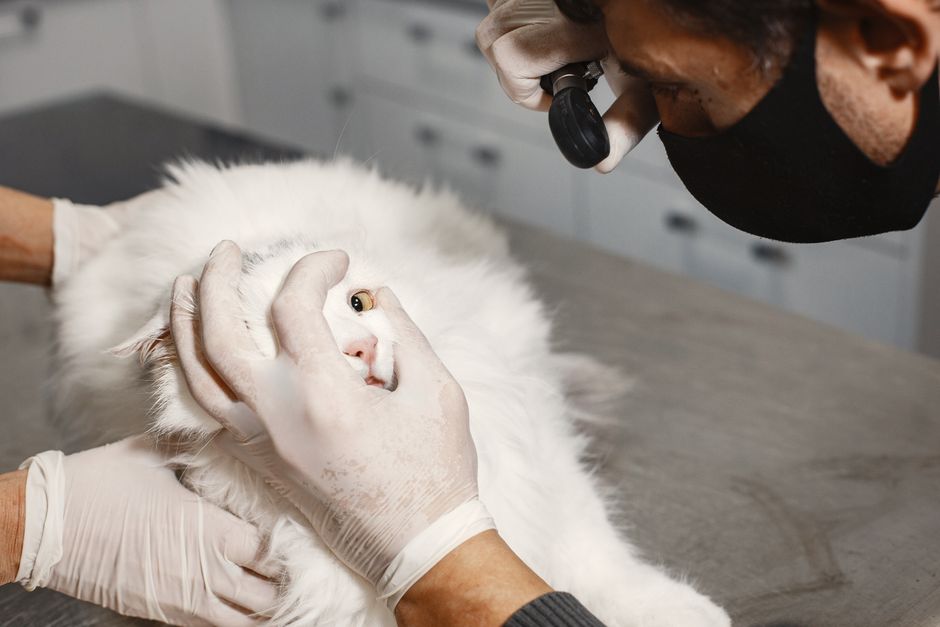
The vet tech placed a laminated chart on the exam table — a diagram of a cat’s mouth showing four stages of periodontal disease — and said something that stopped me cold: “Most cats over three years old already have Stage 2 or worse.” My cat, Miso, was four. I’d never once looked inside her mouth with any real intention. I’d assumed that, if something were wrong, she’d let me know. She hadn’t. She never does.
That visit cost $340, and she didn’t even need a full cleaning yet. But the warning was clear: come back in six months or we’re looking at extractions.
Here’s the thing most cat owners don’t realize — and this is the part that genuinely surprised me. The problem isn’t that cats hide dental pain. Every cat owner knows cats are stoic. The real problem is that we’ve been trained to think of dental disease as a mouth problem, when it’s actually a whole-body problem. Bacteria from inflamed gum tissue can enter the bloodstream and put stress on the kidneys, heart, and liver — organs that are already the usual culprits in feline aging. You’re not just preventing bad breath. You’re buying years.
1. The Numbers Are Worse Than the Industry Admits
Dental disease is consistently cited as the most common health condition diagnosed in cats during routine veterinary exams. Studies published in veterinary medicine journals — including research from university veterinary schools — have found that between 50% and 90% of cats over four years old show some degree of periodontal disease. That’s not a niche problem. That’s practically every adult cat you’ve ever met.
What’s more, a condition called feline tooth resorption — where the tooth structure literally breaks down from the inside — affects roughly one in three cats at some point in their lives. Many owners never know it’s happening because the visible signs are subtle: a slight change in how the cat chews, or a barely noticeable reluctance to eat kibble on one side. By the time there’s obvious drooling or pawing at the mouth, the damage is usually advanced.
The cost side is real too. A professional feline dental cleaning under anesthesia at most U.S. veterinary clinics runs anywhere from $300 to $700 for a straightforward case — more if extractions are involved, which can push the total past $1,200. Pet insurance can offset this, but most plans require enrollment before the condition is diagnosed to avoid the pre-existing exclusion.
2. What’s Actually Changed in Feline Dental Care (and What Hasn’t)
The biggest recent shift isn’t a single product — it’s a change in how vets approach the problem before it becomes a crisis. Preventive dental care used to be treated as optional, almost cosmetic. Now it’s framed as routine maintenance, the same way annual bloodwork is. That shift in framing matters because it changes when owners act.
On the technology side, a few things have genuinely moved the needle:
- Digital dental radiography is now standard at most specialty and well-equipped general practices. Without dental X-rays, a vet can only see about 40% of a tooth — the crown. The roots and surrounding bone, where disease often starts, are invisible to the naked eye. Many practices now refuse to perform cleanings without radiographs, which is the right call.
- Tooth resorption staging tools have become more refined, allowing vets to make better decisions about whether to extract or monitor a compromised tooth.
- Enzymatic toothpastes formulated specifically for cats — not dogs, not humans — have improved in palatability. This sounds minor until you’ve tried to brush a cat’s teeth with something that smells like spearmint. Poultry-flavored options with enzymatic action require less mechanical scrubbing and are more likely to actually stay in use.
- Water additives and dental gels have become more evidence-backed options for cats who will never accept a toothbrush. They’re not a replacement for brushing, but for a cat like Miso — who treats a toothbrush like a personal insult — they’re a realistic second option.
What hasn’t changed: anesthesia is still required for a real cleaning. “Anesthesia-free dental cleaning” services, offered at some pet grooming chains and pop-up pet expos, are not a substitute. They can’t safely access the subgingival space — the area beneath the gum line where disease lives — and they stress the cat out enormously for very little clinical benefit.
3. A Real Attempt at Home Care — With the Honest Results
After that $340 wake-up call, I committed to brushing Miso’s teeth three times a week. Here’s what actually happened over eight weeks:
Week 1–2: Total failure. She left the room every time I picked up the finger brush. I switched to a small child’s toothbrush with poultry-flavored enzymatic paste and spent a week just letting her lick the paste off my finger.
Week 3–4: I got the brush inside her mouth for about four seconds twice in one week. She bit me once — not aggressively, just a firm “we’re done” signal. I counted it as progress.
Week 5–6: We hit something close to a rhythm. Maybe 30 seconds of actual brushing on alternating days. She’d tolerate it if I did it right before her wet food, so she associated it with something good coming.
Week 7–8: I missed four days during a work trip. Came back and had to restart the habituation almost from scratch. This is the part no one tells you — consistency gaps with cats are punishing. You don’t get to pick up where you left off.
At the six-month follow-up, the vet said her gum inflammation had reduced slightly. Not dramatically. But the trajectory had changed from “we’ll definitely need a cleaning soon” to “let’s check again in six months.” That felt like a win worth the awkward struggle.
4. What Doesn’t Work — And Why People Keep Trying It Anyway
I have opinions here, and I’ll own them.
Dental treats alone are not a dental care plan. They’re better than nothing, and some carry the Veterinary Oral Health Council (VOHA) seal of approval, which is a real and meaningful standard. But chewing a treat takes about eight seconds. Biofilm builds up all day. Treats can help slow plaque accumulation at the margins, but they can’t reach subgingival pockets and they won’t reverse existing inflammation. If treats are your entire strategy, you’re managing optics, not disease.
Waiting for visible signs is always too late. I’ve heard from people who say “my cat would tell me if something hurt.” I said this too. Cats are wired to suppress pain signals — it’s a survival mechanism from their solitary hunting ancestry. By the time a cat is visibly struggling to eat, tooth resorption or advanced periodontitis has usually been progressing for months, sometimes years.
Skipping dental X-rays to save money during a cleaning is false economy. A cleaning without radiographs misses the most dangerous part of the problem. You’re paying for anesthesia and a polish, but leaving the actual disease undiagnosed. Ask your vet explicitly: “Does this estimate include dental radiographs?” If not, ask why, and whether adding them is possible.
Assuming dry kibble cleans teeth. This one has been circulating for decades. The mechanical action of crunching kibble does almost nothing for the gum line, which is where periodontal disease starts. There’s no clinical evidence that kibble-fed cats have meaningfully better dental health than cats on wet or raw diets. Diet choice should be driven by other factors — this isn’t one of them.
5. The Anesthesia Question — What Vets Actually Say Now
One of the most common reasons cat owners delay dental cleanings is fear of anesthesia, especially in older cats. It’s a reasonable concern, not an irrational one. But the way most vets frame it now has shifted: the risk of untreated dental disease to the kidneys and heart outweighs the anesthesia risk for most healthy cats, even seniors.
Pre-anesthetic bloodwork — a complete blood count and chemistry panel — is now standard protocol before any feline dental procedure at responsible practices. This catches kidney insufficiency, liver issues, or anemia that could complicate sedation. If your vet isn’t requiring pre-op bloodwork, that’s worth a conversation.
For cats with known organ compromise, many veterinary anesthesiologists have developed modified protocols — lower-dose agents, additional monitoring, IV fluid support — that significantly reduce risk. The answer isn’t “skip the cleaning.” It’s “clean it now before the organs get worse.”
6. Building a Realistic Long-Term Dental Routine
The ideal, according to veterinary dental specialists, is daily brushing with an enzymatic toothpaste approved for cats. The realistic version — the one that actually happens in most households — looks more like this:
- Brushing 3–4 times per week, paired consistently with something the cat wants (meal, play, treat)
- A water additive on days brushing doesn’t happen
- Annual professional exam with the vet checking the mouth specifically, not just in passing
- A professional cleaning under anesthesia with full radiographs every 1–3 years depending on the cat’s baseline and at-home care quality
Starting young matters enormously. Kittens who are handled around the mouth regularly — gums touched, lips lifted, mouth opened briefly — acclimate far more easily to brushing as adults. If you have a kitten right now, this is the single highest-return investment you can make in their long-term health.
For adult cats who’ve never had their mouth touched: start with your finger. No brush, no paste. Just a finger on the outside of the gum line while they’re relaxed. Do it for five days before introducing anything else. Rushing the introduction is why most people quit.
Your Next Three Days
Don’t overhaul everything at once. Here’s what to do this week:
Today: Open your cat’s mouth — gently, just for a few seconds — and look at the gum line. Is there redness where the gum meets the tooth? Any brown buildup on the back teeth? That’s your baseline. You need to know what you’re working with.
Tomorrow: Call your vet and ask when your cat last had a dental exam that included the vet actually probing and charting the teeth — not just a visual glance during the annual visit. If the answer is “we don’t do that routinely,” it may be time to find a practice that does.
This week: Pick up an enzymatic toothpaste formulated for cats. Don’t buy it and put it in a drawer. Open it. Let your cat smell it. That’s it for day one. The goal isn’t a full brushing session — it’s just starting the association.
Miso is five now. Her gums look better than they did a year ago. She still looks at me like the toothbrush is a personal offense. But she tolerates it, and her kidneys don’t have to work any harder than they already do. That’s the whole point.


Publicar comentário