Why Waterless Dog Shampoo Actually Works When Your Pup Hates Water
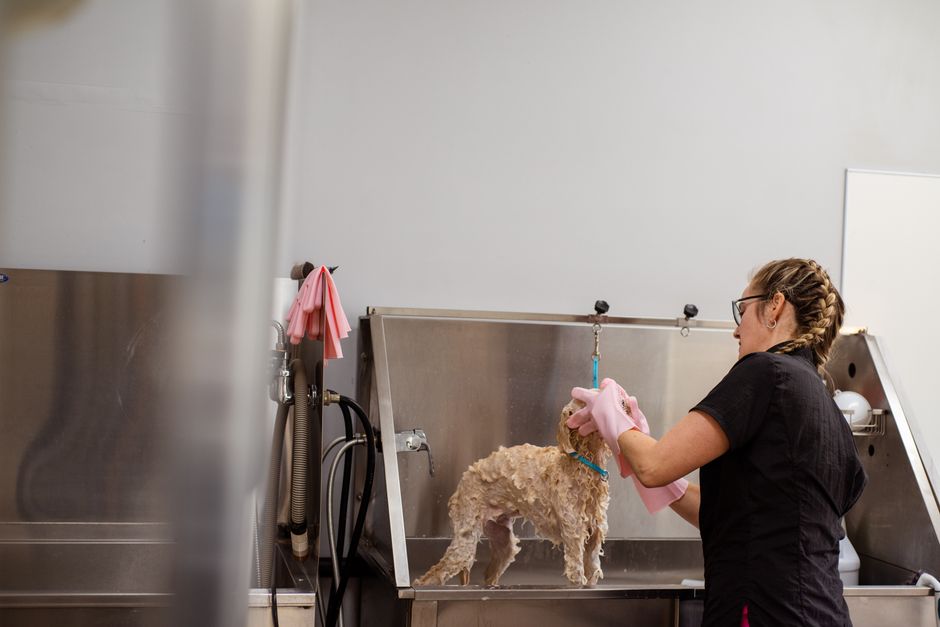
My dog Biscuit — a 45-pound mutt with the energy of a toddler who skipped naptime — used to turn bath day into a full-contact sport. I’d block off 45 minutes, dig out two towels, change into clothes I didn’t care about, and still end up soaked from the shoulders down. Halfway through, he’d bolt, trail shampoo suds across the kitchen floor, and I’d spend the next 20 minutes coaxing him out from under the bed. Every two weeks. Like clockwork. For three years, I just assumed that was the deal.
Then someone at my local dog park handed me a small spray bottle and said, “Just try it.” I was skeptical — the kind of skeptical you get after you’ve towel-dried a panicked dog for the hundredth time. But here’s what I figured out, and what most product descriptions don’t actually explain: the reason waterless shampoo works isn’t because it cleans like regular shampoo without the water. It works because it sidesteps the entire reason the bath was a problem in the first place. The issue was never really about getting clean. It was about the sensory overwhelm — the rush of running water, the confinement, the wet-coat chill. Take those triggers away, and you’ve got a completely different interaction.
1. What’s Actually Happening When Your Dog Panics in the Tub
Water-averse dogs aren’t being dramatic. Many respond to baths the same way they respond to thunderstorms — elevated heart rate, muscle tension, stress hormones that can take hours to come back down. The tub is a hard surface with no grip, the temperature is unpredictable, and the sound of running water is genuinely disorienting for a dog’s sensitive hearing. That’s not stubbornness. That’s a stress response.
Industry research from the pet care sector has consistently shown that stress during grooming is one of the top reasons dog owners delay or skip regular bathing — which ironically leads to worse coat and skin conditions over time. When a bath turns into a wrestling match, it also erodes trust between dog and owner in a way that compounds with every subsequent attempt. You end up in a cycle where the dog dreads it more each time, and you dread it right along with them.
Waterless shampoo interrupts that cycle at the root. No tub. No running water. No confinement. The dog stays on familiar ground — literally. You can do it on the couch, on the porch, in the backyard. Biscuit’s first waterless bath happened on a Sunday afternoon while he was half-asleep in a patch of sun. He barely lifted his head.
2. The Actual Chemistry Behind Why It Cleans Without Rinsing
Waterless dog shampoos — whether in foam, spray, or powder form — rely on surfactants and absorbents to lift dirt, oil, and odor from the coat without needing water to activate or rinse them. The surfactants work by surrounding grease and debris at a molecular level, and the absorbents (often ingredients like oat-based compounds or starches) pull moisture and oils away from the skin. You massage it in, let it sit for a minute or two, then towel or brush it out.
The key distinction from dry shampoo for humans: dog formulas are pH-balanced for canine skin, which sits at a slightly different range than human skin. Human dry shampoos — even the “gentle” ones — can throw off your dog’s skin barrier and cause irritation over repeated use. That’s not a minor caveat. A dog’s skin is actually thinner and more permeable than ours, which means what you put on it matters more, not less.
- Foam formulas tend to work best on medium to long coats — they distribute evenly and are easy to massage through thicker fur.
- Spray formulas are better for short-coated dogs or quick spot treatments — a spritz on the rear end after a park visit, for example.
- Powder formulas are great for heavy undercoats and dogs prone to oiliness, but they require more brushing out and aren’t ideal if your dog already hates being brushed.
3. A Real Week of Using Waterless Shampoo — Including the Day It Didn’t Work
I kept rough notes the first week I committed to waterless shampoo as Biscuit’s primary between-bath option. Here’s what actually happened:
Monday: Quick spray after a muddy morning walk. He was still wound up from the walk, so he kept trying to sniff the bottle. Took longer than it should have — maybe 8 minutes instead of 3. The mud spot on his flank came out fine. His paws, which were worse, needed a separate paw wipe anyway.
Wednesday: Foam application before we had guests over. He sat still the whole time. I genuinely couldn’t believe it. Coat looked noticeably fluffier and smelled clean without that heavy perfume-overload scent some shampoos have.
Friday: Skipped it. He wasn’t particularly dirty and he’d been having an anxious week — new construction noise nearby. Didn’t want to add any extra handling. That’s a judgment call you learn to make.
Sunday: Full waterless bath — foam head to tail, 5-minute wait, brushed out. Total time: about 12 minutes. No drama. He fell back asleep before I was done.
The honest caveat: if your dog has rolled in something truly foul — skunk, dead fish, a garbage bag that’s been sitting in August sun — waterless shampoo is not going to cut it. That’s a full tub situation, and no foam formula is going to change that reality. Waterless works best as a maintenance tool, not a crisis intervention.
4. What Doesn’t Work — And Why People Keep Trying It Anyway
I have opinions on this. Here are four common approaches that consistently fail, and the actual reason why:
Forcing the bath and hoping the dog “gets used to it.” This is the most common piece of bad advice. Repeated forced exposure to a high-stress trigger without any counter-conditioning doesn’t build tolerance — it builds a stronger fear response. The dog doesn’t learn that baths are safe. It learns that baths are unavoidable, which is different and worse.
Switching to a “calming” shampoo scent and expecting that to fix it. Lavender-scented dog shampoo in a tub is still a tub. The scent is secondary to the sensory context. If the water and confinement are the triggers, the aromatherapy isn’t doing meaningful work.
Using human dry shampoo as a stand-in. I’ve seen this recommended in casual pet owner groups online, and it makes me wince every time. The pH mismatch is real, and some human dry shampoos contain fragrances and alcohols that can irritate canine skin with regular use. It’s not worth the risk when there are actual dog-formulated alternatives.
Only using waterless shampoo in the tub “to ease the transition.” This defeats most of the purpose. If you’re already in the tub with the water running, you’ve already activated the stress triggers. The location and context matter as much as the product.
5. How Often You Actually Need a Full Water Bath (It’s Probably Less Than You Think)
Most veterinary guidance suggests that healthy dogs with normal skin don’t need a full bath more than once every four to six weeks — and some low-odor, short-coated breeds can go even longer. The idea that dogs need weekly baths is largely a product of marketing, not dermatology. Over-bathing with traditional shampoo strips the natural oils from a dog’s coat and can trigger dry skin and increased shedding.
Using a waterless formula between full baths — say, every 5 to 7 days — keeps the coat fresh, reduces allergen buildup (which matters if anyone in your home has pet allergies), and means the full bath, when it does happen, is dealing with less accumulated grime. It’s genuinely less work overall, not a workaround that creates more steps.
For dogs with skin conditions, allergies, or specific dermatological issues, talk to your vet before changing any grooming routine. Some conditions require medicated shampoos that need water to activate properly, and waterless products aren’t a substitute in those cases.
6. Choosing the Right Waterless Shampoo Without Getting Played by the Label
The pet care market is full of products with “natural,” “organic,” and “vet-approved” on the label that mean very little without context. Here’s what to actually look at:
- Check that it’s pH-balanced for dogs — this should be stated explicitly, not implied. A range of 6.5 to 7.5 is appropriate for canine skin.
- Avoid products with a heavy fragrance load — dogs have a sense of smell estimated to be tens of thousands of times more sensitive than ours. Strong artificial perfume isn’t a feature; for most dogs, it’s an irritant.
- Look for short, recognizable ingredient lists — not because “natural” is automatically better, but because shorter lists are easier to troubleshoot if your dog has a reaction.
- Match the format to your dog’s coat type — as covered above, foam for longer coats, spray for short, powder for dense undercoats.
- Do a patch test first — apply a small amount to one section of coat, wait 24 hours, check for redness or irritation before doing a full application.
Your Next Three Steps — All Small Enough to Do This Week
You don’t need a whole new grooming system. You need one small experiment to see if this actually changes anything for your dog.
Step 1: Next time your dog smells a little off but isn’t visibly dirty, try a waterless spray or foam instead of defaulting to the tub. Pick a moment when the dog is already calm — not right after a walk or play session.
Step 2: Time it. Seriously. Write down how long it takes, how your dog reacts, and whether the result is acceptable. One data point isn’t a conclusion, but you’ll have something real to compare against the 45-minute tub ordeal.
Step 3: If it goes reasonably well, push your next full bath back by one week and use waterless maintenance in between. See whether the longer interval changes how your dog handles the tub when you do get there. A lot of owners find the tub becomes significantly less fraught when it happens less often.
That’s it. No overhaul required. Biscuit hasn’t had a bath-day meltdown in over a year — and I’ve stopped dreading Sundays.

Publicar comentário