Keep Your Senior Dog Moving: Joint Care Without the Vet Bills
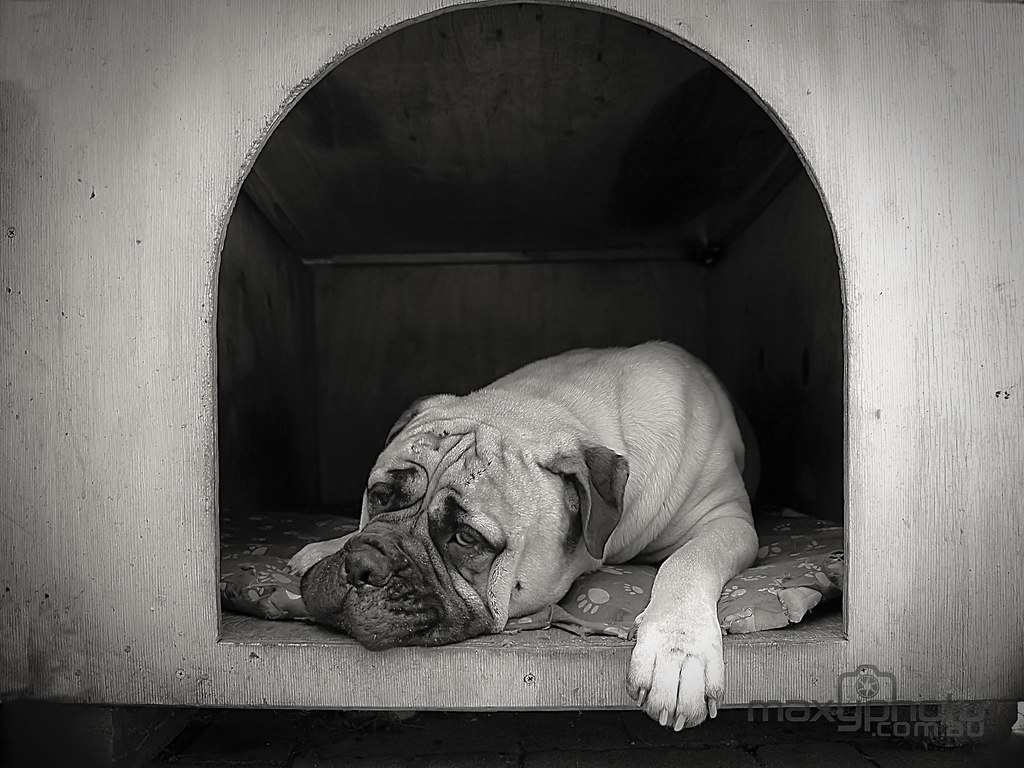
Your dog slept through dinner last night. Not the deep, peaceful kind of sleep — the kind where he just couldn’t get up from his spot on the kitchen floor to walk the twelve feet to his bowl. You watched him try, saw the hesitation in his front legs, the way his back end sort of lagged behind. He’s eleven. You’ve been telling yourself it’s just age. But it’s not just age.
Here’s the thing most people get wrong: they treat joint pain in senior dogs as a vet problem first and a home management problem second. That framing costs them — financially and practically. The average American pet owner spends somewhere between $200 and $600 per vet visit once diagnostics, exams, and prescriptions get stacked together. For a dog with chronic arthritis who needs rechecks every few months, that math adds up fast. The real insight is this: most of what keeps a senior dog comfortable day-to-day happens at home, not in the clinic. The vet matters — I’m not saying skip them — but the vet can’t control what your dog sleeps on, how far he walks, what he eats, or whether he takes a fish oil capsule crushed into his food every morning. You can.
1. Understand What’s Actually Happening in Those Joints
Canine osteoarthritis is a degenerative joint disease — cartilage breaks down, the bones start to grind, inflammation moves in and sets up camp. It’s not dramatic at first. You notice your Lab takes longer to stand after a nap. Your shepherd doesn’t jump into the car anymore. Your beagle stops running to the door.
Studies published in veterinary medicine literature suggest that arthritis affects a significant portion of dogs over age seven — some estimates put it at around 20% of adult dogs, with the rate climbing sharply in dogs over ten. The condition is probably underdiagnosed because dogs are stoic. They don’t whine dramatically. They just quietly do less.
The inflammation cycle is the part that matters for home care. Cold floors make it worse. Excess weight makes it dramatically worse — every extra pound on a 30-pound dog is roughly equivalent to several pounds of stress on those joints. Short, repeated low-impact movement keeps synovial fluid circulating. Long, hard runs on concrete destroy what’s left of the cartilage. Once you understand the mechanics, the home management decisions stop feeling arbitrary.
2. The Floor Situation Is More Important Than the Supplement
I know supplements get all the attention. We’ll get there. But the single most impactful change most people can make costs less than $60 and takes fifteen minutes: fix the surfaces your dog has to navigate every day.
Hardwood, tile, laminate — all of it is a problem for a dog with joint pain. Their paws slip, their muscles fire constantly just to stabilize, and the mental anxiety of losing footing makes them move less. Rubber-backed area rugs, yoga mats in hallways, those interlocking foam tiles from the hardware store — any of these work. The goal is traction, not aesthetics.
Then there’s the bed. An orthopedic foam dog bed with at least three inches of memory foam matters more than almost any supplement on the market. Not the flimsy poly-fill version that flattens in a week — actual memory foam. There are several brands that sell these specifically for senior dogs; prices run from around $50 to $150 depending on size. Put it in the room where your dog spends the most time. Put another one — a cheaper one — in the room where you sleep. Dogs sleep 12 to 16 hours a day. Every hour on a hard floor is an hour of unnecessary inflammation.
3. Movement: The Counterintuitive Part
Rest feels like kindness. It isn’t, not entirely. A dog that stops moving loses muscle mass, which means the joints have less support, which means pain gets worse. The answer isn’t more rest — it’s better movement.
Short, frequent walks beat long occasional ones. Three 10-minute walks are better than one 30-minute walk, especially on days when your dog is stiff. Grass and dirt are easier on joints than sidewalk. Avoid hills and stairs when possible, especially first thing in the morning before the joints have had a chance to warm up.
Swimming — if your dog tolerates it — is genuinely one of the best options available. The water supports body weight while the muscles still work. Some areas have canine hydrotherapy facilities; a session typically runs $40 to $80 and can be worth it every couple of weeks as a supplement to regular walks. If that’s outside your budget, a shallow creek or calm lake on a warm day accomplishes something similar.
The morning stiffness thing is real and worth working around. Give your dog 10 to 15 minutes to move around the house before the first walk. Don’t pull him straight from his bed into cold air and a brisk pace.
4. Supplements That Actually Have Evidence Behind Them
Not all supplements are equal, and the market is noisy. Here’s where I’d actually spend money:
- Fish oil (omega-3 fatty acids): The anti-inflammatory evidence here is reasonably strong. Look for products that list EPA and DHA specifically — these are the active compounds. Dose by weight; packaging usually gives guidelines. Generic human fish oil capsules work fine if you size them appropriately for your dog’s weight.
- Glucosamine and chondroitin: The evidence is genuinely mixed — some dogs respond noticeably, others don’t. It’s generally safe, it’s relatively inexpensive, and enough vets recommend it that it’s worth trying for 60 to 90 days to see if your individual dog responds.
- Green-lipped mussel: This one has grown in veterinary interest over the past several years. It contains fatty acids not found in regular fish oil and some studies show measurable improvement in mobility. Available as a powder or in treats.
What I’d skip: anything marketed primarily on branding over ingredients, anything with a vague proprietary blend that doesn’t list active doses, and anything that promises to “rebuild cartilage” in big letters on the front of the package. Cartilage doesn’t rebuild. Management is the goal, not reversal.
5. Weight Is the Variable That Changes Everything
If your senior dog is even 10% over their ideal body weight, getting them to that ideal weight will do more for their joints than almost anything else combined. This is not a small claim. The mechanical load on arthritic joints decreases meaningfully with every pound lost, and reduced load means reduced inflammation.
Your vet can help you identify ideal body weight. The general visual guide: you should be able to feel your dog’s ribs without pressing hard, but not see them. A visible waist from above. A slight tuck in the abdomen when viewed from the side.
Most senior dogs need fewer calories than their owners realize. Metabolism slows with age, activity decreases, and the portions that worked at age four are too much at age ten. Switching to a senior formula food, measuring portions instead of eyeballing, and cutting treats to no more than 10% of daily calories are the practical levers here.
6. A Real Week of This — With the Parts That Didn’t Go Perfectly
My neighbor has a 12-year-old golden retriever named Duke. She started a joint care routine in January after he began refusing the three steps up to her back deck. Here’s roughly what a week looked like after about six weeks of adjustments:
Monday, good day — Duke walked twice, about 12 minutes each, on the grass path around the neighborhood. Fish oil in his morning food. He made it up the deck steps on his own by afternoon.
Tuesday, not great — it rained, the floors got wet, he slipped once near the kitchen and then wouldn’t move much for the rest of the day. She realized she hadn’t put the mat back down after mopping. Small thing, significant consequence.
Wednesday — she adjusted the evening walk to after he’d been moving around the house for 20 minutes first. He moved noticeably better.
Friday — she forgot the fish oil. He seemed fine. One missed day doesn’t undo anything, but she started keeping it next to the coffee maker so it’s part of her own morning routine.
The point: nothing here is dramatic. There’s no miracle protocol. There’s just consistent, small management of variables that compound over weeks and months.
7. What Doesn’t Work (And Why People Keep Trying It)
Four approaches I’d push back on directly:
- Cutting activity entirely when the dog seems sore. One or two rest days after a hard day makes sense. Weeks of minimal movement leads to muscle loss, weight gain, and more joint stress. Rest is not the same as management.
- Human pain medications — especially ibuprofen or acetaminophen. These are toxic to dogs. This bears repeating because people reach for what’s in the cabinet. NSAIDs designed for dogs exist; your vet can prescribe them. Don’t improvise with the human medicine cabinet.
- Buying the most expensive supplement without watching for response. Expensive doesn’t mean effective for your specific dog. Give something 60 to 90 days, watch for actual behavioral changes — more willingness to move, easier time rising — and reassess. Supplement loyalty should be earned by the dog’s response, not the marketing.
- Waiting for obvious pain signals to take action. Dogs mask discomfort. By the time a dog is limping dramatically or yelping, the condition is usually well advanced. The earlier you start environmental and dietary management, the more function you preserve.
8. When the Vet Visit Is Actually Worth It
This isn’t an anti-vet article. Some situations require professional intervention: sudden worsening of symptoms, a dog that stops eating, visible swelling in a joint, or a dog who’s clearly in acute pain. Prescription anti-inflammatory medications — the kind formulated for dogs — can make a real difference in quality of life, and getting a proper diagnosis rules out other conditions that mimic arthritis.
The argument here isn’t to avoid the vet. It’s that the vet visit sets the plan, and you execute it 365 days a year. The gap between those two things is where most of the dog’s quality of life actually lives.
A single diagnostic visit with bloodwork to rule out other causes, a body condition assessment, and a conversation about appropriate prescription options — done once or twice a year — is money well spent. The $400 rechecks every six weeks for a stable, managed condition are often where people start to feel the financial pressure unnecessarily.
Start Here, This Week
Three things. Pick whichever one you can do by tomorrow:
Put a yoga mat or rubber-backed rug on your slipperiest floor. If your dog spends time in a kitchen or hallway with hard floors, this takes fifteen minutes and costs under $20. You’ll likely see a difference in how confidently he moves within a few days.
Add fish oil to one meal. Buy a bottle of fish oil capsules — human grade is fine — and give your dog an appropriate dose based on their weight mixed into their food. One morning. See if you keep doing it. Most people do once they notice a dog that’s a little looser on the walk.
Watch your dog get up from lying down three times this week, and actually watch. How long does it take? Which leg goes first? Does he pause before committing to standing? You’ll learn more about where he is in about five minutes of observation than you’d get from a lot of guessing. And you’ll know what “better” looks like when it comes.
He’s still in there. He’s just asking for a little more help than he used to need.

Publicar comentário