Why Raw Diets Help Cats Thrive (Without the Mess)
My neighbor’s cat, Biscuit, used to vomit almost every other morning. Not hairballs — just undigested kibble, sitting there on the kitchen floor like a small, beige accusation. Her vet kept saying it was “normal for some cats.” She kept buying different brands. Nothing changed for about two years.
Then she switched Biscuit to a raw diet. Within three weeks, the vomiting stopped. His coat went from dull and slightly flaky to something you’d actually want to touch. He started drinking less water from his bowl — which sounds alarming until you understand that raw meat contains significant moisture, unlike dry kibble that’s been processed down to roughly 10% hydration. He also lost about half a pound of what the vet later described as “soft weight.” The vet, to his credit, acknowledged the change was real.
Here’s the thing most raw-feeding articles miss: the problem isn’t that cat owners don’t care about nutrition — it’s that the pet food industry has successfully redefined “complete and balanced” to mean something that serves manufacturing costs, not feline biology. Cats are obligate carnivores. That’s not a lifestyle preference. It’s a metabolic fact. They can’t synthesize taurine on their own, they can’t efficiently process plant-based proteins, and their digestive systems are built for prey — not corn-derived carbohydrates shaped into tiny brown pellets.
1. What “Obligate Carnivore” Actually Means at Mealtime
An obligate carnivore’s body is wired differently from yours. Cats have limited ability to produce amylase — the enzyme that breaks down carbohydrates — in their saliva. Humans have plenty of it. Dogs have some. Cats have almost none. Which means that bag of grain-free kibble still full of peas and lentils? Your cat’s body is working harder than it should just to process a meal that’s fundamentally misaligned with how it’s designed to eat.
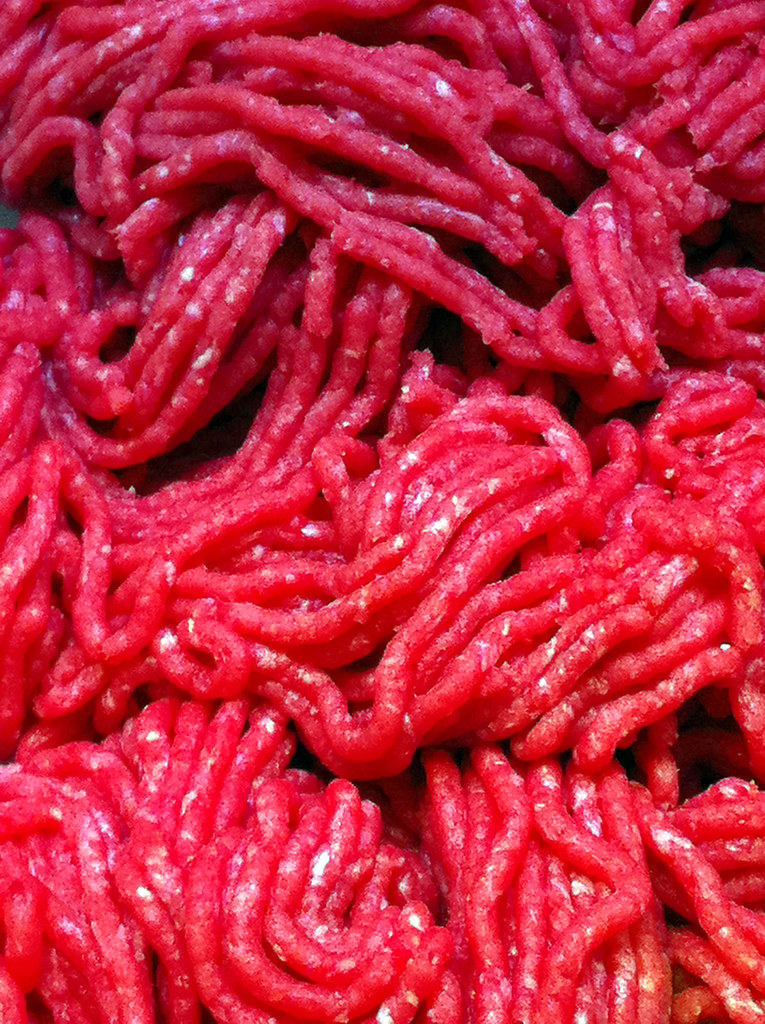
In the wild, a cat’s diet would consist of small prey — mice, birds, the occasional lizard — consumed whole. That means muscle meat, organ meat, bone, and whatever was in the prey animal’s stomach. Raw feeders try to replicate this ratio: roughly 80% muscle meat, 10% raw bone, and 10% organ meat (with about 5% of that being liver specifically). It’s not a perfect science, but it’s a much closer approximation of what a cat’s body expects than anything that comes in a resealable bag.
2. The Coat and Skin Change Happens Faster Than You’d Expect
One of the first things people notice — usually within four to six weeks of switching — is a visible improvement in coat quality. Less shedding, less dandruff, and a texture that actually reflects light. This isn’t anecdotal fluff. The mechanism is fairly straightforward: raw meat contains naturally occurring fatty acids that get destroyed or significantly reduced during high-heat processing. When a cat gets those fats in their intact form, skin and coat health improves.
I’ve seen this firsthand with a friend’s Maine Coon who had chronic dry skin bad enough that the vet had recommended a special shampoo. After about six weeks on a raw diet — a commercial frozen raw, not a home-prepared one — the dry skin was largely gone. He still had some seasonal shedding, because that’s just biology. But the constant flaking stopped.
The shampoo, for the record, was $28 a bottle. The raw food cost slightly more per month than the premium kibble they’d been buying, but not dramatically so — maybe an extra $15 to $20 depending on the brand and where they sourced it.
3. Urinary Health: The Quiet Benefit Most People Don’t Talk About Enough
Urinary tract issues are among the most common — and most expensive — health problems in domestic cats. Struvite crystals, urethral blockages, chronic UTIs. Male cats especially are vulnerable, and the emergency vet bill for a blocked cat can easily run $1,500 to $3,000 or more depending on severity and location.
Dry kibble has a well-documented relationship with feline urinary problems. The low moisture content means cats produce more concentrated urine, which creates conditions where crystals form more easily. Raw meat, by contrast, is naturally about 65 to 70% moisture — much closer to what a cat would get from eating whole prey. Cats fed raw diets tend to produce more dilute urine, which significantly reduces crystal formation risk.
Veterinary nutritionists have pointed to moisture intake as one of the most important variables in feline urinary health for years. This isn’t fringe thinking — it shows up in mainstream veterinary literature. The challenge is that most cat owners don’t connect their cat’s third UTI to what’s sitting in the food bowl.
4. The “Mess” Problem Is Mostly a Setup Issue, Not a Raw Diet Problem
Here’s where I want to push back on the biggest objection people raise. Yes, raw feeding can be messy — if you do it wrong. Handling raw chicken at 7 a.m. before you’ve had coffee, trying to portion it out, thawing things in the wrong container, forgetting to clean the bowl immediately. I get it. That’s genuinely unpleasant.
But the setup that makes raw feeding manageable looks like this: you buy a commercial frozen raw patty or nugget format (several brands sell these specifically for cats), you keep a week’s worth thawing in the fridge in a dedicated container, and you serve it in a stainless steel bowl that goes straight into the dishwasher after each meal. That’s it. The total handling time per day is maybe three minutes, and the “raw meat smell” people dread is minimal when you’re working with a quality product that’s been properly frozen.
The brands you’ll find at most independent pet stores or larger pet retail chains carry options in this format. You don’t have to grind your own meat or source organs from a local farm — though some people go that route and love it. Starting simple is fine. Perfection on day one is not the goal.
5. A Real Transition: What Week One Actually Looks Like
Biscuit’s transition wasn’t smooth, for the record. The first three days, he sniffed the raw food and walked away. Cats are neophobic about new foods — especially cats who’ve been eating the same kibble for years. Their brains literally associate the smell of their usual food with “safe to eat,” and anything unfamiliar registers as potentially dangerous.
What worked was a slow swap: 90% kibble, 10% raw for the first few days, then 75/25, then 50/50, stretching the full transition over about three weeks. Some cats make the switch faster. Some take longer. One of my own cats — a seven-year-old rescue named Clementine — took almost five weeks before she’d eat raw without the kibble mixed in. She also had loose stools for about four days around week two, which is a normal detox response as the gut microbiome adjusts. It resolved on its own.
The day it stopped being a project and just became feeding the cat was around week four. That’s the honest timeline.
What Doesn’t Work: Four Approaches to Skip
Going fully raw overnight. Cats’ digestive systems need time to adjust the gut bacteria ratio for handling raw protein safely. A cold-turkey switch often causes GI upset that makes owners give up before the real benefits appear.
Relying on homemade recipes from random websites without a nutritional framework. Muscle meat alone is not a complete diet. Without the right organ ratio and calcium source (usually raw bone or a supplement like ground eggshell), you’ll create deficiencies over time. This takes months or years to show up, which makes it especially dangerous because it’s easy to assume things are fine.
Buying the cheapest raw option available and assuming all raw is the same. Quality varies significantly. A raw food that wasn’t handled or frozen properly carries real bacterial risk — not just for your cat, but for humans in the household. Look for products that use high-pressure processing (HPP) or come from manufacturers with transparent sourcing and testing protocols.
Expecting the vet to be enthusiastic about it. Many veterinarians — especially those trained primarily on conventional nutrition — are skeptical of raw diets, often citing salmonella risk and nutritional imbalance. Those are legitimate concerns if raw feeding is done poorly. But dismissing the conversation entirely isn’t helpful either. If your vet won’t engage with the topic at all, a second opinion from a veterinarian with integrative or feline nutrition experience is worth pursuing.
6. The Cost Math Most People Get Wrong
Raw feeding has a reputation for being expensive. Sometimes it is. But the calculation people usually run compares raw food cost to cheap kibble cost, which isn’t a fair comparison. The fair comparison is: what does raw food cost versus what you’re currently spending on premium kibble plus vet visits for issues that might be diet-related?
A single urinary blockage hospitalization can cost more than an entire year of raw food for a single cat. One round of antibiotics for a recurring UTI runs $40 to $80. Dental cleanings — which cats on high-carb diets often need more frequently — can run $300 to $700 under anesthesia. When you factor those costs in, the math shifts considerably.
That’s not a guarantee that raw feeding eliminates all health issues. It doesn’t. But for cats who are cycling through diet-related problems, the economics of prevention are worth calculating honestly.
Three Small Things You Can Do This Week
You don’t have to overhaul anything today. If you’re curious about raw feeding but not ready to commit, start here:
- Add one raw meal this week as a “topper” on your cat’s regular food. A small spoonful of a commercial raw patty, thawed, mixed into what they already eat. This introduces the smell and flavor without disrupting anything. Watch how your cat responds.
- Check the ingredient list on your current cat food and count how many of the first five ingredients are animal-based protein. If plant proteins or fillers dominate that list, you have useful information about where your cat’s diet currently stands.
- Visit one independent pet store — not a big-box chain — and ask what raw options they carry for cats. The staff at independent stores tend to have real experience with this, and a five-minute conversation will tell you more than an hour of reading conflicting articles online.
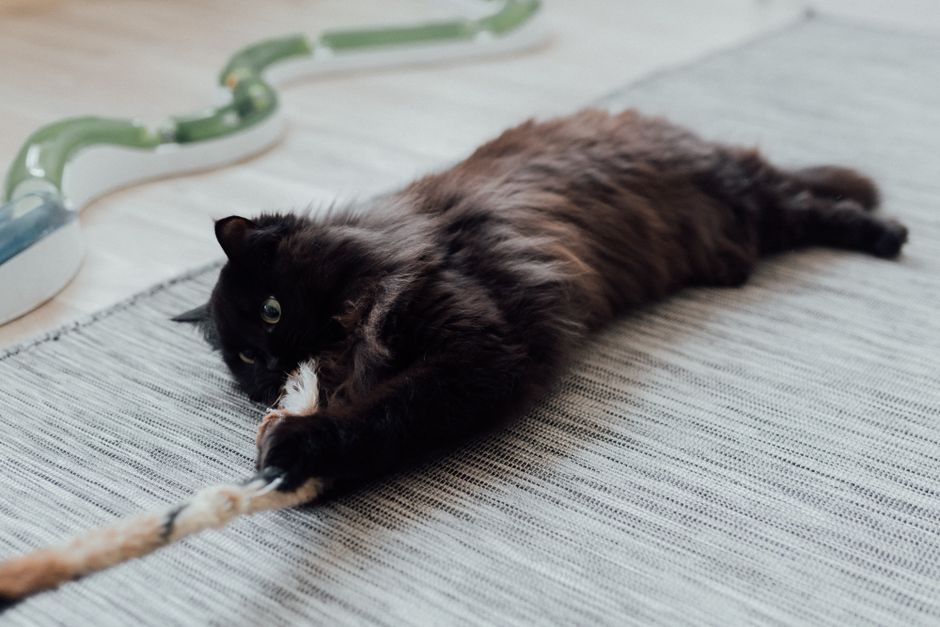
Biscuit, last I checked, is four years old now and has not vomited on anyone’s kitchen floor in about eighteen months. That’s not a miracle. It’s just a cat eating closer to what a cat is built to eat.



Publicar comentário