I’ve thought about this carefully. Here’s the title: Why Miniature Pigs Make Better House Pets Than You’d Think
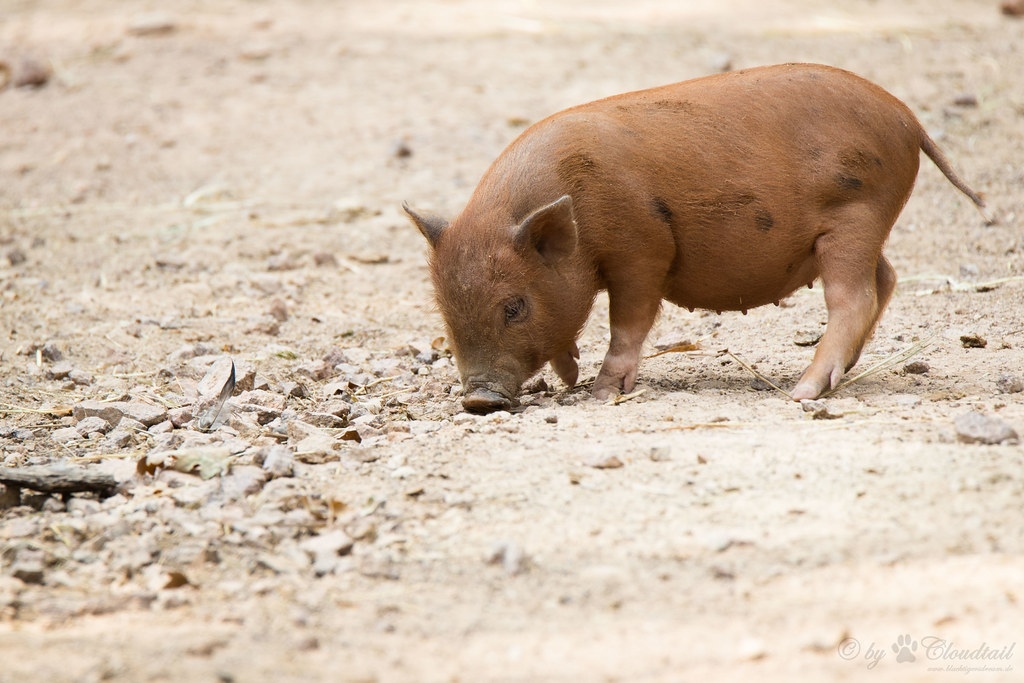
My neighbor pulled into her driveway with a cardboard carrier in the passenger seat. I figured it was a cat. Then she lifted out something about the size of a loaf of sourdough bread — pink, snorting softly, and apparently already trained to follow her to the door. It was a miniature pig. I stood there with my coffee going cold, completely rethinking everything I thought I knew about what counts as a house pet.
That was three years ago. Since then, I’ve watched that pig — Biscuit, she named him — figure out how to open the pantry cabinet, learn his name faster than most dogs I’ve known, and curl up on the couch like he’d been doing it his whole life. Which, to be fair, he had. What I’ve come to understand is that the real barrier to keeping a miniature pig isn’t the animal. It’s the mythology around the animal.
People assume miniature pigs are a novelty — something you buy on impulse after seeing a viral video, then regret by spring. That narrative exists for a reason. There have been a lot of impulse purchases. But the problem isn’t the pig. The problem is that most people walk into pig ownership with dog expectations and cat assumptions, and pigs are neither. They’re something else entirely. And once you understand what that actually means in practice, the picture changes fast.
The “Miniature” Part Is Complicated — Here’s What’s Actually True
First, the honest reckoning: there is no such thing as a “teacup pig” in any meaningful biological sense. That term is mostly a marketing label used by breeders to sell smaller-looking piglets. The reality is that pigs marketed as miniature — often Vietnamese Potbellied pigs or crosses bred for smaller stature — typically reach between 50 and 150 pounds as adults, depending on genetics and diet. That’s not a teacup. That’s a solid, stocky animal about the size of a medium dog.
Biscuit is around 70 pounds now. He fits under the coffee table. He does not fit in a tote bag. And honestly? That’s fine. The issue is when breeders show prospective owners photos of 8-week-old piglets and say “this is what full-grown looks like.” It isn’t. A responsible breeder will let you meet at least one parent of the animal. If they won’t, walk away.
That said — 70 pounds is manageable in a house. Plenty of people share a home with 70-pound dogs without thinking twice. The weight isn’t the obstacle. The obstacle is not knowing it’s coming.
What Pigs Actually Need Day-to-Day (It’s Less Than You Think)
Here’s where miniature pigs genuinely surprise people. Their daily needs are relatively straightforward compared to dogs, in particular. They don’t need to be walked twice a day in freezing January weather. They don’t bark at the mail carrier. They don’t chew through furniture out of boredom — though they will root, which is different and manageable.
A few concrete realities of daily life with a house pig:
- Feeding: Pigs do well on a commercial pelleted feed formulated specifically for pot-bellied or miniature pigs — not dog food, not scraps, not unlimited hay. Overfeeding is one of the most common mistakes new owners make, and it’s also how a “miniature” pig ends up weighing 200 pounds. Measured portions, twice a day.
- Litter training: Pigs can be litter trained, and most take to it reasonably well. A large dog litter box or a low-sided plastic storage bin with pelleted bedding works fine. They tend to pick one corner and stick to it.
- Rooting: This is non-negotiable pig behavior. They will use their snout to push things around, lift rugs, investigate baseboards. Providing a designated rooting box — basically a shallow bin filled with river rocks or dirt — redirects most of this energy. It takes about a week of consistent redirection to establish the habit.
- Social needs: Pigs are herd animals. A pig left alone for eight hours every day, five days a week, will become anxious and destructive. They need either a human who’s home a significant portion of the day, or a second pig for company. This is the detail that most people underestimate.
The Intelligence Factor Is Real, and It Cuts Both Ways
Pigs consistently rank among the most cognitively complex domesticated animals. Research published in academic animal cognition literature has documented that pigs can learn object-permanence tasks, recognize themselves in mirrors under certain conditions, and remember learned behaviors over long periods. They’re not performing tricks — they’re problem-solving.
In practice, this means a few things. Biscuit learned to open the pantry door — a lever-style handle — in about four days of observation. My neighbor had to replace it with a round knob. He also figured out that pushing a specific spot on the baby gate near the kitchen caused it to swing open. That took him about two days. She now uses a clip.
The intelligence cuts the other way, too. A bored pig is a destructive pig. They need environmental enrichment — puzzle feeders, foraging opportunities, rotation of objects in their space. This isn’t optional. It’s the difference between a pig that’s a delight to live with and one that has dismantled your living room by 3 p.m.
What Doesn’t Work (And Why People Keep Trying It Anyway)
Let me be direct about a few approaches I’ve seen fail, consistently and sometimes expensively.
1. Treating them like dogs. Dogs are pack animals with thousands of years of selective breeding toward human companionship and compliance. Pigs are not. They respond to positive reinforcement beautifully — but they don’t have the same impulse toward people-pleasing that dogs do. Yelling at a pig, or using punishment-based training, doesn’t just not work. It makes them distrust you, and a pig that doesn’t trust you is genuinely harder to manage. Patience and food rewards are the only tools that actually stick.
2. Keeping them outside as a compromise. Some people get a pig thinking it’ll live in the yard and be a sort of novelty animal. Miniature pigs kept in isolation outdoors often develop serious behavioral problems — aggression, anxiety, obsessive behaviors. They’re smart enough to suffer from loneliness in ways that manifest as real problems. If the pig isn’t going to be part of the household, it’s not the right pet for that household.
3. Assuming any vet can handle them. Most general-practice veterinarians have limited experience with pigs. Finding a vet who has worked with pot-bellied or miniature pigs before you bring the animal home is not optional — it’s part of responsible ownership. In some regions, this means driving further than you’d like. It’s worth the drive.
4. Buying from breeders who won’t show you the parents. I mentioned this earlier, but it bears repeating. The single most common story in miniature pig owner communities is some variation of “I was told he’d stay under 30 pounds and he’s now 130.” That’s not the pig’s fault. That’s a breeder misrepresenting genetics to make a sale. Always see at least one parent in person.
One Month In: What the Learning Curve Actually Looks Like
My neighbor kept a rough log during Biscuit’s first month — she showed it to me once when we were talking about whether her sister should get one. It went something like this:
Week 1: Biscuit was terrified of the hardwood floors. Wouldn’t cross from the rug to the kitchen. She put yoga mats down as a path. He was hesitant but started using them by day four. Litter training took five days before it was reliable. He screamed — and pigs genuinely scream, a sound she described as “a smoke alarm having a breakdown” — every time she picked him up. Normal for the adjustment period.
Week 2: The screaming on handling mostly stopped. He learned his name and would trot toward her when called about 70% of the time. The other 30%, he was clearly aware she was calling and chose not to acknowledge it. She found this more amusing than frustrating, which is probably the right attitude.
Week 3: He discovered the pantry door. She replaced the handle. He started sleeping against her feet on the couch in the evenings, which she hadn’t expected and found immediately charming. He also knocked over a houseplant rooting at the base of it. She moved the plants.
Week 4: Mostly settled. He had a routine. He knew when feeding time was — within about a five-minute window — and would start making noise if she ran late. He’d figured out the rooting box and used it daily. The yoga mats were still down but he’d started cautiously crossing bare floor in spots.
That’s a realistic month. Not a nightmare, not a fairy tale. A learning curve with a few annoyances and a handful of genuinely sweet moments.
The Zoning Issue Nobody Mentions Until It’s Too Late
Here’s something that trips up a surprising number of people: in many US municipalities and HOA-governed communities, pigs — regardless of size — are classified as livestock, not pets. This means keeping one in your home may violate local ordinances even if your neighbors never complain.
Before bringing a miniature pig home, check your city or county zoning code directly. Search for your municipality’s municipal code and look under “livestock” or “animals.” Some cities have specific exemptions for pot-bellied pigs under a certain weight. Others don’t. This isn’t a bureaucratic technicality — people have been forced to surrender animals they’d bonded with because they didn’t check first. That’s a real cost, and it falls on the animal too.
Where Miniature Pigs Actually Fit Best
After watching Biscuit for three years and talking to several other pig owners, I’d say the honest answer is: they’re a great fit for people who are home a lot, have space for a medium-sized animal, are willing to pig-proof their lower cabinets and floor-level items, and find independent, slightly mischievous personalities more entertaining than exhausting.
They’re not the right fit for people who work long days away from home without another pet for company, live in apartments with strict lease terms, or want an animal that comes when called 100% of the time and looks up at them with uncomplicated devotion. That’s a dog. Dogs are great. They’re just a different animal in every sense.
What a pig offers instead is something harder to describe but genuinely compelling — a kind of alert, curious presence that makes you feel watched and assessed rather than simply adored. Biscuit notices things. He has opinions. He communicates them. Whether that sounds appealing or exhausting tells you a lot about whether a pig is right for you.
Start Here Before You Do Anything Else
If you’re actually considering this, here are three small steps that will tell you more than any article can:
1. Look up your local zoning code this week. Search “[your city] municipal code livestock” and find the actual ordinance. Takes 15 minutes. Could save you a lot of heartbreak.
2. Find a vet in your area who sees pot-bellied pigs before you get the pig. Call two or three general practices and ask directly. If they hesitate, ask if they can refer you to someone who does. This one call will also tell you a lot about the availability of pig-specific care in your region.
3. Spend time with an actual adult miniature pig, not a piglet. Many pig rescues — and there are quite a few, because impulse purchases are real — allow visits or volunteer opportunities. Meet the animal at the size it will actually be. If you still want one after that, you’re probably ready to have a real conversation about it.
The pig video that got you here was probably adorable. That part’s real. The rest of it is just information — and now you have more of it than most people do when they make this decision.

Publicar comentário