Which Exotic Birds Are Actually Worth Keeping in 2026
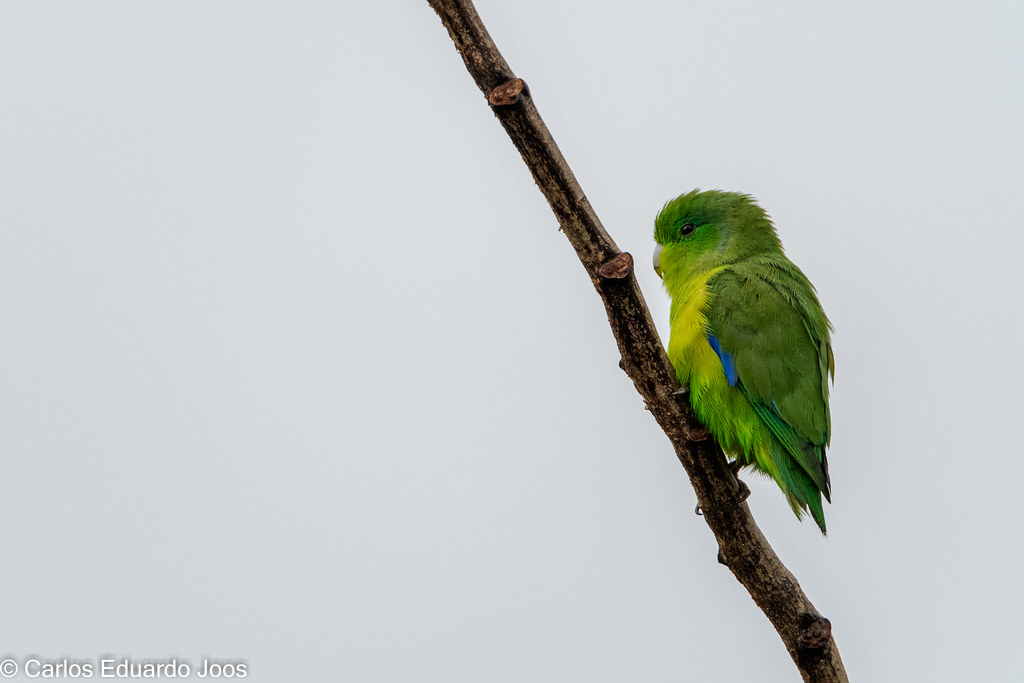
The woman at the reptile expo in Phoenix — it was a Saturday, around 11 in the morning, the kind of dry heat that makes your throat scratch — wasn’t looking at reptiles at all. She was standing in front of a small travel cage holding a caique parrot, just watching it bounce. Not talking, not recording it for Instagram. Just watching. The vendor told me she’d been there for forty-five minutes. “She comes back every show,” he said. “Never buys. Just needs to see one.”
That moment stuck with me. Because it captures something that doesn’t get said enough in the exotic bird hobby: the pull toward these animals isn’t really about ownership — it’s about contact with something genuinely wild that’s decided, however briefly, to tolerate you. The problem most people run into isn’t choosing the wrong species. It’s choosing a bird for the wrong reasons: aesthetics, social media appeal, or because a friend had one. In 2026, with bird ownership costs up, avian vets harder to find outside major metros, and species availability shifting due to ongoing trade regulations, your reason for choosing a species matters more than it ever did.
1. The Caique: The Bird That Will Outlive Your Patience (In a Good Way)
If you want a bird that acts like a toddler who just ate a pound of sugar and found a drum kit, get a caique. White-bellied and black-headed caiques are both trending hard right now — breeders I’ve talked to in the Southeast say waitlists for hand-raised babies are running four to six months out in some cases. That’s not hype. That’s genuine demand.
Why are they worth it? Because they play. Real play — rolling on their backs, wrestling with toys, making ridiculous noises at their reflection. A well-socialized caique at around two years old is one of the most interactive parrots you’ll keep under 10 inches. They’re not the best talkers. Some never say a coherent word. But they compensate with personality so dense it fills a room.
The honest caveat: caiques can be aggressive with other birds. I had a friend in Austin who kept a caique and a conure in adjacent cages — supervised out-of-cage time only, and even then there were a few close calls. They’re not a “flock” bird by default. They bond intensely to one or two people and can get possessive. If you have kids under eight or multiple pets, factor that in before you’re on a waiting list.
2. The Eclectus: Drop-Dead Gorgeous, Drop-Dead Demanding
The eclectus parrot looks like someone designed it in Photoshop. The male is an almost unnatural shade of green with a candy-corn beak. The female is red and blue and looks like a different species entirely — which confused ornithologists for decades, by the way. They’re sexually dimorphic to a degree that’s almost theatrical.
They’re also one of the most misunderstood birds in captivity. Eclectus have a much longer digestive tract than most parrots, which means their diet needs are genuinely different. A seed-heavy diet — fine for many hookbills — causes serious health problems in eclectus. They do best on a diet heavy in fresh vegetables, leafy greens, and some fruit, with limited pellets and minimal seed. I’ve seen birds come into rescues with feather-destructive behavior that cleared up almost entirely after a diet overhaul. It’s not always that simple, but diet is the single most underestimated variable with this species.
They’re quieter than most parrots their size (about 14 inches), which makes them more apartment-friendly than an Amazon or a cockatoo. But they are sensitive — to stress, to schedule changes, to air quality. If you travel frequently or your household runs chaotic, an eclectus will show it, usually through feather problems or reduced appetite.
3. The Pionus: The Introvert’s Parrot
Nobody talks about pionus parrots enough. Blue-headed, Maximilian’s, white-capped — this genus of medium-sized South American parrots punches way above its noise level in terms of personality. They’re calm. They’re not screamers. They can talk reasonably well. And they tend to generalize their affection more broadly than, say, an Amazon, which means they’re less likely to become a one-person bird that terrorizes your spouse.
Industry data suggests that medium-sized parrots in the 10-to-12-inch range have seen growing interest among first-time exotic bird owners who’ve done their research — and the pionus fits squarely in that window. They’re not cheap — expect to pay somewhere in the $400 to $800 range for a hand-raised bird from a reputable breeder, depending on species and location — but they’re also not the $3,000+ investment of a macaw or a large cockatoo.
The downside: when startled or stressed, pionus make a wheezing sound that genuinely alarms people who don’t know the species. It sounds like respiratory distress. It’s usually not — it’s a defensive mechanism — but if you have a house full of people who don’t know birds, expect some panicked texts.
4. The Toucan: Beautiful Lie You Tell Yourself
Every few years, toucans surge in popularity. Reels of hand-raised toco toucans eating blueberries out of someone’s palm go viral, and suddenly everyone wants one. I understand the impulse. They are genuinely extraordinary animals.
But here’s what the videos don’t show: toucans require a low-iron diet with extreme precision, because they’re highly susceptible to hemochromatosis — iron storage disease — which can be fatal and is directly diet-linked. Feeding them the wrong fruit, even well-intentioned ones like grapes or bananas in excess, can contribute to the problem over time. Their care is specialized enough that finding a vet who actually knows toucans, not just “exotic birds” in a general sense, is a real challenge outside of major cities.
They’re also not cuddly in the way the videos imply. A hand-raised toucan can be interactive, even affectionate on its own terms. But they’re not lap birds. They’re active, they need large enclosures, and they’re not legal in all states. Check your state’s exotic animal regulations before you fall in love with the idea.
5. What Doesn’t Work: Common Mistakes People Make Choosing Exotic Birds
Choosing based on talking ability. African Greys are famous talkers — some develop vocabularies of several hundred words — but they’re also one of the most emotionally complex parrots in captivity. Greys that aren’t given enough mental stimulation and social contact develop anxiety-driven behaviors like feather plucking that are genuinely difficult to reverse. If you want a talker but you’re not home most of the day, a Grey is a poor fit regardless of how impressive they sound on YouTube.
Treating “hand-raised” as a permanent state. A hand-raised baby bird is socialized, not domesticated. That distinction matters. As birds mature — usually between one and three years old depending on species — hormonal changes can shift behavior significantly. A sweet baby caique or Amazon can become territorial and bite-prone during breeding season. This isn’t failure. It’s biology. But a lot of people rehome birds at this stage because they weren’t told it was coming.
Underestimating noise in an apartment or condo. Sun conures are charming, brilliant, and absolutely ear-splitting. Their contact calls have been measured at around 120 decibels — roughly the level of a rock concert. I know someone in a Chicago high-rise who had to rehome hers after noise complaints from two floors away. If you live in shared housing, noise is a non-negotiable factor in species selection.
Skipping the vet relationship before you buy. Avian vets are not evenly distributed across the US. In rural areas and smaller cities, finding a vet with genuine avian expertise — not just a general practice vet who “sees birds” — can mean driving two hours. Identify your avian vet before you bring a bird home, not after. And budget for it: exotic bird vet visits typically run $80 to $200 or more for a routine wellness exam, depending on your region.
6. One Month with a Pionus: What Actually Happened
A colleague of mine — works from home in Nashville, lives alone, had kept budgies years ago — brought home a Maximilian’s pionus last spring. Week one: the bird sat in the back of the cage and wheezed at everyone. She called me twice convinced it was sick. It wasn’t. Week two: it started creeping toward the front when she ate breakfast nearby. Week three: it stepped up reliably for her, nobody else. Week four: it said something that might have been “hello” or might have been a sneeze — she chose to believe it was “hello.”
Not a dramatic transformation arc. But that’s the point. The bird didn’t become a trick-performing, talking mascot in thirty days. It became a presence in her apartment that she genuinely looked forward to coming home to. Some weeks were frustrating — there was a night it screamed for forty minutes and she had no idea why. But she’s a year in now and doesn’t describe it as a pet. She describes it as company.
That’s what the right exotic bird actually gives you, when the match is honest.
Three Things You Can Do This Week
If you’re seriously considering adding an exotic bird to your life in 2026, start here — not with browsing breeders, not with ordering a cage:
- Spend one hour in a local bird club meeting or avicultural society gathering. Most cities have them. Talk to people who’ve kept the species you’re interested in for more than five years. Ask what the hardest month was. That answer will tell you more than any care sheet.
- Call one avian vet in your area and ask if they see your target species regularly. Not “do you see exotic birds” — specifically ask about your species. If they hesitate, keep looking.
- Watch thirty minutes of a bird you’re considering — in person, not on video. A rescue, a bird fair, a reputable breeder’s facility. Watch how it moves when it thinks nobody’s paying attention. That’s the bird you’d actually be living with.
The right exotic bird in 2026 isn’t the most impressive one. It’s the one that fits inside the life you actually have — not the one you’re planning to build.


Publicar comentário