Sugar Gliders for Beginners: What You’ll Actually Need to Know
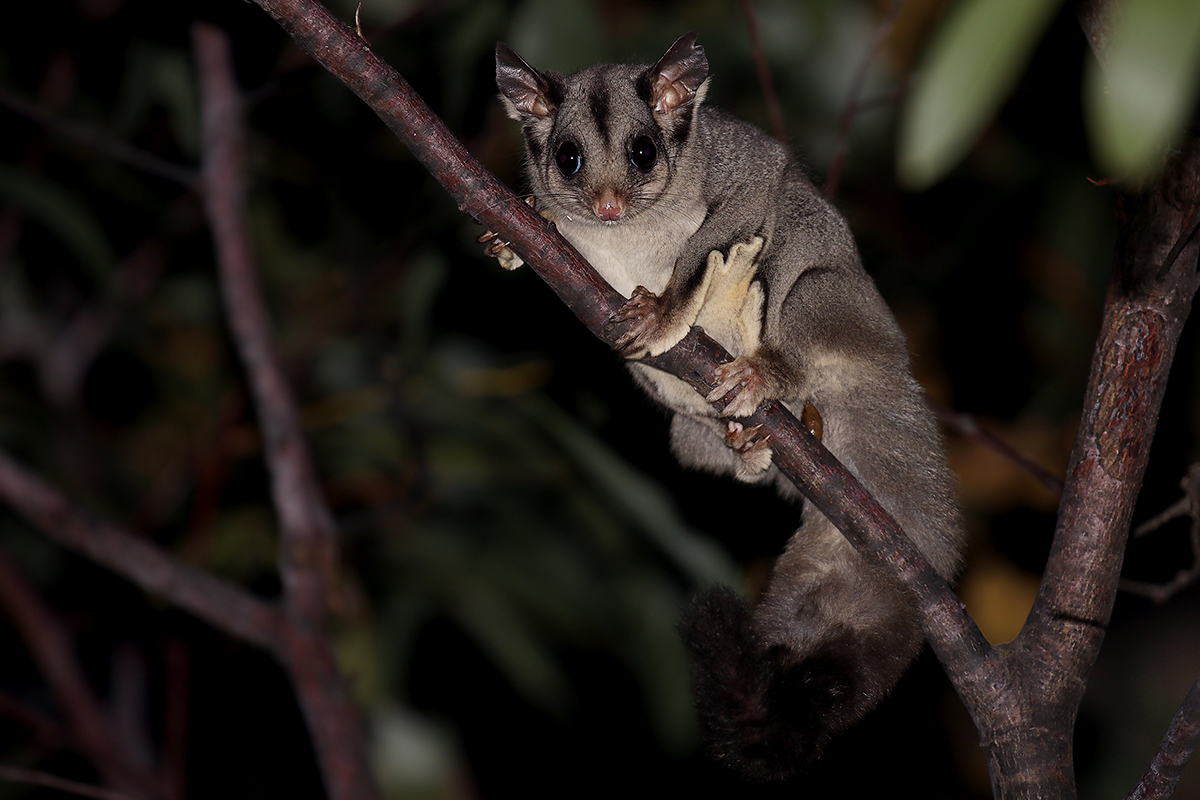
It’s 11:30 on a Tuesday night, and you’re standing in your kitchen holding a tiny marsupial that weighs about four ounces — roughly the same as a handful of grapes — and it just bit you for the third time this week. You bought it two months ago from a breeder at an exotic animal expo, you’ve watched approximately 80 hours of YouTube videos, and you’re starting to wonder if anyone actually told you the truth about what owning a sugar glider is like.
I know that feeling. And I’m here to tell you: the problem isn’t that sugar gliders are too difficult to own. The problem is that most beginner guides are written by people trying to sell you something — a cage, a supplement pack, a membership to a Facebook group with 40,000 members who all argue about diet formulas. What you actually need is honest information about what these animals cost, what they need daily, and whether they’re even the right pet for your specific life situation. A lot of people get sugar gliders because they’re adorable and small. A lot of those same people rehome them within a year.
1. Sugar Gliders Are Not Low-Maintenance Pocket Pets
Let’s deal with the biggest misconception first. Sugar gliders are nocturnal marsupials native to Australia, Indonesia, and Papua New Guinea. They’ve been kept as pets in the US since at least the 1990s, and somewhere along the way they got marketed alongside hamsters and geckos as “easy starter exotics.” They are not that.
These animals are highly social. In the wild, they live in colonies of up to 15 individuals. In your apartment, that means keeping at least two — ideally a bonded pair — unless you have several hours every single evening to dedicate to direct interaction. A lonely, under-stimulated sugar glider will self-mutilate. That is not hyperbole. It’s a documented stress response that exotic animal veterinarians see regularly, and it’s devastating to watch.
Industry surveys and exotic pet ownership data consistently show that small exotic mammals — including sugar gliders — have some of the highest rehoming rates of any pet category, largely because buyers underestimate the time and social commitment involved. You won’t find a clean federal statistic on this, but talk to any rescue organization that specializes in exotic small mammals and they’ll confirm the pattern immediately.
2. The Cage Setup Will Cost More Than You Think — Here’s the Honest Number
Budget at minimum $300 to $500 before you ever bring a glider home, and that’s being conservative. Here’s where it goes:
- Cage: You need a minimum of 24″ x 24″ x 36″ — height matters more than floor space because gliders climb and glide. Wire spacing should be no more than half an inch so they can’t squeeze through or get a limb caught. Expect to spend $120 to $250 for a quality cage.
- Pouches and sleeping areas: Gliders sleep in fabric pouches during the day. You’ll want at least three so you can rotate them for washing. Around $30 to $60 total.
- Feeding dishes, water bottles, toys: Another $30 to $50.
- The animals themselves: A single sugar glider from a reputable breeder typically runs $150 to $400. A bonded pair — which, again, you should get — doubles that.
- Vet visit: Find an exotic vet before you bring the animals home. The initial wellness exam can run $75 to $150 per glider, and not every vet sees them. In rural areas, the nearest qualified exotic vet might be an hour away.
That’s potentially $1,000 to $1,200 all-in before the first month of food. If that number makes you hesitate, that hesitation is useful information.
3. Diet Is Where Most Beginner Owners Make the Biggest Mistakes
Sugar glider nutrition is genuinely complicated, and the online community is fractured over which diet formula is “correct.” There are a few established approaches — the BML (Bourbon’s Modified Leadbeater’s) diet, the TPG (The Pet Glider) diet, and a few others — each with loyal followers who will tell you the other options are dangerous. The arguments in those Facebook groups get heated in a way that seems disproportionate until you realize that calcium-to-phosphorus ratio imbalances can cause metabolic bone disease, and metabolic bone disease kills gliders.
Here’s what the science actually supports: sugar gliders in the wild eat nectar, pollen, insects, and tree sap. They need a diet that mimics that balance — roughly equal parts protein and produce, with careful attention to calcium-phosphorus ratios. Fruits high in phosphorus (like grapes and raisins) should be limited. Live insects like mealworms or crickets are a legitimate and beneficial protein source, not a novelty.
What you should do before bringing gliders home: pick one of the established diet plans, print it out, and commit to it for at least three months before you start experimenting. Changing their diet constantly causes stress and digestive issues. Consistency matters more than perfection, especially at the start.
4. A Real Week of Sugar Glider Ownership — Including the Parts That Didn’t Go Well
My first week with a bonded pair — two males, about eight months old when I got them — looked roughly like this:
Night one: They hid in their pouch until 1 a.m. I stayed up waiting to bond with them. They came out, crabbed loudly (that’s the hissing/locust sound gliders make when stressed — it’s alarming the first time you hear it), and retreated. I went to bed feeling like I’d made a mistake.
Night three: I started tent bonding — sitting inside a small pop-up laundry hamper with them loose, letting them crawl on me without trying to grab them. One of them ate a mealworm off my hand. Small win.
Day five: I forgot to thaw their food the night before. They ate commercial yogurt drops, which is essentially candy, and one of them had loose stool the next morning. Lesson learned: prep food in advance and keep backup options that aren’t junk.
End of week one: Neither of them would voluntarily enter their bonding pouch — a small fleece pouch you can wear around your neck during the day to get them used to your scent. I kept trying anyway. It took about three more weeks before they stopped treating the pouch like a trap.
Bonding takes weeks, sometimes months. Anyone who tells you their gliders were cuddly and affectionate within a few days either got unusually well-socialized animals or is misremembering.
5. What Doesn’t Work: Four Common Beginner Approaches to Avoid
I have strong opinions on this section because I’ve seen all four of these approaches lead to stressed animals and frustrated owners.
Keeping a single glider to “save money.” This is false economy. A solo glider requires hours of daily interaction to prevent the behavioral and health issues that come from isolation. If you can’t provide that, you’ll end up with vet bills that far exceed the cost of a second animal. Get two. Always.
Free-feeding fruit and vegetables as the main diet. Gliders will preferentially eat sweet things and ignore nutritionally balanced options if given the choice — much like a kid who eats only the marshmallows out of a cereal box. Produce should be a component of their diet, not the foundation. Relying on it leads to deficiencies, often within months.
Using a cage that’s too small because “they’re tiny animals.” Size is not the relevant variable. Vertical space and enrichment are. A glider crammed into a 18″ cube cage will develop stereotypic behaviors — repetitive pacing, bar-chewing — that are signs of serious psychological distress. Spend the money on the right cage upfront.
Assuming they’ll bond quickly because you handle them a lot in the first week. Forcing interaction too early — grabbing them, holding them against their will, waking them during the day — sets back the bonding process significantly. The counterintuitive truth is that backing off, moving slowly, and letting them approach you on their terms gets you to a trusting relationship faster than pushing contact. Patience is the actual skill here.
6. The Legal Question You Need to Answer Before Anything Else
Sugar gliders are illegal to own in certain U.S. states and some municipalities. As of 2026, California and Alaska prohibit them outright. Pennsylvania and a handful of other states have specific permit requirements or restrictions. Hawaii’s import laws make ownership effectively impossible for most residents.
Check your state’s fish and wildlife regulations and your local city or county ordinances before you spend a dollar. Breeders at exotic animal expos don’t always volunteer this information, and “I didn’t know” doesn’t help if animal control shows up at your door.
7. Finding a Vet Before You Need One in an Emergency
This one is non-negotiable. Sugar gliders can decline fast. A glider that seems lethargic, stops eating, or has trouble gliding — possible signs of hind leg paralysis, which is associated with calcium deficiency — needs to see a vet that same day, not in three days when you’ve figured out who to call.
Search for “exotic animal veterinarian” plus your city, or use the Association of Exotic Mammal Veterinarians’ online directory — that organization is real and maintains a searchable database of members. Call the office before you bring the animals home. Ask specifically: “Do you see sugar gliders?” Not all exotic vets do. Some only see reptiles and birds. You want confirmation before it’s 2 a.m. and you’re panicking.
Start Here: Three Small Actions You Can Take This Week
If you’re seriously considering getting sugar gliders — or you already have them and feel like you’re in over your head — here’s where to actually start:
This week: Find an exotic vet in your area who explicitly sees sugar gliders. Make one phone call. That’s it. Everything else depends on knowing you have emergency care lined up.
Before you buy: Read through one complete established diet plan — BML and TPG both have detailed write-ups available online from their original creators — and make a shopping list of what you’d need to make it consistently. If the prep work sounds like too much, that’s honest data about your lifestyle.
If you already have gliders and things feel off: Pick the single biggest problem — biting, not bonding, diet confusion, whatever it is — and focus only on that for the next two weeks. Not all of it. One thing. Sugar glider ownership rewards patience and specificity, not sweeping overhauls made at midnight out of frustration.
These animals are genuinely rewarding to keep when you go in with accurate expectations. A well-bonded glider that voluntarily glides to you from across the room, settles into your hoodie pocket, and falls asleep against your chest — that’s real. It happens. It just takes longer and costs more than the expo vendor told you, and there’s no shortcut through the early weeks of crabbing and hiding and pouch-refusal. Know that going in, and you’ll be ahead of most beginners already.


Publicar comentário