Which Exotic Birds Are Homeowners Actually Buying Right Now
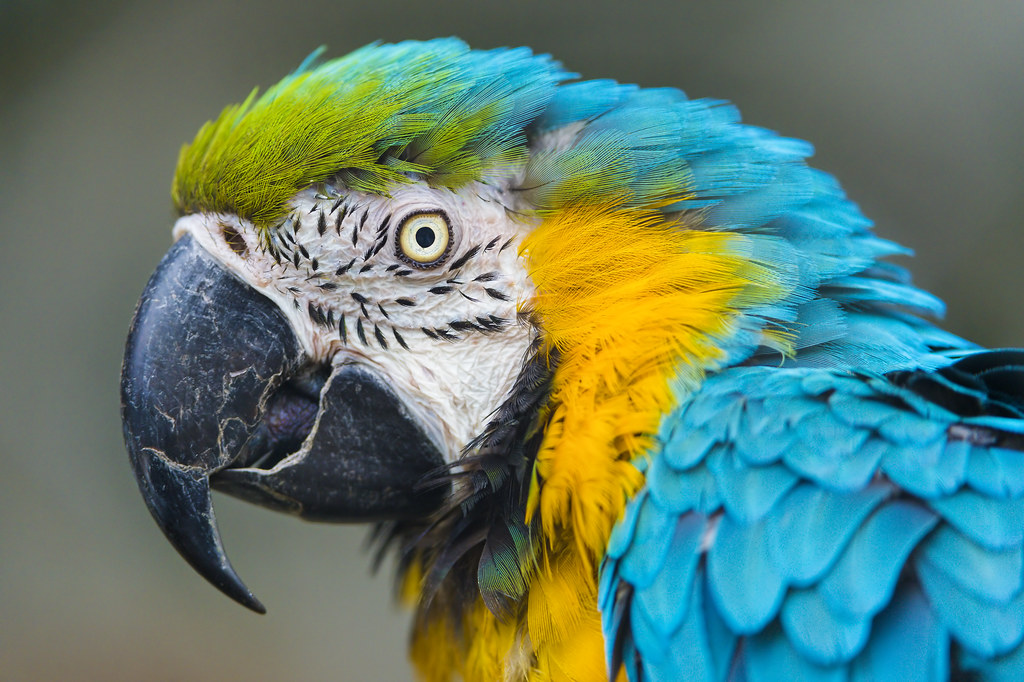
The woman at the pet expo in Phoenix last March had a queue of about forty people in front of her booth — and she wasn’t selling puppies or kittens. She was selling a waiting list. Spots to eventually own a turquoise-fronted Amazon parrot. People were handing over $200 deposits just to get their names on a clipboard. That’s the moment I understood something had genuinely shifted in the exotic bird market in the US.
Here’s the thing most bird enthusiasts miss: the conversation about “which exotic birds are trending” isn’t really about aesthetics. It’s not about which species looks prettiest on Instagram. The real question is which birds are surviving the combination of tighter import regulations, skyrocketing cost of living, and a new generation of homeowners who want companionship without the outdoor space a dog demands. The birds trending right now aren’t trending because they’re beautiful — they’re trending because they fit a very specific modern American life. And that distinction changes everything about how you should think before buying one.
1. The African Grey Is Still the Crown — But the Waitlists Are Brutal
If you’ve spent any time in bird circles, you already know the African Grey parrot has been the gold standard for decades. What’s changed in 2026 is the gap between demand and available, domestically bred birds. Because of ongoing regulations around wild-caught bird imports — restrictions that have been tightening since the Wild Bird Conservation Act was strengthened in previous years — reputable breeders in the US are swamped.
I spoke with a breeder in Florida who told me her last clutch of Congo African Greys sold out before the chicks were even weaned. She charges between $2,500 and $3,500 per bird depending on age and socialization level. Her waiting list runs about 14 months. That’s not a niche situation — that’s the market right now.
The cognitive depth of African Greys is the real draw. These birds can develop vocabularies of several hundred words, understand context in ways that still surprise researchers, and form bonds that owners describe as closer to a peer relationship than a pet dynamic. That’s a significant pull for remote workers and people who spend long hours at home. The downside — and this is not small — is that African Greys are sensitive to environmental change in ways that can result in feather-destructive behavior if their needs aren’t met. If you travel frequently or live in a chaotic household, this bird will struggle. And so will you.
2. Sun Conures: The Apartment Bird That Comes With One Major Asterisk
Sun conures are everywhere right now. Their vibrant orange and yellow coloring photographs beautifully, they’re playful and affectionate, and they’re available from breeders at prices typically ranging from $400 to $800 — significantly more accessible than larger parrots. That accessibility is driving their popularity hard among first-time exotic bird buyers, particularly younger homeowners in their late 20s and 30s.
The asterisk? They are extraordinarily loud. Not “slightly annoying” loud. Ear-protection loud when they decide to scream, which they do with enthusiasm and regularity. I’ve heard people describe the sound as a smoke alarm that learned to panic. If you’re in a townhouse or condo with shared walls, you need to have an honest conversation with yourself — and possibly your neighbors — before you bring one home. Online bird forums are full of rehoming posts for sun conures from people who loved the bird but couldn’t manage the noise in their living situation.
That said, for homeowners with actual detached houses and the time to invest in socialization and interaction, sun conures can be extraordinary companions. The key is not underestimating the enrichment they require. These birds need several hours of out-of-cage time daily. A sun conure in a cage 20 hours a day is a welfare problem, not a pet.
3. Caiques: The Clown Bird With a Stubborn Streak
Caiques — pronounced “ky-EEKs” — are having a genuine moment. White-bellied and black-headed caiques have been slowly building a dedicated following for years, but 2026 feels like the year they crossed into mainstream exotic bird awareness. Their compact size, intensely playful personality, and relatively manageable noise level compared to conures or cockatoos make them appealing to a wide range of buyers.
Prices from reputable breeders tend to run between $1,000 and $1,500. They’re not cheap, but they’re not African Grey territory either. The trait that surprises most new caique owners isn’t their energy — it’s their stubbornness. Caiques have strong opinions. They will decide they hate a specific toy, a specific person, or a specific time of day, and they will commit to that position with full bird conviction. They’re not aggressive by nature, but they will bite if pushed past their tolerance, and their tolerance can be surprisingly low for a bird that seems so playful on the surface.
For someone who finds that personality engaging rather than frustrating — and some people genuinely do — a caique is an endlessly entertaining household member. For someone expecting a more easygoing companion, it can feel like living with a toddler who never ages out of the phase.
4. Eclectus Parrots: The High-Maintenance Choice That Rewards Patient Owners
The Eclectus is one of those birds that looks almost too vivid to be real — the males are bright green with orange beaks, the females are red and blue with black beaks — and they’ve been creeping up the popularity charts steadily. Industry observers who track bird sales and breeder demand have noted consistent growth in interest in Eclectus parrots over the past two to three years, with that trajectory continuing into 2026.
What makes the Eclectus genuinely different from most parrots is their dietary sensitivity. They need a diet heavy in fresh fruits and vegetables — not just seeds or pellets — and they’re prone to health issues if that diet isn’t maintained carefully. Breeders who specialize in Eclectus will tell you upfront: if you’re not prepared to spend real time on food preparation, this is not your bird. They require a calcium-rich, vitamin-A-rich diet, and they can’t process certain supplements the way other parrots can. Getting that wrong doesn’t just cause minor issues — it can shorten the bird’s life significantly.
For the buyer who does their homework and genuinely commits to the care requirements, Eclectus parrots offer a calm, observant companionship that’s different from the louder, more frenetic personality of conures or caiques. They’re not cuddly in the same way, but they’re deeply engaged with their environment and their people.
5. Cockatoos: Why “Most Popular” Doesn’t Mean “Right for You”
Cockatoos — particularly Moluccan and Umbrella varieties — remain among the most searched exotic bird species online. Their white plumage, dramatic crests, and reputation for affection make them perennially appealing to new buyers. Rescue organizations that work with large parrots consistently report that cockatoos represent a disproportionate share of surrendered birds. That’s not a coincidence.
Cockatoos bond so intensely that many develop severe separation anxiety when left alone. They can become destructive, self-injurious, and extremely loud when their social needs aren’t met. These are birds that, in the wild, spend their entire lives in flocks. Asking one to sit quietly in a cage while you work a 9-to-5 and run errands on weekends is, genuinely, an unrealistic expectation.
I’m not saying don’t buy a cockatoo. I’m saying the buyers who succeed with cockatoos tend to be semi-retired, work from home full-time, or live in multi-person households where the bird always has company. If that’s not your situation, the most popular bird on social media might be the worst choice for your actual life.
What Doesn’t Work When Buying an Exotic Bird
Since we’re being direct here, let’s name the approaches that reliably lead to regret:
- Buying based on appearance alone. Every species has a care profile that extends far beyond how it looks. The turquoise of a Pacific Parrotlet is stunning; the territorial aggression of the same bird toward other pets is less charming. Research the personality, not just the photo.
- Skipping breeder vetting to save money. Birds from unvetted sources — certain online classifieds, flea market sellers — often come with undisclosed health issues, poor socialization, or behavioral problems that cost far more to address than the initial savings. A $300 bird with $2,000 in vet bills in the first year is not a deal.
- Underestimating lifespan. African Greys can live 50 to 60 years. Macaws, longer. Buying an exotic bird is, for many species, a decision that outlasts marriages, mortgages, and careers. Most people don’t think through what happens to the bird if their life changes dramatically — and it will.
- Treating the cage as the primary habitat. Exotic parrots especially need significant out-of-cage time, mental stimulation, and interaction. A large cage with toys is not a substitute for real engagement. Birds who spend the majority of their time caged often develop behavioral problems that are extremely difficult to reverse.
One Real Case: The Before-and-After of an Uninformed Purchase
A homeowner I know in Austin bought a Moluccan cockatoo two years ago based largely on a video she saw online. The bird was $3,200 from a breeder, and for the first three months, things were wonderful. Then she went back to the office five days a week. Within six weeks, the bird had screamed loudly enough that her neighbor filed a noise complaint, plucked a patch of feathers from its chest, and bitten her badly enough to leave a scar.
She didn’t give up. She hired a certified parrot behavior consultant — yes, that’s a real profession — rearranged her work schedule to be home by 2 p.m. most days, and spent about four months working through desensitization and enrichment protocols. Things stabilized. The bird is doing well now. But she’s the first to tell you: if she’d known what a Moluccan cockatoo actually required, she would have chosen differently. Probably a Senegal parrot, which she also loves and which fits her life with far less friction.
Start Here Before You Buy Anything
Three things you can do this week, none of which cost money:
First, find a local bird club or avian society — most mid-sized and large American cities have them — and attend one meeting before you make any purchase decision. Talking to people who’ve owned the species you’re considering for five or ten years is worth more than any article, including this one.
Second, calculate the actual cost of ownership over three years: bird price, cage (budget at minimum $400 to $800 for a proper setup for most medium species), avian vet visits (find a certified avian veterinarian in your area and call to ask about exam fees), food, enrichment toys, and potential behavioral consultation. The number will be higher than you expect, and knowing it upfront prevents a painful surprise later.
Third, if you’re seriously considering a species, spend 30 minutes on YouTube watching unfiltered daily-life videos — not highlight reels — of people who own that bird. The screaming, the mess, the demanding behavior. That’s the real audition.
The bird market in 2026 is genuinely exciting. The species available, the quality of domestic breeding, the depth of owner communities online — it’s a good time to be interested in exotic birds. It’s also a time when impulse buys are easier than ever, and the consequences of a bad match land hardest on the bird. Go slow. The right bird, chosen well, will be with you for decades.


Publicar comentário