How to Calm a Stressed Cat Without Medication
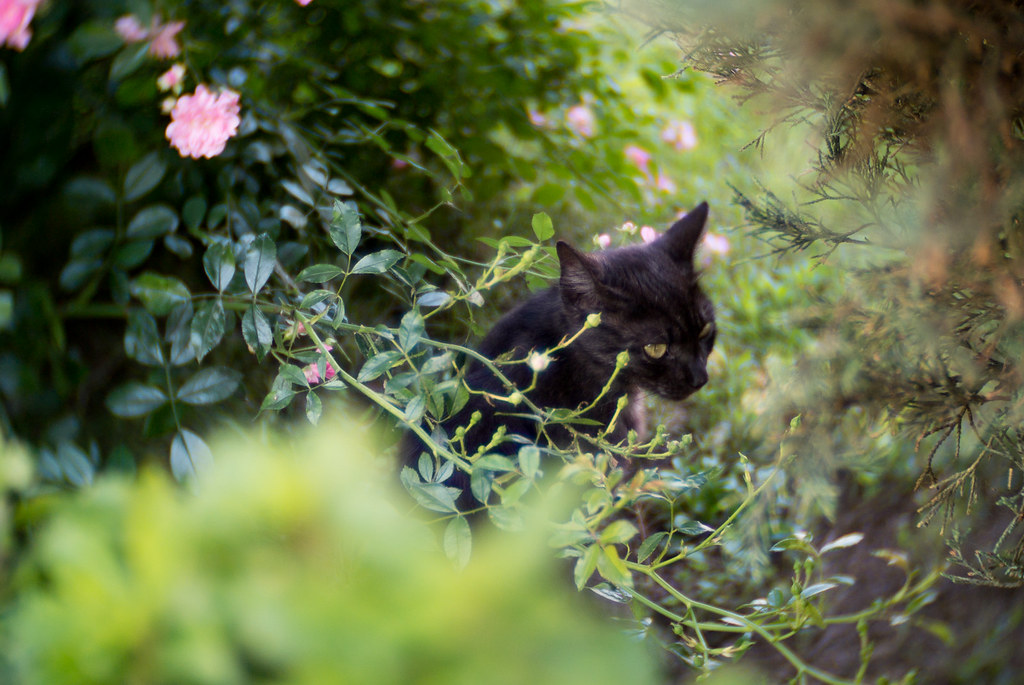
It was 2:14 a.m. when my cat, Miso, knocked the lamp off the nightstand for the third night in a row. Not because she was playful. Because she was scared. She’d been hiding under the bed since the new upstairs neighbors moved in — the ones with the heavy footsteps and the bass-heavy TV — and the only time she came out was in the middle of the night, when the building finally went quiet, and even then she moved like she was walking through a minefield.
I’d already spent around $340 at the vet. No medical issues. “She’s just anxious,” the vet said, and handed me a brochure about a prescription option I really didn’t want to pursue if I didn’t have to. So I started paying attention in a different way.
Here’s the thing most cat owners get wrong: we treat feline anxiety like it’s a mood problem when it’s almost always an environmental problem. The stressed cat isn’t broken inside. The space around her is sending signals she can’t process. That’s a solvable problem — and it rarely requires medication if you catch it early and address it systematically.
1. Understand What Your Cat Is Actually Reacting To
Cats experience the world through a completely different sensory filter than humans do. Their hearing range extends far beyond ours — they can detect frequencies we can’t perceive at all. A new HVAC hum, a neighbor’s ultrasonic pest repeller, construction vibration two blocks away: all of it lands differently in a cat’s nervous system. Before you try any solution, you need to map the trigger.
Ask yourself: When does the anxiety spike? Morning commute traffic? Weekends when the house is full of people? At 6 p.m. when the garbage trucks roll through? Write it down for five days. I kept a simple note on my phone — nothing formal — just time, behavior, and what was happening in the environment. By day four, the pattern was obvious: Miso’s hiding episodes clustered between 5:30 and 7:30 p.m., exactly when the upstairs neighbor got home from work.
Knowing your specific trigger lets you skip the guesswork. Without that map, you’re just throwing products at a problem you don’t fully understand.
2. Rethink the Litter Box, Food Station, and Hiding Spots — In That Order
Veterinary behaviorists often refer to something called the “resource triangle” — the relationship between where a cat eats, eliminates, and retreats when stressed. When those three locations are poorly placed relative to each other or relative to noise sources, anxiety compounds fast.
A few things that made a measurable difference in my apartment:
- Moving the litter box away from the washing machine. I’d had it in the laundry closet for two years. The spin cycle apparently sounded like a predator approaching. I moved it to a quieter corner of the bathroom, and Miso stopped missing the box within a week.
- Elevating the food bowl. Not for digestion — for sightlines. A cat eating at ground level can’t see what’s coming. A raised platform (I used a small wooden step stool from Target, about $12) gave her a 180-degree view while eating. She spent less time scanning while eating and more time actually eating.
- Adding a second hiding spot with a covered top. One open cat bed isn’t enough. Anxious cats want enclosed spaces — something that covers their back and limits what they have to monitor. A basic covered cat cube changed Miso’s behavior more than almost anything else I tried.
3. Use Pheromone Diffusers — But Understand Their Limits
Synthetic feline facial pheromone products — the most well-known category in the US market involves plug-in diffusers — work by mimicking the chemical signal cats deposit when they rub their face on something they consider safe. It doesn’t sedate them. It just reduces the novelty signal the environment is sending.
Research in veterinary behavioral medicine has shown these diffusers can meaningfully reduce stress-related behaviors in cats, particularly in multi-cat households or environments with frequent visitors. They’re not magic. They don’t work on every cat. And they don’t work at all if the source of anxiety is still running at full volume — loud noise, unpredictable human traffic, a dog that won’t stop barking.
What they do work well for: the low-grade, ambient anxiety that makes a cat jumpy and clingy or withdrawn for no obvious single reason. Plug one in near where the cat spends most of its time. Give it 30 days before you judge. I saw a change in Miso around day 18 — subtle, but real. She started sleeping in the living room again instead of exclusively under the bed.
4. The Sound Environment Is Probably the Most Underrated Factor
Most people thinking about cat anxiety think about touch — handling, holding, petting. Almost no one thinks about acoustics.
Television on loud with unpredictable sound spikes (action movies, sports, news alerts) is genuinely stressful for a cat that’s already on edge. What works better: consistent, low-frequency background sound. Some cat owners swear by classical music at low volume. Others use nature soundscapes — rain, light wind. There’s actually a small body of music specifically composed for cats — designed around frequencies and tempos that align with feline resting heart rates — and while it sounds gimmicky, the logic behind it is sound (no pun intended).
The key word is consistent. Silence followed by sudden loud noise is far worse than a steady mid-level sound environment. If your home goes from library-quiet to chaos-loud multiple times a day, your cat is running a constant threat-assessment loop. That’s exhausting for them — and it shows up as what we call “anxiety.”
5. Interactive Play Is Not Optional — It’s Neurological Reset
Here’s where I’ll be direct: if your cat is anxious and you’re not doing structured play twice a day, you’re managing symptoms without treating the condition.
Predatory play — the kind where the cat stalks, crouches, pounces, and catches — burns off the stress hormones that build up from a day of hypervigilance. It’s not enrichment in the fluffy, optional sense. It’s a neurological reset. A cat that hunts (even a toy) processes the threat cycle to completion: detect, stalk, chase, catch, kill, eat, groom, sleep. An anxious cat is stuck in the “detect and stalk” phase indefinitely because the “catch” never comes.
Fifteen minutes, twice a day, with a wand toy — not a laser pointer, which never gives the satisfaction of a catch — makes a measurable difference within two weeks. I started doing this at 7:30 a.m. before work and again around 8 p.m. It wasn’t always convenient. Some days I did five minutes instead of fifteen. It still helped.
What Doesn’t Work: An Honest List
I’ve tried enough things — and talked to enough other cat owners — to have some opinions here.
- Forcing interaction when the cat is hiding. Pulling a hiding cat out from under the bed to “reassure” her doesn’t reassure her. It confirms that her hiding spot isn’t safe. Let the cat come to you. Always.
- Punishment or negative reinforcement for anxiety behaviors. Spraying a cat with water when she’s scratching furniture out of stress teaches her that you’re unpredictable — which makes the anxiety worse. This one seems obvious but I’ve seen it happen constantly.
- Adopting a second cat as a “companion” for an anxious cat. This is genuinely bad advice unless done with an extremely careful, slow introduction process. A resident cat that’s already anxious will almost always see a new cat as a threat, not a friend. The stress compounds. I’ve seen this go wrong in three separate situations with people I know.
- CBD products without any veterinary guidance. The market is flooded with cat CBD products. The research on feline-specific dosing and safety is thin. I’m not saying it never helps. I’m saying you shouldn’t dose your cat based on a TikTok recommendation and a product page on Amazon. At minimum, run it by your vet first.
A Week-by-Week Case: What Actually Changed With Miso
Week one: I moved the litter box, added the covered cube near the bedroom window, and plugged in the diffuser. Miso still hid every evening. No visible change.
Week two: Started the twice-daily play sessions. She was disinterested the first two days — wouldn’t chase anything. By day five she was engaging for about eight minutes before losing interest. Not impressive, but something.
Week three: She started sleeping in the covered cube instead of under the bed. Still hid during the 5:30–7:30 p.m. window, but came out faster afterward — 20 minutes instead of two hours.
Week four: The hiding window shortened to about 30 minutes on most days. She started sitting on the couch next to me in the evenings again, which she hadn’t done in two months.
Week five: We had a weekend with guests. She hid the entire Saturday. I was annoyed. But by Sunday evening she was back on the couch. The recovery time had shrunk dramatically — that’s what improvement actually looks like in a stressed cat. Not the absence of bad days, but faster recovery from them.
She’s not a different cat. She’s still easily startled. But her baseline has shifted — the resting state is calmer, and the spikes don’t last as long.
When to Actually Talk to Your Vet About Medication
This article is called “without medication” — but I’d be doing you a disservice if I didn’t say this: some cats need medication, and there’s no shame in it. If your cat has stopped eating, is over-grooming to the point of bald patches, is eliminating outside the litter box despite a clean setup, or has been in this state for more than six to eight weeks without improvement — that’s a clinical situation, not a training problem.
Medication in those cases isn’t a failure. It’s often what makes the cat calm enough to benefit from the environmental interventions in the first place. Think of it as lowering the floor so the other tools can actually reach.
A board-certified veterinary behaviorist — different from a general vet — is the right resource if you’re at that stage. They can distinguish between situational anxiety and something more structural, like compulsive disorder or pain-related behavior changes.
Start Here This Week
Don’t overhaul everything at once. Pick the smallest thing and do it today.
- Tonight: Spend 10 minutes with a wand toy after dinner. Not a laser. Something the cat can physically catch and hold.
- This week: Track your cat’s hiding or stress episodes by time of day for five days. Just jot it in your phone. You’ll probably see a pattern by day three.
- Before the weekend: Walk through your apartment and identify where the cat eats, sleeps, and hides. If those three spots are all within 10 feet of each other — or if any of them are near a loud appliance — move one of them.
That’s it. Three small things. The goal this week isn’t a calmer cat — it’s better information about what’s actually going on. The calmer cat follows from that.


Publicar comentário