What Pet Hygiene Trends Actually Work in 2026
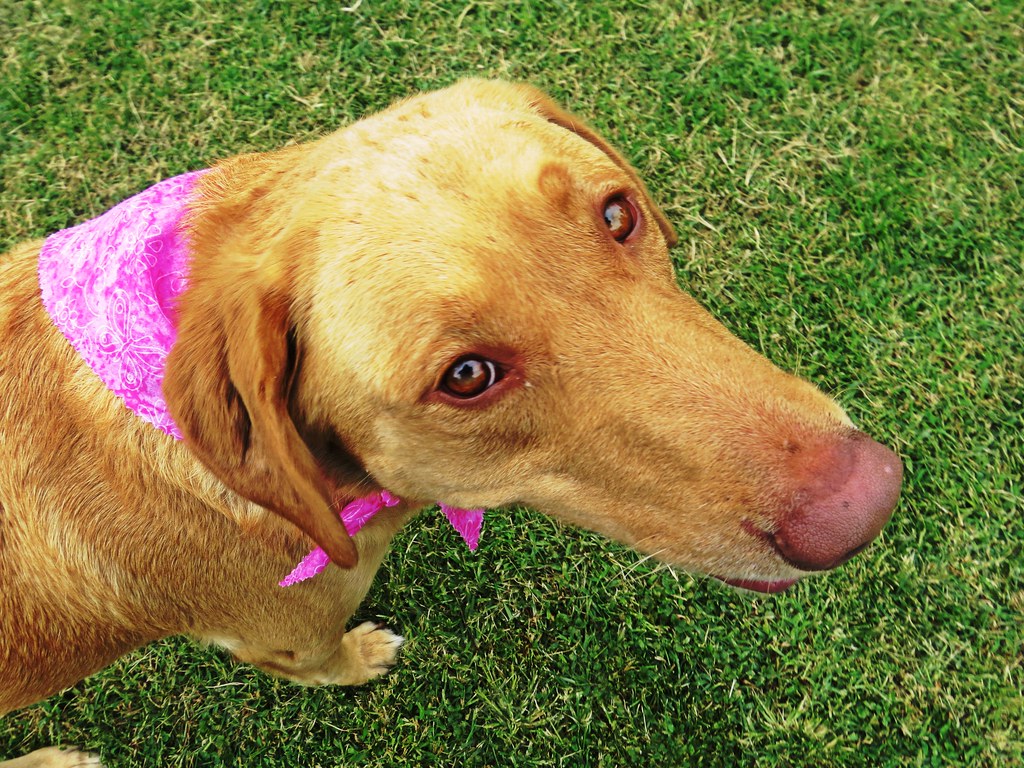
My neighbor’s golden retriever, Biscuit, smelled like a county fair funnel cake stand — and not in a good way. She’d been bathing him every single week, buying a new “premium” shampoo every month, and still couldn’t figure out why his coat looked dull and his skin kept flaking. Last spring, her vet finally told her something I’d been hearing more and more from groomers across the country: the problem isn’t that pet owners aren’t doing enough — it’s that they’re doing the wrong things, repeatedly, with a lot of expensive confidence.
That’s the real story of pet hygiene in 2026. It’s not about more products or more frequent grooming sessions. Industry data suggests the pet care market has grown significantly over the past five years, with grooming and hygiene products representing one of the fastest-expanding segments. Yet veterinary dermatologists — the ones actually treating skin conditions, ear infections, and dental disease — will tell you that overgrooming, product overload, and mismatched routines are behind a surprising number of the cases they see. The trend that actually matters isn’t a new ingredient or a viral TikTok hack. It’s precision: doing less, but doing it right.
1. Microbiome-Aware Grooming Is Replacing “Squeaky Clean”
For years, the gold standard for a clean pet was that squeaky-clean feeling after a bath — the kind where your dog’s fur practically crinkles. Turns out, that sensation is a red flag. It means you’ve stripped the skin barrier and disrupted the microbiome, the delicate ecosystem of bacteria and fungi that keeps your pet’s coat and skin healthy.
Microbiome-aware pet shampoos — pH-balanced, free of sulfates, and often containing prebiotics or postbiotics — have moved from boutique pet stores to mainstream shelves at places like PetSmart and Chewy. The shift mirrors what happened in human skincare about a decade ago, when people stopped washing their faces with harsh foaming cleansers and started treating the skin barrier as something worth protecting, not destroying.
What this means in practice: bathing your dog less frequently (most medium-to-large breeds with healthy skin do fine with a bath every four to six weeks), using lukewarm water instead of hot, and rinsing thoroughly — incomplete rinsing is one of the most common causes of itchy skin that owners never suspect.
2. Dental Hygiene Is Finally Getting Treated Like a Health Issue, Not a Grooming Afterthought
Here’s a number that still surprises people: veterinary organizations have long reported that the majority of dogs and cats over age three show signs of periodontal disease. Not “bad breath.” Actual disease — infection, bone loss, pain affecting how they eat.
For a long time, pet dental care meant those pressed rawhide chews you’d grab from the checkout line at the grocery store or a dental treat shaped like a toothbrush. That era is ending. What’s working in 2026 is a combination of mechanical action (an actual toothbrush, or at minimum a finger brush, used at least three times a week) and enzymatic toothpaste designed specifically for pets — not human toothpaste, which can contain xylitol, a compound toxic to dogs.
Water additives and dental gels have also improved significantly. They’re not a replacement for brushing, but they’re a realistic option for owners whose pets genuinely won’t tolerate a brush. The key word there is “realistic.” The trend that’s actually gaining traction isn’t about perfection — it’s about consistency over intensity. Three imperfect brushing sessions a week beat one thorough session every two weeks by a wide margin, according to most veterinary dental guidance.
3. Ear Cleaning Is Becoming Breed-Specific, Not Universal
If you have a Labrador or a Cocker Spaniel, you know the ear infection cycle intimately. You clean, it clears up, it comes back. You clean again. The vet sighs. You buy another bottle of cleaner.
The problem isn’t that you’re cleaning — it’s that the approach hasn’t been tailored to the dog. Floppy-eared breeds with narrow ear canals, dogs who swim regularly, and dogs with allergies all have completely different ear hygiene needs. What’s changing is that more groomers and vets are pushing owners toward breed-specific and lifestyle-specific ear care protocols rather than the generic “clean once a week” advice that’s been the default for decades.
One groomer I spoke with in Nashville — she runs a small shop out of a converted garage and has been doing this for about fourteen years — told me she now does a brief ear assessment at every appointment and adjusts her approach based on the dog’s recent history. “A dog that was at the lake every weekend in July needs a different ear protocol in August than a dog that’s never been near water,” she said. That kind of individualization is becoming the norm, not the exception.
4. Waterless and Between-Bath Products Are Useful — With Limits
Dry shampoos and waterless sprays for pets have exploded in popularity, and honestly, some of them are genuinely useful. If your cat had a minor accident, if your dog rolled in something on a Tuesday and their next bath isn’t until Saturday, a good waterless product can get you through without the stress of a full bath.
But a pattern worth pushing back on: owners using waterless sprays as a long-term substitute for actual bathing. Some of these products contain fragrances and alcohol that, with repeated use, can irritate skin — especially on dogs with sensitive coats or existing allergies. The “no-rinse” convenience is real. The idea that it’s equivalent to a proper bath is not.
Use them as bridges, not replacements. That’s the practical position most groomers and dermatology-focused vets have landed on.
5. Paw Care Has Gone From Seasonal to Year-Round
A few years ago, paw care was something people thought about in winter — cracked pads from cold pavement, salt and ice melt chemicals, maybe a pair of booties if your dog would tolerate them. Now, paw health has become a year-round concern, and for good reason.
Hot asphalt in July can burn paw pads in under sixty seconds if the surface is above 125°F — a temperature common on black pavement during summer afternoons in cities like Phoenix, Houston, or Atlanta. Allergens tracked in on paws are a major contributor to contact allergies. And the spaces between the toes — the interdigital areas — are a prime location for yeast and bacterial overgrowth, especially in dogs who lick their feet obsessively.
What’s actually working: a simple paw rinse after outdoor walks (a small basin by the door, thirty seconds of rinsing, a quick dry), regular trimming of the fur between the toes, and a paw balm applied two to three times a week to maintain pad integrity. None of this is complicated. All of it is consistently underused.
What Doesn’t Work: Four Approaches Worth Dropping
1. Grooming on a fixed schedule regardless of the individual animal. “Bath every Sunday” sounds disciplined. In practice, it ignores what’s actually happening with your pet’s coat, activity level, and skin condition. Some dogs need more frequent baths during allergy season; some need fewer during dry winter months. The calendar isn’t the right guide — your pet’s skin and coat are.
2. Buying the most expensive product and assuming it’s the most effective. Premium pricing in pet hygiene products is not reliably correlated with better outcomes. Some of the best-reviewed shampoos at mid-price points outperform luxury options, and the only meaningful metric is how your specific pet responds. Expensive doesn’t mean appropriate.
3. Skipping grooming because your pet “hates it.” A pet that hates being groomed is usually a pet that was introduced to grooming too abruptly, too intensely, or too infrequently. Short, positive sessions — two minutes of brushing with treats, a quick paw wipe that ends with play — retrain the association. Avoidance doesn’t solve the problem; it compounds it.
4. Treating all hygiene products as safe because they’re marketed for pets. Some products still contain ingredients — certain essential oils, zinc compounds, artificial fragrances — that can be harmful to specific species or breeds. Cats are particularly sensitive to products formulated for dogs. Always check the label, and when in doubt, ask a vet before adding something new to the routine.
A Real Week of Pet Hygiene (With the Parts That Didn’t Work)
Last October, I tracked a full week of pet hygiene with my own dog — a five-year-old mixed breed with a history of skin allergies. Monday: paw rinse after a muddy walk, no problem. Tuesday: attempted toothbrushing. She moved her head at the last second, I got toothpaste on my sleeve, and we got maybe forty seconds of actual brushing done. Not great. Wednesday: ear check, looked fine, skipped cleaning. Thursday: quick brush-out, found a small mat behind the left ear I’d missed for probably two weeks. Removed it, took about four minutes, slightly embarrassing. Saturday: bath with her microbiome-friendly shampoo, full rinse, towel dry and then a low-heat blow-dry because she hates air-drying in cold weather. Sunday: nothing.
Was it a perfect routine? No. The Tuesday tooth-brushing was a partial failure. I missed that mat longer than I should have. But the cumulative effect — consistent, low-pressure, spread across the week — was noticeably better than the old approach of one big Sunday grooming session that stressed us both out.
Three Small Things You Can Do This Week
Don’t overhaul everything. Pick one:
- Set up a paw rinse station by your door. A small plastic bin, some water, a towel. Use it after the next three outdoor walks and see whether your dog’s foot-licking decreases.
- Try two minutes of toothbrushing tonight — not ten, not a full dental session. Two minutes with a finger brush and pet-safe enzymatic toothpaste. If your dog tolerates it, do it again in two days.
- Check the ingredient list on one product you’ve been using for more than six months. Look up anything you can’t pronounce. If something raises a flag, ask your vet at the next appointment. You don’t have to throw it out today — just know what’s in it.
Biscuit, by the way, is doing much better. His owner switched to a gentler shampoo, cut baths down to every five weeks, and started doing a short brush-out twice a week instead of a full groom every Sunday. His coat is shinier, the flaking is gone, and she’s spending less money on products than she was a year ago. That’s what a well-matched routine actually looks like.

Publicar comentário