Why Your Cat’s Gut Microbiome Matters More Than You Think
My cat Biscuit threw up three times in one week — and every single time, my vet said, “Probably just hairballs.” But Biscuit had barely shed anything that month. She was lethargic, picking at her food, and her coat looked dull in a way I couldn’t quite name. I spent about $340 on tests that came back “within normal range.” I walked out of that office feeling like I was overreacting, but also like I was missing something real.
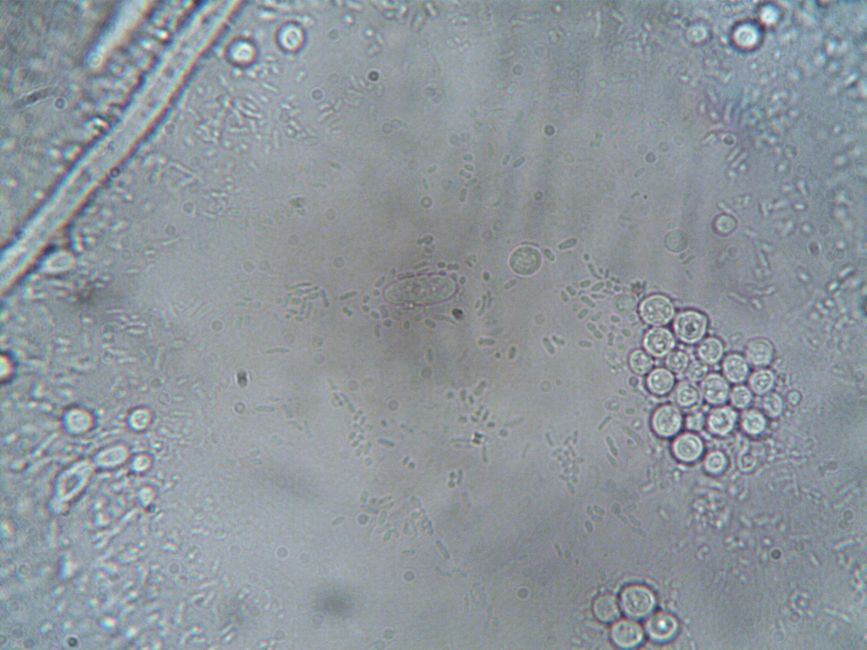
The thing I didn’t know then — and that most cat owners never hear in a standard vet appointment — is that the gut isn’t just where digestion happens. It’s where a significant portion of your cat’s immune regulation, mood signaling, and inflammatory response gets decided. When Biscuit’s gut was off, everything was off. The problem wasn’t hairballs. The problem wasn’t even the vomiting. The problem was that her internal ecosystem — the trillions of bacteria, fungi, and other microorganisms living in her digestive tract — had gotten knocked out of balance, and nobody had thought to look there.
1. The Cat Gut Is Nothing Like the Human Gut (And That’s the Whole Point)
Here’s where most pet wellness content goes sideways: it borrows human microbiome research, applies it to cats, and assumes the logic holds. It doesn’t — not cleanly, anyway.
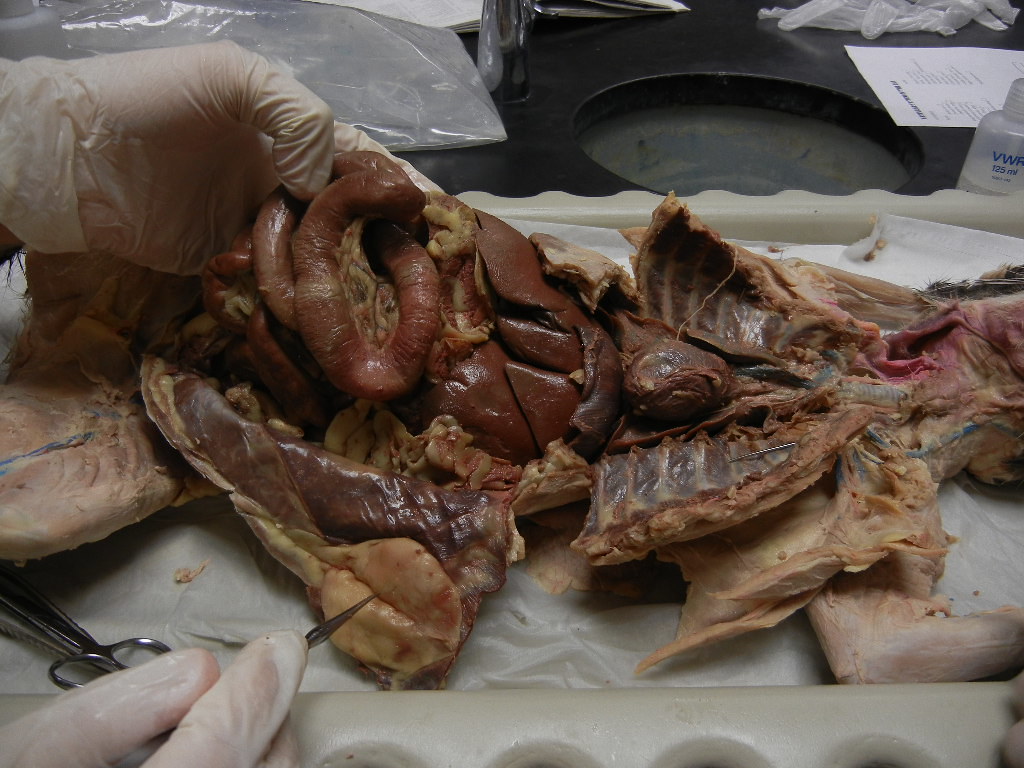
Cats are obligate carnivores. Their gastrointestinal tracts are shorter than dogs’ and dramatically shorter than humans’. This means food moves through them faster, the microbial community has less time to interact with nutrients, and the types of bacteria that thrive in a cat’s gut are genuinely different from what colonizes a human colon. The dominant bacterial families in a healthy cat’s gut tend to skew heavily toward species that process animal protein — not plant fiber, not resistant starch, not the fermented carbohydrates that dominate discussions of human gut health.
When a cat eats a high-carbohydrate dry kibble diet — which, let’s be honest, is still the norm in most American households — those carbohydrates don’t just “go through.” They feed the wrong microbial populations, potentially crowding out the bacteria that a cat’s immune and digestive systems actually depend on. Studies in veterinary microbiology have documented shifts in feline gut microbiome composition related to diet type, with cats on high-protein, low-carbohydrate diets showing different bacterial profiles than those fed conventional dry food. The numbers vary by study, but the directional finding has been consistent enough that researchers take it seriously.
2. Signs the Microbiome Is Struggling — That Aren’t Obvious
Chronic vomiting gets attention. Diarrhea gets attention. But the subtler signs? They get dismissed constantly — I know because I dismissed them for almost a year with Biscuit.
- Coat quality changes: A dull, slightly brittle coat that can’t be explained by seasonal shedding often reflects nutrient absorption issues downstream of gut dysfunction.
- Behavioral shifts: Increased hiding, less interest in play, irritability. The gut-brain axis in cats is real. Microbial imbalance can affect serotonin signaling — yes, in cats too.
- Intermittent soft stools: Not full diarrhea. Just stool that’s never quite firm, a few days a week, that you start to think of as “just how your cat is.”
- Chronic gas: Hard to notice in a cat unless you’re paying attention, but it’s there.
- Recurrent hairballs despite normal grooming: If gut motility is compromised, hairballs move through more slowly and accumulate more easily. The hair isn’t the problem — the gut is.
None of these alone is a red flag. Together, over weeks, they paint a picture worth taking seriously.
3. What Actually Disrupts Feline Gut Flora
Antibiotics are the obvious one. A single course of antibiotics — necessary as it sometimes is — can meaningfully alter the gut microbiome for weeks or months after treatment ends. That’s documented across species. But there are disruption sources that get far less attention:
Stress. If you’ve moved recently, added a new pet, or even rearranged furniture — these stressors affect cortisol levels, which in turn affect gut permeability and microbial diversity. I moved apartments in January 2025, and Biscuit had two weeks of soft stools afterward with no dietary change whatsoever.
Overuse of dewormers and flea treatments. Some antiparasitic medications — particularly broad-spectrum ones used on a routine schedule without confirmed infestation — can affect gut microbial populations. This isn’t a reason to skip necessary parasite control. It’s a reason to use it purposefully, not reflexively every three months on a cat that never goes outside.
Diet monotony. Feeding the exact same food, day after day, for years can reduce microbial diversity over time. Diversity in the gut microbiome is generally associated with resilience. A cat eating the same formula of kibble since 2019 may have a less adaptable gut ecosystem than one whose diet has had appropriate variation.
Tap water quality. Chlorine and chloramine — added to municipal water supplies to kill pathogens — don’t stop working once they reach your cat’s bowl. Filtered water, or simply offering a cat fountain that reduces chlorine through aeration, is a small and inexpensive shift that may matter more than people think.
4. The Probiotic Aisle Is Full of Products That Won’t Help Your Cat
This is where I’ll be direct, even if it costs me some readers: most probiotics marketed for cats are not well-supported by the research that exists.
Here’s what doesn’t work — or at least, what the evidence doesn’t support well enough to justify the marketing claims:
- Human probiotics given to cats. The specific strains in products like Culturelle or most store-brand probiotics are selected for human gut conditions. They don’t necessarily colonize a feline gut, and some strains may not even survive the transit in a cat’s shorter digestive system.
- Generic “pet probiotics” with low CFU counts. Colony-forming unit counts matter. A probiotic with 1 billion CFU may sound significant, but some veterinary gastroenterology researchers have noted that effective doses in cats may need to be meaningfully higher — and delivery format (chew, powder, capsule) affects survivability through stomach acid.
- Probiotic treats with added sugar or artificial flavors. The probiotic may technically be present. The other ingredients may be undermining the goal.
- Giving probiotics once, expecting permanent change. The gut microbiome isn’t a one-time fix. Without the dietary substrate to support new bacterial populations, introduced strains often don’t persist long-term. A probiotic without a dietary context is a short-term patch.
What does have more credibility? Strains like Enterococcus faecium SF68 have been studied specifically in cats and have shown some benefit in clinical settings. A conversation with a veterinary internist — not just a general practitioner — is worth having if your cat has ongoing GI issues.
5. A Real Before-and-After: Eight Weeks With Biscuit
After that frustrating $340 visit, I made three changes over about eight weeks. I’m not presenting this as a protocol — it’s just what I did, what worked, and where I hit walls.
Week 1–2: I switched from a dry-only diet to a mix of about 70% wet food (a high-protein, grain-free canned option — I won’t name the brand because availability varies) and 30% dry. Biscuit resisted this for the first four days. She ate the dry around the wet and left the wet in the bowl. I had to warm the canned food slightly — about 15 seconds in the microwave, stirred so there were no hot spots — before she’d engage with it consistently.
Week 3–4: I added a veterinary-recommended probiotic powder to her wet food. Not something I picked off a shelf — my vet pointed me toward one with documented feline-specific strains. The first week was unremarkable. The second week, her stools firmed up noticeably. That was the first tangible sign.
Week 5–6: I swapped her water bowl for a filtered ceramic fountain. She drank more. I don’t know whether that was the fountain design or the filtered water, and I’m not going to pretend I do.
Week 7–8: The vomiting dropped from roughly three times a week to once every ten days or so. Not zero. She still vomited occasionally — she’s a cat, that happens. But the frequency shifted in a way that felt real, not placebo.
What didn’t work: I tried a bone broth supplement for about a week. She refused it entirely, and I gave up. Some sources recommend it for gut lining support. Maybe it helps some cats. Biscuit wanted nothing to do with it.
6. The Gut-Immune Connection Most Pet Owners Never Hear About
Estimates suggest that a significant portion of the immune system — in mammals broadly — is associated with gut-linked tissue. In cats, this connection is particularly relevant because feline inflammatory bowel disease (IBD) and gut microbiome disruption appear to be closely linked. Some veterinary researchers have gone so far as to describe feline IBD less as a disease of the gut wall itself and more as a disease of the gut’s microbial environment.
This matters practically: if your cat has recurring upper respiratory infections, chronic ear issues, or skin conditions that don’t resolve fully with treatment, the gut is worth looking at as a contributing factor — not a guaranteed cause, but a reasonable area of inquiry. The immune system doesn’t operate in isolation from the digestive tract. They share real estate and signaling pathways.
Your vet may not bring this up unprompted. Most general practice appointments are 20 minutes long. Gut microbiome health in cats is still a relatively emerging area in clinical veterinary medicine, even as the research base grows. Asking directly — “Could this be gut-related?” — is a reasonable and informed question to put on the table.
7. Three Small Things You Can Do This Week
Not a full protocol. Not a transformation. Three genuinely small moves:
Replace one dry meal with high-protein wet food. Just one. Not every meal, not a full diet overhaul — just swap Tuesday dinner and see how your cat responds over a few days. High protein, low carbohydrate on the label. No corn syrup, no “by-product meal” as the first ingredient.
Ask your vet about feline-specific probiotics at your next appointment. Not a supplement brand you found on Amazon. Ask specifically whether there’s a veterinary-grade option they’ve seen results with. Frame it around your cat’s specific symptoms — loose stools, vomiting frequency, coat quality — not general “gut health,” which is easy to dismiss.
Note the vomiting frequency for two weeks. Literally write it down — date, time, what preceded it (meal, stress event, nothing notable). Patterns you can document are patterns a vet can work with. “She vomits sometimes” is easy to dismiss. “She vomited 11 times in 14 days, mostly within two hours of eating” is something a clinician can engage with.
Biscuit is doing better. Not perfectly — she had a rough week last month when my partner’s dog visited for three days and the stress was obvious. But the baseline shifted. That’s what a healthier gut microbiome looks like in practice: not invincibility, but resilience.

Publicar comentário