What Raw Pet Diets Actually Look Like in 2026
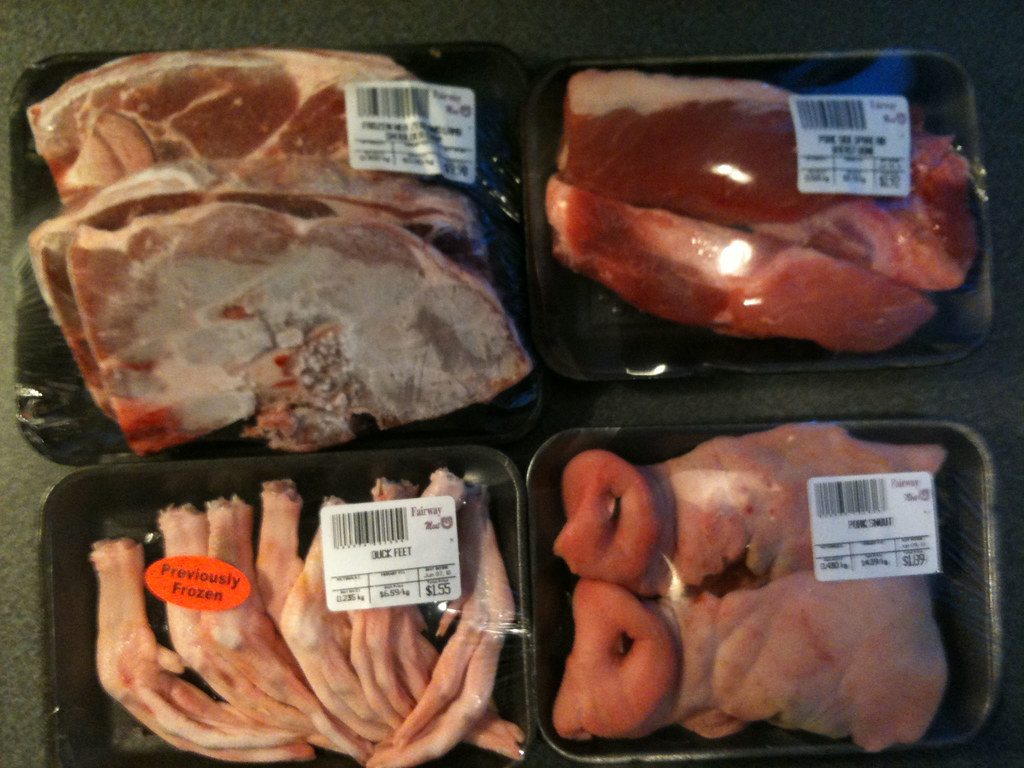
My neighbor knocked on my door last February holding a vacuum-sealed package of ground rabbit and a look on her face like she’d just discovered a religion. Her three-year-old vizsla, Copper, had been on kibble his whole life. She’d spent the past four months reading forum threads at midnight, watching YouTube breakdowns of prey model ratios, and ordering from three different small-batch raw pet food suppliers before she found a rotation she felt good about. “I’m spending more on his food than on my own,” she said. She wasn’t joking. The package in her hand cost $18.40 for two pounds.
Here’s the thing the raw feeding community rarely says out loud: the movement’s biggest problem in 2026 isn’t safety or nutrition science — it’s that nobody agrees on what “raw” even means anymore. A freeze-dried kibble-shaped product sitting on a shelf at a national pet retail chain gets called “raw.” So does a hand-portioned mix of grass-fed beef heart, green tripe, and chicken backs that someone’s assembling in their garage freezer at 6 a.m. Those two things are not the same product, they don’t carry the same risks, and they don’t produce the same results. But they wear the same label. That gap — between marketing and practice — is where most pet owners get lost.
1. The Landscape Has Fractured Into at Least Four Distinct Diets
When people say “raw diet” in 2026, they usually mean one of four things, and conflating them causes real confusion:
- Prey Model Raw (PMR): muscle meat, raw meaty bones, and organ meat in rough ratios meant to approximate what a wild carnivore eats. No vegetables, no supplements beyond maybe fish oil. The purist camp.
- BARF (Biologically Appropriate Raw Food): similar protein sources but with the addition of fruits, vegetables, and sometimes dairy. More flexibility, more debate about whether the plant matter is useful or just ballast.
- Commercial raw: pre-made frozen or refrigerated patties, nuggets, and chubs from established brands. Some are USDA-inspected; many are not. Convenient and increasingly available in major grocery chains.
- Freeze-dried and air-dried: technically raw by moisture content and processing temperature, but shelf-stable. This segment has grown fast — industry tracking data suggests it’s the fastest-growing subcategory in the broader premium pet food market over the past two years.
Each camp has its own forums, its own influencers, and its own orthodoxy. If you walk into a raw feeding Facebook group and mention you’re using a commercial patty, someone will tell you it’s “not real raw.” Walk into a vet’s office and mention prey model, and you may get a printout of a JAVMA article about nutritional deficiencies. Neither reaction is fully wrong. Both are incomplete.
2. What the Numbers Actually Show
Industry market research — specifically reports tracking the broader premium and fresh pet food category — consistently shows year-over-year growth in the raw and minimally processed segment. Estimates vary, but multiple sources tracking U.S. pet food retail suggest the raw and raw-adjacent category (including freeze-dried) now represents a meaningful slice of a pet food market that exceeds $50 billion annually in the U.S. That’s not a niche anymore.
On the safety side, the FDA has published guidance on raw pet food and Salmonella contamination risks that’s worth reading in full before you start. It’s not alarmist, but it’s specific: households with immunocompromised individuals, young children, or elderly residents carry meaningfully higher risk when handling raw meat products for pets. That’s a real consideration, not a scare tactic from the kibble lobby.
What the numbers don’t show — and this is where the conversation often goes sideways — is a clean, large-scale controlled study proving raw-fed dogs live longer or healthier lives than kibble-fed dogs. Those studies are hard to design and expensive to run. Observational data exists. Anecdotes are everywhere. Rigorous longitudinal evidence is still thin. Anyone telling you the science definitively proves raw is better (or definitively proves it’s worse) is overselling their position.
3. A Real Week of Feeding — With the Parts That Didn’t Work
My neighbor let me follow her feeding routine for a week in March. Copper is 55 pounds, moderately active. Here’s what the week actually looked like:
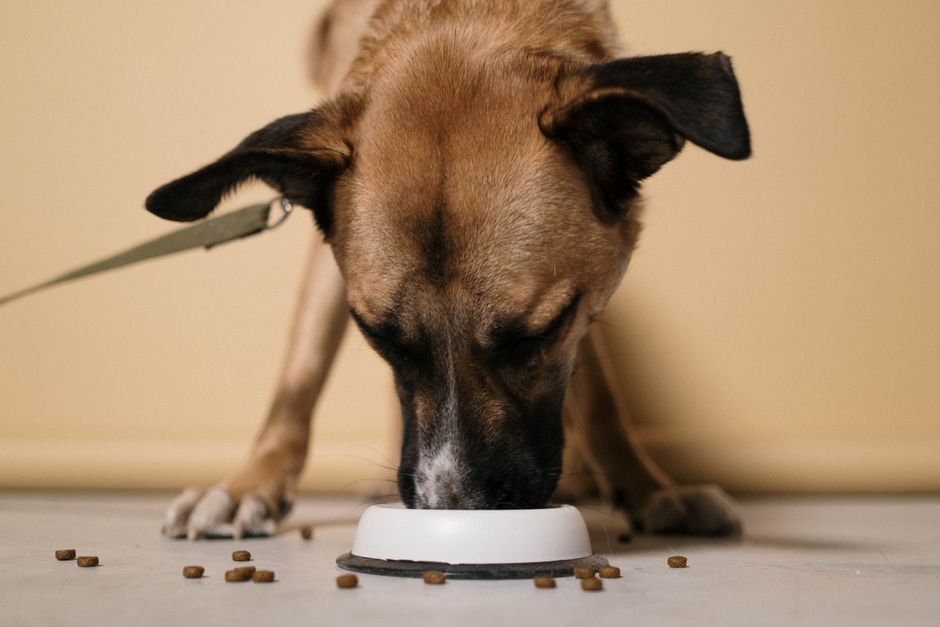
Monday through Wednesday: ground turkey and chicken mix from a small regional raw supplier she orders from every three weeks. Two 8-oz portions per day, morning and evening. Copper eats in under 90 seconds. Clean bowl every time.
Thursday: she ran out of the turkey mix and had to substitute a commercial frozen patty she keeps as backup. Copper got loose stools by Thursday evening. She’s not certain if it was the switch or something he sniffed on his walk. That ambiguity is real — you’re often debugging without clean data.
Friday: back on the usual rotation, added a raw sardine as a topper. Copper ignored the sardine completely and ate around it, which is genuinely funny if you’ve watched a dog do it.
Saturday: she forgot to pull the Sunday portion from the freezer to thaw in the fridge overnight. Scrambled at 7 a.m., ended up thawing in cold water in a sealed bag for 40 minutes, which is a method she hates but uses when she’s late. Fed 25 minutes behind schedule. Copper didn’t care. She did.
Sunday: raw meaty bone day — a chicken quarter. Copper took it to his crate. Done in eight minutes. She spent four minutes cleaning the crate mat.
That’s a raw feeding week. It’s not a meal prep montage. It involves a dedicated shelf in the fridge, a separate cutting board that never touches human food, and a standing order with a supplier. It also involves some guesswork, some workarounds, and a dog who has strong opinions about sardines.
4. The Vet Relationship Is the Part Nobody Talks About Honestly
A lot of raw feeders quietly don’t tell their vets what they’re feeding. That’s a problem, and I’ll say it plainly: hiding your pet’s diet from your vet means they’re working with incomplete information when something goes wrong.
The disconnect exists for understandable reasons. Many conventional veterinarians received minimal nutrition education in school — often just a few hours, frequently sponsored by major pet food companies. Some have strong negative reactions to raw feeding that aren’t grounded in current literature. That’s real, and it’s frustrating for owners who’ve done their homework.
But the answer isn’t to go underground. It’s to find a vet who will engage with the conversation, or to seek out a board-certified veterinary nutritionist if you’re serious about formulating a home-prepared diet. Board-certified veterinary nutritionists (the credential is DACVN) can help you build a nutritionally complete rotation. They’re not cheap, but one consultation can prevent years of guessing.
5. What Doesn’t Work — Opinions, Not Disclaimers
After paying attention to this space for a while, here are four approaches I’ve watched fail repeatedly:
- Going full PMR on day one. Transitioning a dog or cat that has eaten processed food for years to 100% raw prey model overnight almost always causes digestive upset. The gut microbiome needs time to adjust. A four-to-six-week gradual transition isn’t optional — it’s just biology.
- Using raw as a fix for every health problem. Raw feeding can be part of a good health strategy. It is not a cure for allergies, cancer, kidney disease, or behavioral issues. Owners who delay real veterinary care because they’re “waiting to see if the diet helps” sometimes make things significantly worse. I’ve seen it happen.
- Buying from any supplier without checking their testing practices. Not all commercial raw is created equal. A reputable supplier will test finished product for pathogens. If a company can’t tell you their testing protocol, that’s a red flag that has nothing to do with philosophy — it’s just food safety.
- Following a single influencer as a nutritional authority. There are charismatic people on social media with large followings who give very confident raw feeding advice. Confidence is not a credential. Cross-reference everything with actual veterinary nutrition resources.
6. Cats Are a Separate, More Complicated Conversation
Most raw feeding content defaults to dogs. Cats are obligate carnivores with stricter nutritional requirements — they cannot synthesize taurine, arachidonic acid, or vitamin A from plant precursors the way dogs can. A raw diet for a cat that isn’t properly balanced can cause serious deficiencies faster than most owners expect.
The other issue: cats are dramatically more finicky about texture and temperature. A cat that has eaten pâté-style wet food for five years may refuse anything with visible chunks at any temperature that isn’t exactly room temperature. Transitioning a cat to raw often takes longer than transitioning a dog — sometimes months — and some cats simply won’t accept it. That’s not failure. That’s a cat being a cat.
If you’re feeding raw to a cat, the case for working with a veterinary nutritionist is even stronger than with dogs. The margin for deficiency error is smaller.
7. The Freezer Space Question Is Not Trivial
People who write about raw feeding online often gloss over the logistics. A medium-sized dog eating 2% of body weight per day in raw food — a common starting estimate — goes through roughly 30 pounds of food per month. Freeze that. Now figure out where it lives in your house.
A dedicated chest freezer is the practical answer most long-term raw feeders land on. A small 5-cubic-foot chest freezer runs between $150 and $200 at most major appliance retailers and holds enough food for a month or more depending on your dog’s size. That’s a one-time cost that makes the whole system work. Trying to share freezer space with your own groceries is how people quit in month two.
Where to Actually Start This Week
If you’re considering raw feeding — or you’re already doing it but feeling like you’re winging it — here are three things small enough to do before Friday:
First: Read the FDA’s current guidance on raw pet food. It’s publicly available on their website. It takes 15 minutes. You don’t have to agree with all of it, but you should know what it says before you decide what to do.
Second: Ask your current supplier — or any supplier you’re considering — one specific question: “Do you test finished product for Salmonella and Listeria, and can you share your protocol?” The answer will tell you a lot about who you’re buying from.
Third: If you’re building a home-prepared diet from scratch, spend $75 to $150 on a single consultation with a board-certified veterinary nutritionist before you commit to a rotation. Not after six months of guessing. Before. One hour with the right person saves a lot of second-guessing later — and it’s the kind of investment that actually shows up in your pet’s bloodwork over time.
Copper, for what it’s worth, has gained muscle definition his vet noticed at his last annual exam. His coat is noticeably different. He also still won’t eat sardines. Some things raw feeding can’t fix.

Publicar comentário