Why Vets Are Recommending Insect Protein Dog Food Now

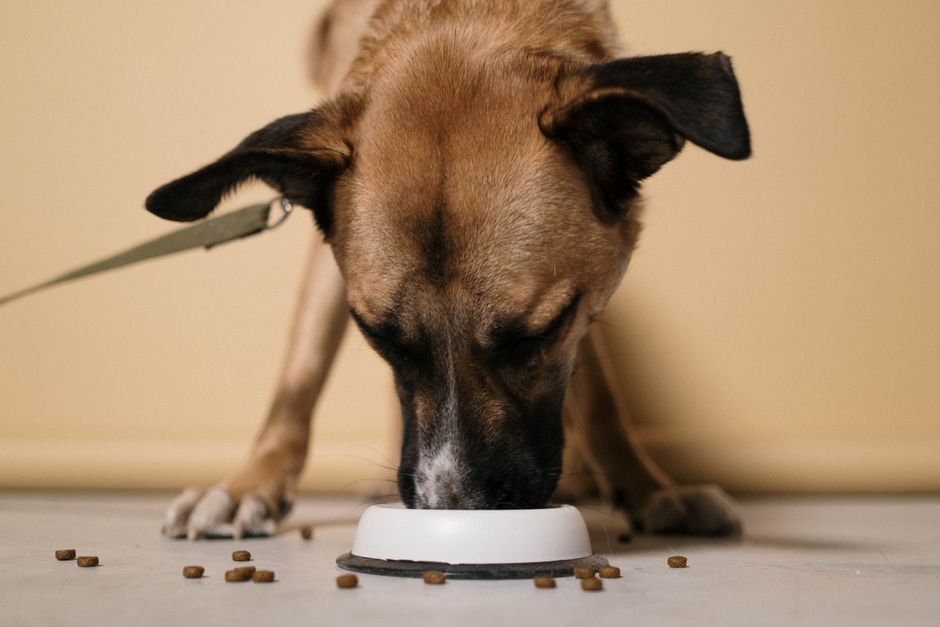
The bag sitting on the counter at my vet’s office last spring didn’t look like anything revolutionary. Small, matte packaging, a little logo of a black soldier fly on the front, priced around $48 for 10 lbs. My vet — a no-nonsense woman who has been practicing in suburban Denver for nearly two decades — pushed it toward me and said, “Try this for six weeks. I think you’ll stop coming in for the itching appointments.” My rescue mutt, a 45-pound mix who had been scratching himself raw since March, went through one bag. The vet visits for hot spots dropped from monthly to zero. I’m not saying that’s science. But I started paying attention.
Here’s the thing most pet owners get wrong about insect protein dog food: the conversation isn’t really about sustainability. Yes, insect farming uses a fraction of the land and water that chicken or beef production requires — that part is true. But the reason vets are actually recommending it now, in exam rooms rather than just in eco-conscious newsletters, is more specific than that. The real story is about dogs with food sensitivities, overloaded immune systems, and the surprisingly short list of proteins most commercial dog food brands actually use. Chicken is in almost everything. Beef is in most of the rest. When a dog’s immune system has been exposed to the same protein sources since puppyhood, sensitization happens. Insect protein — primarily from black soldier fly larvae — is what allergists would call a novel protein: most dogs have never encountered it, so their immune systems don’t react to it the same way.
1. The Novel Protein Problem Most Dog Owners Haven’t Heard Of
Food allergies and intolerances affect a meaningful percentage of dogs in the U.S., and chicken is consistently one of the top reported triggers — right alongside beef and dairy. The tricky part is that “limited ingredient” dog foods marketed for sensitive dogs often still contain chicken fat, chicken meal, or chicken broth buried in the ingredient list. Switching from one chicken-based food to another chicken-based food and seeing no improvement isn’t a mystery; it’s predictable.
Black soldier fly larvae (Hermetia illucens) sidestep this entirely. The protein is genuinely different at a molecular level from anything in conventional pet food. Industry research — including work published through veterinary nutrition channels over the past several years — has shown that novel insect protein can reduce allergic skin responses in dogs previously reacting to conventional proteins. A study published in a peer-reviewed veterinary journal found that dogs fed a hydrolyzed insect protein diet showed significant improvement in skin and coat condition over a 12-week period. The numbers aren’t dramatic marketing spin; they’re quiet, consistent clinical improvements that vets are noticing in practice.
One Denver-area veterinary dermatologist I spoke with described the shift in her recommendation patterns this way: “Three years ago I would mention it as an option. Now I bring it up before I reach for prescription hydrolyzed diets, because the compliance is better and the cost is lower.”
2. What the Ingredient Label Actually Tells You — and What It Hides
Walk down the dog food aisle at any major pet retail chain and you’ll see the word “protein” used loosely. “High protein” on the front panel means almost nothing without knowing the digestibility of that protein. Here’s a detail most people skip: protein digestibility matters more than protein percentage.
Insect meal — specifically dried, processed black soldier fly larvae — has shown digestibility rates in the 85–90% range in several feeding trials, comparable to high-quality chicken meal and higher than some plant-based protein blends. That means a food with 28% crude protein from insect meal may functionally deliver more usable amino acids than a food with 32% crude protein from a lower-digestibility source.
The amino acid profile is also worth noting. Insect protein is not deficient in the essential amino acids dogs need — a concern some pet owners raise when they first hear the words “bug food.” Methionine, lysine, threonine — the critical ones — are present at adequate levels. Some formulations are still supplemented to hit AAFCO standards, which is fine and transparent on the label.
One thing to watch for: some brands market “insect-inspired” foods that contain only a trace amount of insect meal, padded with potato protein or pea protein as the main protein source. If black soldier fly meal isn’t in the first three ingredients, it’s essentially a marketing label, not a meaningful formulation.
3. A Real Six-Week Trial — Including the Week It Didn’t Work
When my vet handed me that bag, she gave me a specific protocol: no other protein sources for 42 days. No chicken-based treats. No rawhide. No “just a little bit of my dinner.” This is where most elimination diet trials fall apart — not because the food doesn’t work, but because owners can’t hold the line on treats.
Week one was fine. Week two, my dog started eating the food more slowly, which I panicked about — turns out he just needed the transition to slow down further, so I mixed a small amount of his old food in for three more days. Week three through five, nothing dramatic. His scratching was maybe 30% less. I was skeptical. Week six: the hot spot behind his left ear, which had been a recurring problem for two years, was gone. His coat looked — I don’t have a more precise word — cleaner. Less dull.
The week it didn’t work was week four, when a family member gave him several handfuls of chicken-based training treats during a visit. He scratched through two nights. That’s not a failure of the diet; it’s a confirmation of the mechanism. The reaction to the chicken was, in a dark way, informative.
4. What Doesn’t Work: Four Common Approaches That Waste Time and Money
Having gone through this with my own dog and talked to enough people in vet waiting rooms, I have strong opinions about what doesn’t actually help:
- Rotating through “grain-free” foods as a solution to skin issues. Grain-free and novel protein are not the same thing. Many grain-free foods still use chicken or salmon as the main protein. The grain-free trend addressed a different hypothesis — one that didn’t fully hold up for most dogs — and it’s not the same intervention as a true protein switch.
- Adding omega-3 supplements without changing the protein source. Fish oil helps. It’s not a fix. If your dog is reacting to chicken protein and you add fish oil to chicken-based food, you’re managing inflammation on top of ongoing exposure. The supplement becomes a band-aid that lets you avoid the harder conversation.
- Doing a two-week elimination trial. Two weeks is not enough. The veterinary standard for a proper food elimination trial is 8–12 weeks. Most owners stop at three weeks, see partial improvement, conclude “it sort of helped,” and go back to the old food. Six weeks is the minimum to see meaningful data on a novel protein trial.
- Trusting front-of-bag claims without reading the ingredient list. “Insect protein” on the front of a bag that lists chicken meal second is not an insect protein diet. This is a marketing reality in 2026’s pet food market: the category has grown fast enough that the packaging has outrun the formulations at some companies.
5. The Environmental Angle Is Real — Just Not the Main Reason to Switch
Black soldier fly larvae can be raised on organic waste streams, require roughly 2% of the land that beef production needs per unit of protein, and produce significantly lower greenhouse gas emissions per kilogram of protein. These are real numbers, not greenwashing talking points — they’ve been documented in lifecycle assessments published by agricultural research institutions in Europe and increasingly replicated in U.S. context.
But I want to be honest about something: if your dog doesn’t have skin issues, doesn’t have digestive problems, and is thriving on a conventional diet, the environmental case alone probably won’t change your behavior at the pet store. That’s just how consumer decisions work. The reason this category is growing — industry tracking data suggests the insect protein pet food segment has expanded significantly in the past three years — is because it’s solving a real clinical problem for a real subset of dogs, and word is getting out through veterinary channels rather than just through Instagram ads.
6. How to Have the Conversation With Your Vet
Not every vet will bring this up unprompted. Some are still in a “let’s try a prescription hydrolyzed diet first” posture, which is legitimate — hydrolyzed diets work, they’re just expensive and often unpalatable to dogs. If your dog has recurring skin issues, ear infections that keep coming back, chronic loose stools, or a dull coat that doesn’t respond to supplements, it’s worth asking directly: “Have you considered a novel insect protein diet before going the prescription route?”
A vet who’s current on the literature won’t dismiss that question. If they haven’t seen the recent feeding trial data, that’s a useful conversation to have. Bring notes if you need to — there’s no rule that says the patient’s owner can’t do homework.
Three Small Things You Can Do This Week
You don’t need to overhaul your dog’s entire feeding routine by Thursday. Start smaller than that:
- Read the ingredient list on your current dog food — right now, not later. Count how many of the first five ingredients involve chicken, chicken meal, chicken fat, or chicken broth. If it’s three or more, and your dog has any recurring skin or digestive complaint, you have a data point worth discussing with your vet.
- Ask at your next vet appointment — even a routine one — whether a novel protein trial might be worth trying. Frame it as a six-week experiment, not a permanent switch. Vets respond well to that framing because it’s how dietary interventions are supposed to work.
- If you decide to try insect protein food, buy one small bag first. Some dogs don’t love the smell initially. A 4 lb or 5 lb trial bag tells you whether your dog will eat it before you commit to a 25 lb subscription. Palatability is a real variable — not every dog makes the switch smoothly, and that’s okay to find out cheaply.

Publicar comentário