Why Vets Are Adding Functional Mushrooms to Pet Food
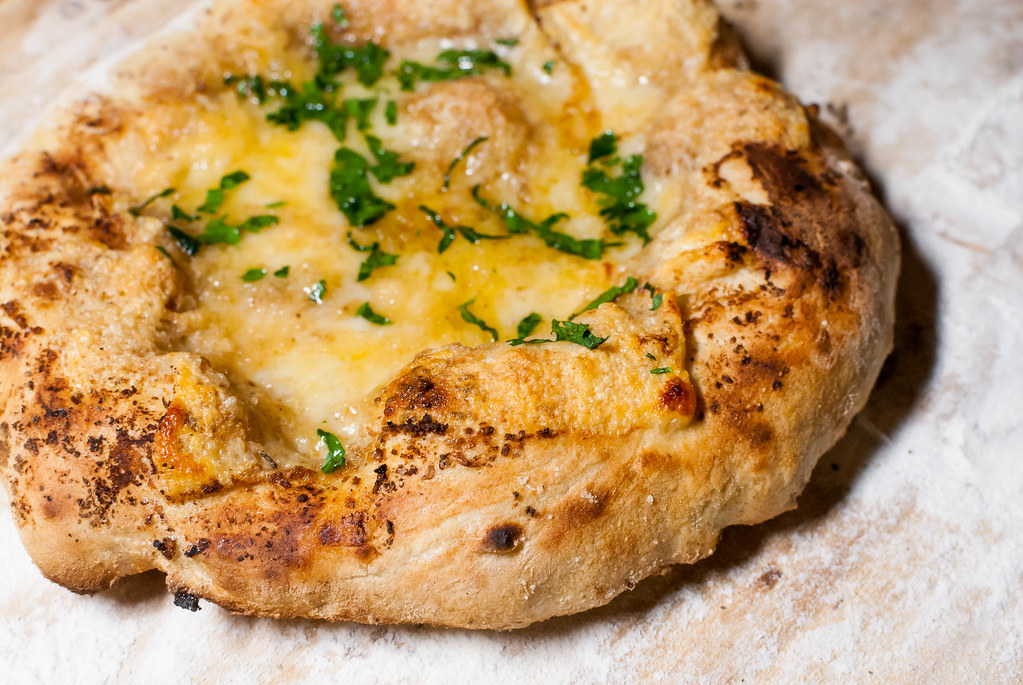
The bag sitting on the counter at my vet’s office last fall didn’t look like anything special — small kraft paper pouch, minimalist label, priced somewhere around $38 for a 60-serving bag. But when Dr. Patel handed it to me and said, “I’ve been recommending this for six months and the results are genuinely surprising me,” I paid attention. She doesn’t use the word “surprising” lightly.
The product? A functional mushroom blend designed specifically for dogs, meant to be mixed into regular food. Turkey tail, reishi, lion’s mane — the same names you see on the supplement shelf at Whole Foods, now showing up in your golden retriever’s dinner bowl.
Here’s the thing most pet owners miss, though: this isn’t really a story about mushrooms. The real story is that veterinary medicine is quietly acknowledging something it resisted for years — that food-as-medicine for pets is not just a marketing angle anymore, and the conventional kibble model has serious gaps in immune and cognitive support. Functional mushrooms didn’t walk through the front door of mainstream pet nutrition because they’re trendy. They walked in because vets started asking questions that standard pet food couldn’t answer.
1. The Science Behind the Hype — What These Mushrooms Actually Do
Let’s be specific, because vague claims are what killed the credibility of pet supplements for the better part of two decades.
Turkey tail (Trametes versicolor) contains polysaccharopeptides — PSP and PSK — that have been studied for their effects on immune modulation. There’s published veterinary research, including work out of the University of Pennsylvania’s School of Veterinary Medicine, looking at turkey tail’s role in supporting dogs diagnosed with hemangiosarcoma. The findings weren’t a cure, but the immune response data was strong enough to warrant continued investigation. That’s not nothing. That’s a respected institution spending grant money on a mushroom.
Reishi (Ganoderma lucidum) has been studied extensively in human contexts for its adaptogenic properties — meaning it helps the body regulate stress responses rather than simply suppressing or stimulating them. For aging dogs dealing with environmental stressors, chronic inflammation, or disrupted sleep cycles, that mechanism matters.
Lion’s mane (Hericium erinaceus) is the one neurologists talk about. It contains compounds called hericenones and erinacines that appear to stimulate nerve growth factor (NGF) production. In plain terms: it may support the growth and maintenance of neurons. For senior dogs showing early cognitive dysfunction — the circling, the nighttime confusion, the staring at walls — this is the mushroom getting the most attention from integrative vets right now.
Industry tracking data suggests the functional pet supplement market has grown significantly over the past three years, with mushroom-based products representing one of the fastest-moving subcategories. The numbers shift depending on the source, but the shelf space at retailers like PetSmart and independent pet boutiques tells its own story.
2. Why Vets Stayed Skeptical for So Long (And Why That’s Changing)
I want to be honest here, because I think the instinct to dismiss this stuff isn’t irrational — it’s actually the right starting point.
For years, the pet supplement industry had a quality control problem that was, frankly, embarrassing. Products that claimed X milligrams of an active compound often delivered a fraction of that. Third-party testing was rare. Marketing copy outran the evidence by miles. Vets who recommended supplements were sometimes seen as veering toward snake oil territory, and some of that reputation was earned.
What’s shifted since around 2022 is twofold. First, the formulation quality improved — companies started pursuing NSF certification, NASC (National Animal Supplement Council) quality seals, and third-party lab verification. That made it easier for evidence-based vets to recommend products without feeling like they were guessing. Second, the research base grew. Not to pharmaceutical-trial levels, but enough that a vet can point to peer-reviewed literature and say, “Here’s the mechanism, here’s the supporting data, here’s why I think this is worth trying.”
Dr. Patel told me she spent about a year reading before she made her first recommendation. That’s the kind of due diligence that separates a thoughtful clinical decision from a trend-chasing one.
3. A Real Case — What Six Weeks Actually Looked Like
My neighbor’s 11-year-old beagle mix, Copper, started showing what looked like canine cognitive dysfunction about eight months ago. Waking up at 2 a.m. and howling. Getting stuck in corners. Less interested in food. His regular vet ruled out pain and thyroid issues, then suggested they try a lion’s mane supplement alongside his existing diet before moving to pharmaceutical options.
Week one and two: nothing noticeable. My neighbor almost quit.
Week three: Copper slept through the night twice. Not every night — twice. But that was the first time in months.
By week six, the nighttime episodes had dropped from almost nightly to maybe once a week. He started finishing his meals again. His vet noted it at the follow-up and adjusted the recommendation to continue long-term.
Was it purely the lion’s mane? Impossible to say with certainty. They also slightly adjusted his feeding schedule and added a melatonin supplement at night. But the vet’s read was that the combination — with lion’s mane as the primary new variable — moved the needle in a meaningful way.
I’m sharing this not as proof, but as what a realistic outcome actually looks like. It wasn’t dramatic. It didn’t happen in a week. And it worked better alongside other interventions than as a standalone fix.
4. What Doesn’t Work — Four Common Mistakes Pet Owners Make
This is where I’ll be direct, because I’ve watched people spend money on this category the wrong way.
- Buying human mushroom supplements and splitting the dose. The bioavailability assumptions, the extraction methods, and the dosing calculations are different for dogs. A human reishi capsule isn’t calibrated for a 20-pound dog’s liver function. This feels like a money-saving hack; it’s actually just guessing.
- Choosing products based on ingredient lists alone. “Contains lion’s mane” means almost nothing without knowing the extraction ratio, whether the product uses the fruiting body or mycelium, and what the beta-glucan content actually is. Mycelium-only products grown on grain substrates often test low for active compounds. The label can look impressive and deliver almost nothing. Look for fruiting body sourcing and third-party beta-glucan verification.
- Expecting results in under two weeks. Functional mushrooms are not pharmaceuticals. They work through gradual immune and neurological modulation. If you quit at day ten because you haven’t seen a change, you haven’t actually run the experiment. Most integrative vets suggest evaluating at the six-to-eight-week mark.
- Using mushrooms as a replacement for a vet workup. This one I feel strongly about. If your dog is showing cognitive symptoms, immune issues, or chronic inflammation — get bloodwork, get a diagnosis, rule out treatable conditions first. Functional mushrooms are adjunct support, not a diagnostic shortcut. Using them to avoid a vet visit is how people miss something serious.
5. How These Ingredients Are Being Added to Pet Food (Not Just Supplements)
The supplement conversation is actually the earlier wave. What’s happening now — and this is where it gets interesting from a market standpoint — is that functional mushrooms are being incorporated directly into premium pet food formulations.
Several independent pet food brands have started adding turkey tail and reishi to their base kibble and freeze-dried recipes. The challenge is heat stability: many bioactive compounds in mushrooms degrade at the high temperatures used in kibble extrusion. That’s pushed some manufacturers toward freeze-dried or air-dried formats, where lower processing temperatures preserve more of the active compounds.
If you’re evaluating a mushroom-infused pet food, the question to ask is: what processing temperature was used, and has the finished product been tested for beta-glucan content? A brand that can’t answer that question probably hasn’t thought hard enough about whether the mushrooms in their formula are functional or decorative.
The better brands — and there are genuinely good ones emerging from smaller producers — are publishing their third-party lab results. That’s the bar. If a company is proud of what’s in the bag, they’ll show you the numbers.
6. What to Ask Your Vet Before Trying This
Not every vet is up to speed on functional mushrooms — and that’s fine. The landscape shifted fast. But if your vet is dismissive without engaging with the question, that’s worth noting too. The best vets I’ve talked to say something like, “I’m not deeply familiar with all the research, but let’s look at it together.”
A few concrete questions worth bringing to the conversation:
- Does my pet’s current health situation make them a reasonable candidate for immune-modulating supplements? (Some autoimmune conditions require caution.)
- Is there any interaction risk with their existing medications?
- Which mushroom would be most relevant given what we’re trying to address — immune support, cognitive function, or inflammation?
- What outcome should we be watching for, and at what point do we reassess?
That last question is the one most people skip. Having a defined checkpoint — “we’ll evaluate in eight weeks using these specific behavioral markers” — turns a vague experiment into something you can actually learn from.
7. The Honest Ceiling on What We Know
The research is real, but it’s not complete. Most of the clinical studies on mushrooms in veterinary medicine are small — dozens of animals, not thousands. Human data is more robust, but dogs aren’t small humans. Cats are even further from the existing research base, and dosing for felines remains more speculative.
That’s not a reason to dismiss the category. It’s a reason to stay calibrated about what you’re doing: making a reasoned bet based on available evidence, not following a proven protocol. The vets recommending functional mushrooms in 2026 are mostly integrative practitioners who are comfortable operating in that space. Conventional vets are warming up, but many are still waiting for larger trial data — and that’s a defensible position too.
What I’d push back on is the framing that “not enough research” means “no reason to try.” For a senior dog with cognitive decline, the risk profile of a well-sourced lion’s mane supplement is low and the potential upside is meaningful. Sometimes that math is worth running.
Your Next Three Steps — Keep Them Small
You don’t need to overhaul your pet’s diet this week. Here’s what actually moves things forward:
This week: Write down the one symptom or concern you’d most want to address — immune support, cognitive clarity, chronic inflammation. That single answer will tell you which mushroom to research first (turkey tail, lion’s mane, or reishi, respectively).
Before your next vet visit: Pull up the NASC website and look at what the quality seal actually requires. It’ll take you eight minutes and you’ll walk into that appointment knowing more than most pet owners asking about supplements.
When evaluating a product: Email the company and ask for their certificate of analysis showing beta-glucan content in the finished product. If they send it within 48 hours and the numbers look real, that company is worth your money. If they send marketing copy instead, keep looking.
That’s it. Three small moves. The rest follows from there.

Publicar comentário