How to Manage Your Cat’s Diabetes Without Daily Stress
According to the American Veterinary Medical Association, diabetes mellitus affects roughly 1 in 230 cats in the United States — a number that’s been climbing steadily as indoor, sedentary lifestyles and high-carbohydrate dry food diets have become the norm for American house cats. I spent years working alongside veterinary internists in a specialty clinic setting, and I can tell you: the diagnosis hits owners hard. Not because of the disease itself, but because of everything people imagine it demands.
Most people picture twice-daily insulin injections, obsessive glucose monitoring, and a calendar that revolves entirely around their cat. Some of that is true. But what I watched happen, over and over, was families making feline diabetes harder than it needed to be — through misinformation, anxiety spirals, and genuinely well-meaning but exhausting routines that burned them out within months.
So let me answer the questions I heard most, and be straight with you about what actually matters.
Is insulin really something I can learn to give at home?
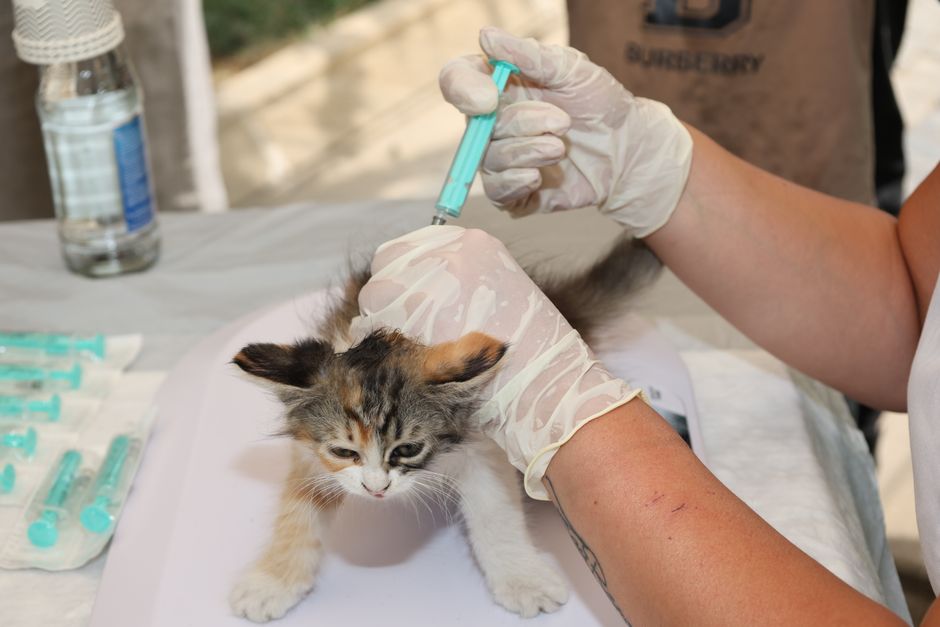
Yes — and faster than you think. I’ve watched people who were terrified of needles become completely comfortable with the process within a week. The insulin needles used for cats are short, extremely fine-gauge syringes. Most cats barely react, especially when you inject into the scruff of the neck during mealtime, when they’re distracted and eating.
The learning curve is real, but it’s short. Veterinary teams will typically walk you through the first injection before you leave the clinic. My honest advice: don’t practice on a piece of fruit or a pillow. Ask to practice on your actual cat, with the actual syringe, while someone is there to guide you. The tactile experience on a cat is completely different, and doing it once in a supervised setting removes most of the fear.
What I saw derail people wasn’t the injection technique — it was the anxiety around doing it wrong. Give yourself two weeks before you judge how you’re doing. By week three, most people tell me it feels like nothing.
How do I know what dose is right, and what if I give too much?
Dosing is your vet’s job, full stop. Do not adjust insulin doses based on anything you read online, including this article. Your vet will start your cat on a conservative dose and titrate upward based on glucose curves — a series of glucose readings taken throughout the day to see how the cat responds.
That said, you should know what hypoglycemia looks like because it’s the real danger with insulin. Signs include sudden weakness or wobbly walking, extreme lethargy, trembling, seizures, or collapse. If your cat shows any of those signs after an injection, rub corn syrup or regular Karo syrup on their gums immediately and call your vet or an emergency animal hospital. Keep something sweet in the house. This is non-negotiable.
The fear of overdosing is legitimate, but it shouldn’t stop you from giving insulin at all. The more common risk in unmanaged diabetic cats isn’t hypoglycemia — it’s diabetic ketoacidosis from undertreated high blood sugar. That condition puts cats in the hospital.
Do I really need to check blood glucose at home?
This is where I’ll give you an opinion that some vets won’t say out loud: home glucose monitoring is one of the best investments you can make, but it’s not mandatory for every cat or every household.
Here’s the nuance. Glucose curves done at the vet clinic are useful, but they’re often skewed high because cats are stressed in clinical environments — a phenomenon called stress hyperglycemia. A cat who reads 380 mg/dL at the vet might be running 200 mg/dL at home. That matters a lot when your vet is trying to adjust a dose.
Home monitoring — using a human glucometer or a pet-specific device — gives a far more accurate picture of your cat’s actual daily glucose levels. It also lets you catch dangerous lows before they become emergencies. If you’re willing to learn the ear-prick technique, the data you bring to your vet’s appointments will genuinely improve your cat’s care.
But if the idea of ear-prick monitoring makes this whole thing feel impossible? Don’t let perfect be the enemy of good. Plenty of cats are managed successfully on scheduled vet glucose curves alone. Talk to your vet about what makes sense for your specific situation.
Does diet actually matter that much, or is it just the insulin doing the work?
Diet matters enormously — and this is the piece I think gets undersold during that first diagnosis appointment, when owners are already overwhelmed and mostly just heard “your cat needs insulin twice a day.”
Cats are obligate carnivores. They evolved eating prey animals, which are high in protein and fat and very low in carbohydrates. Most commercial dry kibble, even premium brands, contains anywhere from 30 to 50 percent carbohydrates — and for a diabetic cat, that’s a problem. Carbohydrates spike blood glucose. Lower carbohydrate diets can dramatically reduce insulin requirements, and in some cats, they can contribute to diabetic remission.
Diabetic remission — where a cat no longer requires insulin — happens more frequently than most people realize. Research published in the Journal of Veterinary Internal Medicine has documented remission rates in cats managed on low-carbohydrate, high-protein diets combined with appropriate insulin therapy. It doesn’t happen in every cat, and it’s more likely in cats caught early and managed consistently, but it’s a real possibility worth working toward.
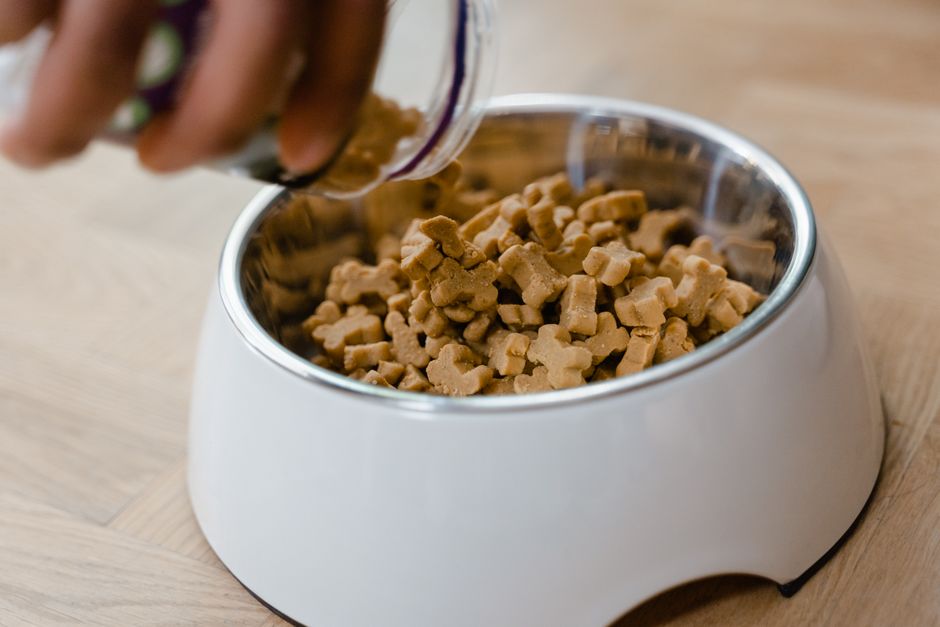
What I recommend: ask your vet about transitioning to a high-protein, low-carbohydrate canned or wet food diet. Dry food convenience is understandable, but for a diabetic cat, the carbohydrate load is a constant upstream battle against your insulin doses.
What does a realistic daily routine actually look like?
When I explain this to someone who’s just gotten the diagnosis, I try to reframe it: you’re not adding hours to your day. You’re adding about 15 minutes, twice a day.
Here’s a simple, workable rhythm:
- Feed your cat first. Always give insulin after or during a meal — never to a cat who hasn’t eaten. If your cat refuses to eat, skip the injection and call your vet.
- Give the injection while they’re eating. The distraction makes it easier for both of you.
- Log it. Keep a simple notebook or use a free app to record the time, dose, and whether your cat ate normally. This log becomes incredibly valuable at vet appointments.
- Check glucose if you’re monitoring at home — this takes about two minutes with an ear-prick.
The hardest part, honestly, is the consistency. Cats do best when insulin is given approximately 12 hours apart. That doesn’t mean you need to be home at exactly 7:00 AM and 7:00 PM every single day for the rest of your cat’s life — a window of plus or minus an hour is generally fine. But radical schedule shifts, skipped doses, or irregular feeding times do cause glucose instability. If your life is genuinely unpredictable, talk to your vet about whether a longer-acting insulin with more flexibility suits your cat.
What should I actually watch for day-to-day?
Beyond the hypoglycemia signs I mentioned earlier, there are patterns that tell you whether management is working or slipping.
Signs things are going well: your cat’s energy is normal, they’re drinking and urinating at a reasonable frequency (excessive thirst and urination are classic signs of high blood sugar), they’re maintaining weight, and their coat looks healthy.
Signs something’s off: sudden increase in thirst or urination after a period of stability, significant weight loss despite eating, vomiting, lethargy, or a sweet/fruity smell to the breath — that last one can indicate ketones, which is a medical emergency.
One thing that surprised me early in my clinic work: owners often knew something was wrong before any test confirmed it. They’d come in saying “she just seems different” or “he’s drinking more again.” Trust that instinct. You see your cat every day. A single glucose reading taken during a vet visit can miss a lot; your ongoing observation catches things no test can.
Is this financially manageable for most people?
I won’t sugarcoat it: feline diabetes has ongoing costs. Insulin, syringes, monitoring supplies, and more frequent vet visits do add up. The exact numbers vary depending on which insulin your vet recommends, your location, and how often you’re monitoring.
What I can tell you is that costs are often lower than the initial panic suggests, especially once the cat is stabilized. Some insulins used in cats — like glargine, which goes by the brand name Lantus — are available at human pharmacies, sometimes at significantly lower cost than purchasing through a veterinary clinic. Always ask your vet if a human pharmacy option is appropriate for your cat’s specific insulin type.
Pet insurance that covers chronic conditions, if you’re starting a new policy before diagnosis, can offset ongoing costs considerably. After diagnosis, most insurers will classify it as a pre-existing condition and exclude it — that’s a conversation worth having before you need it.
The cats I saw do worst financially weren’t the ones whose owners spent the most on monitoring equipment. They were the ones who delayed vet visits when something seemed off because they were worried about the bill. Early intervention is almost always cheaper than emergency care.
What about the emotional weight of all this?
This doesn’t get talked about enough in clinical settings, and I think that’s a mistake.
Managing a diabetic cat is a long-term commitment, and it comes with real emotional labor. There’s the guilt when a dose is late, the fear every time your cat seems tired, the grief that creeps in when you realize your relationship with your pet has changed — they need you in a more specific way now. That’s a lot.
What helped owners I worked with was finding a community. Online forums and groups specifically for people managing diabetic cats — there are several active ones on Facebook and Reddit — can be genuinely valuable. Not for medical advice (always go to your vet for that), but for the emotional reality of the day-to-day. Hearing someone else say “I’ve been doing this for three years and my cat just hit remission” does something that no clinical pamphlet can.
Give yourself permission to feel stressed about this and also to get better at it. Those two things can coexist.
One thing that changes everything
If I had to give you a single recommendation — one shift that I’ve seen make more difference than any piece of equipment, any monitoring schedule, any diet tweak — it’s this: establish a consistent feeding and injection schedule and protect it like it matters, because it does.
Not perfect. Not rigid. Consistent. Cats are metabolically sensitive to timing in ways that dogs simply aren’t, and glucose regulation in a diabetic cat is directly influenced by the predictability of meals and insulin. The owners who found this manageable and low-stress weren’t the ones with the fanciest glucometers or the most detailed logs. They were the ones who made 8 AM and 8 PM — or whatever their window was — as automatic as making coffee. Everything else follows from that.
Consistency turns this from a daily crisis into a daily routine. And a routine, even one that involves needles, is something you can live with.


Publicar comentário