Why Your Dog’s Paw Hygiene Matters More Than You Think
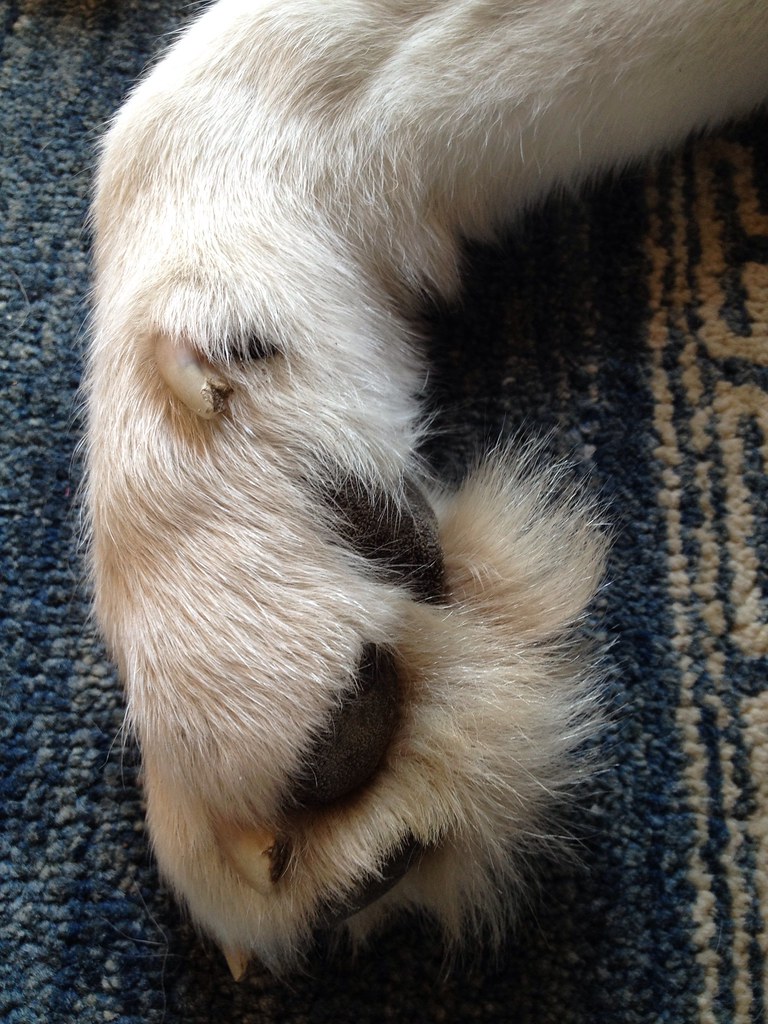
It was a Tuesday evening, maybe 7:15 p.m., and my dog Rufus came trotting in from the backyard with something brown and chunky packed between his toes. He’d stepped through a patch of mud near the fence — the kind that stays wet all week in late winter — and tracked it across the kitchen floor, then the couch cushion, and finally my laptop bag before I caught him. That was annoying. What I didn’t know at the time was that the mud wasn’t the actual problem. The cracked, slightly swollen skin underneath it was.
Most dog owners think about paw hygiene the way they think about cleaning out the car: something you do when it gets bad enough to notice. But the real issue isn’t the visible dirt. The real issue is what builds up between cleaning sessions — moisture, bacteria, yeast, and road chemicals — quietly doing damage while the paws look fine from a distance. By the time you notice a dog licking obsessively at one foot or limping slightly on a walk, the irritation has usually been going on for weeks. You’re not behind on cleaning. You’re behind on paying attention.
1. What’s Actually Living Between Your Dog’s Toes
Dog paws are warm, often damp, and — especially in breeds with furry feet like Cocker Spaniels or Golden Retrievers — poorly ventilated. That’s a near-perfect environment for yeast and bacteria to thrive. Interdigital cysts, which are painful, fluid-filled bumps that form between the toes, are more common than most people realize, and they’re almost always linked to chronic moisture and low-grade bacterial presence.
Industry data from veterinary practice groups suggests that paw-related issues — infections, yeast overgrowth, contact dermatitis — are among the top reasons dogs visit the vet outside of routine checkups. It’s not a minor category. One analysis from a large veterinary network found paw and skin conditions collectively accounted for a significant share of non-emergency vet visits annually.
Here’s what’s worth knowing: sidewalk salt and ice melt products used across northern states from November through March are genuinely caustic. The chemical formulations — many containing calcium chloride or magnesium chloride — can cause chemical burns on unprotected paw pads, especially if the dog walks on heavily treated surfaces and then licks their feet. That’s not a fringe concern. If you’ve ever seen your dog shaking one paw rapidly after a winter walk in a city like Chicago or Minneapolis, that’s not them being dramatic.
2. The Wipe-Down Habit That Actually Works (And When It Doesn’t)
The single most effective daily habit is the post-walk wipe. Not a full bath, not a paw soak — just a damp cloth or a dedicated pet wipe that you keep near the door. Thirty seconds, four paws, done. This removes surface debris, salt residue, lawn chemicals, and allergens before they have time to absorb or get licked off.
I used a small basket near my back door with a rolled-up microfiber cloth and a bottle of plain water — nothing fancy. It took about two weeks before it became automatic, and honestly there were days I forgot entirely, especially on rushed mornings. But even five out of seven days a week made a noticeable difference in how often Rufus was chewing at his feet.
The catch: wipes only work if the paws actually dry afterward. Sealing moisture in between the toes by wiping and then immediately putting on dog boots or letting the dog lie in a warm bed while still damp defeats the purpose. Let the paws air out for a few minutes. Sounds obvious, but it’s the step most people skip.
3. Trimming the Fur Between the Toes — The Step Most Owners Skip
If your dog has hair growing between their paw pads — and many breeds do — that fur mats, collects debris, and holds moisture against the skin. It’s one of the most overlooked contributors to recurring paw problems. A groomer will usually handle this as part of a full groom, but in between appointments, it’s worth doing yourself with a small pair of rounded-tip scissors or a quiet electric trimmer.
You’re not trying to make the paw look perfect. You’re just keeping the fur level with the pads so it doesn’t act like a sponge. For a medium-sized dog with moderate paw fur, this takes maybe four minutes and needs to happen every three to four weeks, not every day. The main challenge is getting a dog to hold still — which is a whole separate conversation involving treats and patience.
Nail length matters here too. Overgrown nails force a dog to distribute their weight unevenly, which over time changes how they walk and can lead to joint stress in the legs and hips. The general rule of thumb: if you can hear the nails clicking on a hard floor, they’re too long. A vet or groomer can trim them, or you can learn to do it at home with proper nail clippers and styptic powder in case you nick the quick.
4. Paw Balms — Useful Tool or Overpriced Gimmick?
Paw balms are legitimate. They’re not a cure-all, but for dogs that spend time on hot pavement in summer or icy sidewalks in winter, a good balm creates a protective barrier on the pads. Look for products with natural waxes and butters — ingredients like shea butter, beeswax, or coconut oil are commonly used in reputable formulations. There are several established pet brands that make these; you’ve probably seen them at PetSmart or your local vet’s office.
What I’d avoid: anything with artificial fragrance or ingredients you can’t pronounce, since dogs lick their paws constantly and whatever goes on them goes in them. Also avoid human hand lotions — they’re formulated for human skin pH and can actually soften the pads too much, making them more vulnerable to cuts and abrasion.
Apply balm before a walk in extreme conditions, not after. That’s the direction most packaging gets wrong — or at least undersells. Applying it after a hot pavement walk when the pads are already stressed is better than nothing, but the protective use is preventative.
5. What Doesn’t Work — Opinions Ahead
Let’s be direct about a few approaches that get recommended constantly but don’t hold up in practice:
- Daily full paw soaks in diluted apple cider vinegar. This gets passed around in dog owner Facebook groups like it’s gospel. The idea is that the acidity combats yeast. The reality is that unless you’re doing it consistently, at the right dilution, and drying the paws completely after — which almost no one does — you’re more likely to create the warm, damp environment you’re trying to prevent. It’s also stressful for a lot of dogs. Save it for targeted use if a vet recommends it, not as a daily ritual.
- Dog boots as a substitute for cleaning. Boots are great for certain situations — icy roads, hot asphalt, construction sites. But relying on them as your primary hygiene strategy means you’re often sealing in whatever was already on the paw. They also need to be cleaned regularly themselves, which defeats the “easier” logic.
- Ignoring one paw because the dog only licks that one. This one sounds obvious but it’s surprisingly common. If a dog is obsessively attending to one specific paw, there’s a reason — and it usually needs a vet look, not just more frequent wiping. I made this mistake with Rufus for about six weeks before a vet pointed out a small cut that had started to close over debris.
- Waiting for a groom appointment to address obvious irritation. Groomers are great but they’re not diagnosticians. Redness between the toes, swelling, discharge, or a dog that yelps when you touch their foot — those need a vet, not a grooming session. Don’t let a two-week wait for an appointment become a two-week delay in treatment.
6. A Week of Paw Care — Realistic Version
Here’s what an actual week looked like after I got more intentional about this:
Monday through Friday: Post-walk wipe with a damp microfiber cloth, both front and back paws. Takes under a minute. Missed it Thursday because I was running late to a work call and Rufus had already jumped on the couch. Not ideal, but not a catastrophe.
Wednesday evening: Quick check of the interdigital spaces — just pressing gently between each toe and looking for redness, swelling, or anything that felt warmer than the surrounding skin. All clear. This sounds more clinical than it is; it’s basically just running your fingers through the paw for thirty seconds while the dog sits next to you on the couch.
Saturday morning: Applied a thin layer of paw balm before a longer walk on concrete paths. The weather was dry but the pavement had been hot earlier in the week. More of a precaution than a necessity.
Sunday: Checked nail length. One front nail was starting to click. Made a mental note to trim later in the week — which I actually did, on Tuesday, with the dog distracted by a Kong stuffed with peanut butter. The whole process took about eight minutes including cleanup.
Nothing here is heroic. It’s just consistent attention spread across the week instead of a panicked deep-clean when something looks wrong.
7. When to Stop DIY-ing and Call the Vet
Paw hygiene is largely a maintenance task — but there are clear signals that you’ve moved past maintenance into medical territory. A vet visit makes sense when you see:
- Persistent licking or chewing of one or more paws that doesn’t stop after a few days of extra cleaning
- Visible swelling, redness between the toes, or any discharge
- A paw pad that looks cracked deeply enough to bleed or that has an unusual texture (overly soft, rough, or discolored)
- A limp that doesn’t resolve after a day of rest
- Any smell coming from the paws — a distinct corn chip or yeasty odor often signals a yeast overgrowth that needs treatment
Catching these things early is genuinely cheaper and less stressful — for you and the dog — than treating an established infection. A mild yeast issue caught at week two is a topical treatment. The same issue ignored until week eight might involve oral antifungals and multiple vet visits.
Start Here — Three Small Things This Week
Don’t redesign your entire dog care routine. Just do these three things:
Put a cloth near your door today. A small square of microfiber, an old hand towel — anything. The act of placing it there is half the battle. The habit builds around the prop.
Check between your dog’s toes tonight. Not a full inspection — just five fingers, gentle pressure, a quick look. You’re just establishing the baseline so you’ll notice when something changes.
Look up the nail-clicking test. Walk your dog across a hardwood or tile floor and listen. If you hear clicking, schedule a nail trim this week — with a groomer, your vet’s office, or at home if you’re comfortable. It’s a ten-minute fix that pays off in joint health over years.
Rufus is nine now. His paws have seen mud, sidewalk salt, hot Texas asphalt, and at least one unfortunate encounter with a fire ant mound. They’re in good shape — not because I’m obsessive about it, but because the small habits stacked up over time. That’s the whole thing, really.

Publicar comentário