Which Pet Vaccines Your Vet Actually Recommends for 2026
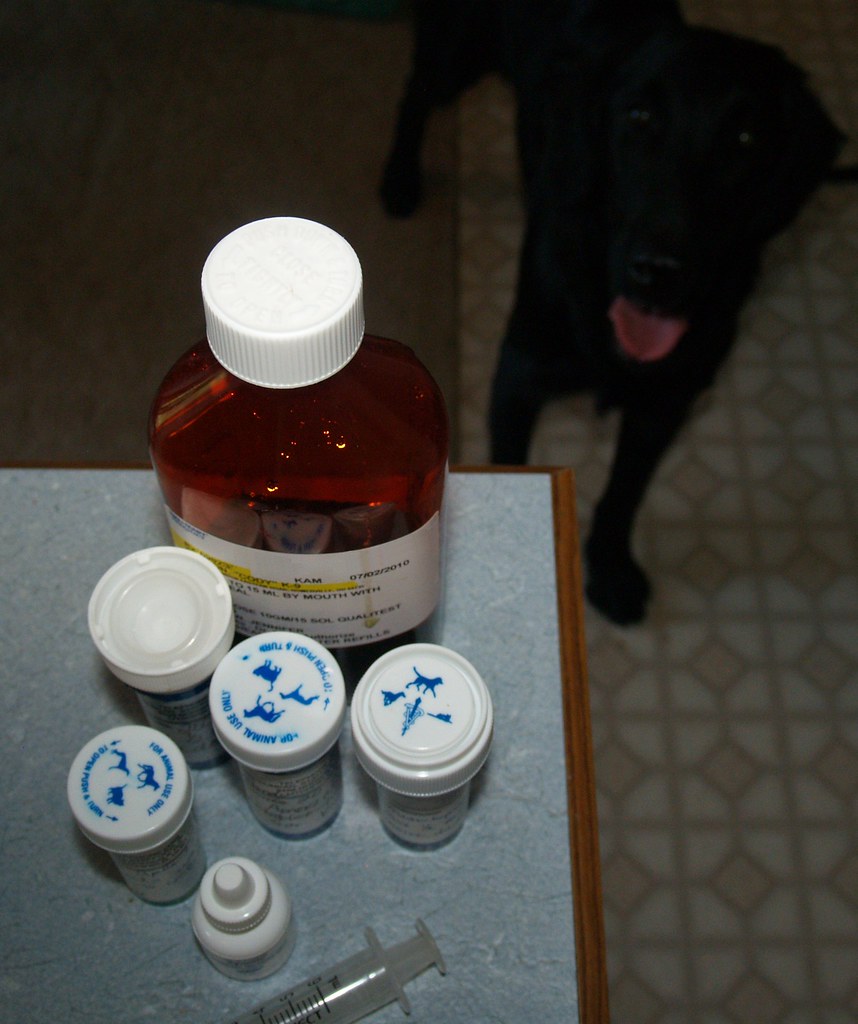
The vet tech called my name at 9:12 a.m. on a Tuesday, and my dog Luna — a five-year-old beagle mix with absolutely zero chill — immediately tried to bolt under the waiting room chairs. Same routine, every single year. But here’s the thing: I used to dread that visit not because of Luna’s anxiety, but because I genuinely didn’t know which vaccines she actually needed versus which ones were just… automatic upsells. I’d nod along, hand over my credit card, and leave feeling vaguely guilty for not asking more questions.
If that sounds familiar, you’re not alone. And the real issue isn’t that pet owners don’t care about vaccines — it’s that most of us have no idea there’s a difference between vaccines your pet must have and vaccines that depend entirely on where you live, how your pet lives, and what risks are actually in your zip code. The conversation around pet vaccination has quietly shifted in 2026, and your vet — a good one, anyway — is no longer just handing you a one-size-fits-all schedule.
Core Vaccines: The Non-Negotiables for Dogs and Cats
Let’s start with what’s not really up for debate. The American Animal Hospital Association (AAHA) and the American Association of Feline Practitioners (AAFP) both maintain vaccination guidelines that distinguish “core” vaccines — the ones every dog or cat should receive regardless of lifestyle — from “non-core” vaccines that are situational.
For dogs, the core list looks like this:
- Rabies — legally required in most U.S. states, full stop.
- Distemper — attacks the respiratory and nervous systems, and it’s brutal.
- Parvovirus — especially dangerous in puppies; spreads fast in high-traffic areas like dog parks.
- Adenovirus (Hepatitis) — usually bundled in the DA2PP combo shot.
For cats, the core vaccines are:
- Rabies — yes, even for indoor cats in most states.
- Feline herpesvirus type 1 and calicivirus — both upper respiratory, both common.
- Feline panleukopenia — the feline version of parvo, and just as serious.
These haven’t changed dramatically in 2026, but what has changed is the conversation around booster timing. Some adult pets who’ve been consistently vaccinated may now be placed on three-year schedules rather than annual ones, depending on the vaccine and the animal’s titer levels — a blood test that measures existing immunity. Not every vet offers titer testing routinely, but more are starting to, especially in urban practices.
Non-Core Vaccines: Where Geography and Lifestyle Actually Matter
This is where I spent years just nodding without understanding. Non-core vaccines aren’t optional because they’re less serious — they’re optional because the risk varies wildly depending on where you are and how your pet spends its days.
For dogs, the main non-core vaccines your vet might bring up include:
- Bordetella (kennel cough) — if your dog goes to daycare, boarding, or dog parks, most facilities require this. It’s not glamorous, but it’s practical.
- Leptospirosis — if you live near water, hike with your dog, or are in a region with known lepto cases, this one matters a lot more than people realize. Some vets in the Pacific Northwest and parts of the Southeast are recommending it almost universally now.
- Lyme disease vaccine — relevant if you’re in tick-heavy areas like the Northeast, upper Midwest, or mid-Atlantic. I live outside of Philadelphia, and my vet started treating this as near-core about two years ago.
- Canine influenza (H3N2 and H3N8) — more relevant for dogs in high-contact environments. If there’s been an outbreak in your region, your vet may push this harder.
For cats, non-core options include:
- Feline leukemia virus (FeLV) — AAFP now recommends this for all kittens, and for adult cats with outdoor access or multi-cat household exposure. It’s moved toward semi-core status in recent guidelines.
- Chlamydia felis — relevant mainly in multi-cat environments or shelters with documented respiratory outbreaks.
What a Real Appointment Looks Like When the Vet Actually Engages
I switched vets about eighteen months ago — not because my previous vet was bad, but because I wanted someone who’d talk to me instead of just scanning my pet’s chart and handing me a printout. At my first appointment with the new practice, the vet spent about seven minutes asking me specific questions before recommending anything: Does Luna swim? Does she go to boarding or daycare? Have I seen her rolling in anything near standing water? Do we hike?
The result was a different recommendation than I’d gotten for three years straight. She dropped canine influenza (Luna barely socializes outside our yard) and added leptospirosis (we hike along creek beds in Chester County, Pennsylvania at least twice a month). The price difference was almost nothing, but the logic was completely different — based on Luna’s actual life, not a default protocol.
That’s the 2026 shift. Practices that are keeping up with current guidelines are doing lifestyle assessments, not just annual checklists. If your vet isn’t asking those questions, it’s worth bringing them up yourself.
What Doesn’t Work: Four Common Approaches That Fall Short
I have opinions here. Some of the most common ways people handle pet vaccines are genuinely counterproductive, and I’d rather say that directly than dance around it.
- Skipping vaccines because your pet “never goes outside” or “never gets sick.” This one is the most common rationalization I hear. Indoor cats still get rabies vaccines required by law in most states — and more importantly, “never goes outside” isn’t a permanent guarantee. Escapes happen. Emergencies happen. A cat that’s never been vaccinated and ends up at an emergency vet after getting out is in a worse position than one who was current on core vaccines.
- Googling your pet’s vaccine schedule instead of asking your vet to walk you through it. General online schedules are fine for background knowledge, but they don’t know whether there’s an active leptospirosis cluster in your county or whether your local boarding facility just had a kennel cough outbreak. Regional context matters.
- Assuming last year’s protocol is still right this year. Your pet’s lifestyle changes. You move. You start hiking. You add a second pet. You switch from boarding to a dog walker. Any of those changes the risk calculation. A vaccine that wasn’t relevant at 2 years old might be genuinely important at 6.
- Treating every vaccine add-on as an upsell to resist. I get the skepticism — veterinary costs are real, and the industry has had its share of over-treatment concerns. But rejecting a Lyme vaccine because it feels like an upsell, when you live in Connecticut and walk your dog through wooded trails three times a week, is a false economy. The cost of treating Lyme disease in a dog is significantly higher than the cost of the annual vaccine. Industry data consistently shows this gap.
The Titer Test Conversation You Should Be Having
Titer testing — checking your pet’s blood for existing antibodies — has become a real option for some pet owners who want to avoid over-vaccination. It’s not for everyone, and it comes with its own costs (typically between $75 and $150 depending on the panel and your vet’s pricing). But for adult dogs and cats who have been consistently vaccinated, some vets now use titer results to justify skipping certain boosters when immunity is still demonstrably present.
The important caveat: rabies vaccines are legally required regardless of titer results in most U.S. jurisdictions. Titer testing doesn’t exempt your pet from state law. Some states have started accepting titers as documentation for certain situations, but this is state-by-state and not universal. Check your local ordinances — don’t assume.
Also worth knowing: not all vaccines produce reliably measurable titer responses. Leptospirosis titers, for example, are less predictive of protection than distemper or parvovirus titers. Your vet should be able to tell you which tests are actually informative for your pet’s specific vaccine history.
Puppies, Kittens, and the First-Year Schedule
If you just brought home a new animal, the schedule is more compressed and more important. Puppies and kittens are in a window where maternal antibodies from their mother are waning and their own immune systems are still developing. Missing a shot in that first-year series isn’t just a scheduling inconvenience — it can leave a gap in coverage at the most vulnerable stage.
Typical puppy core vaccines start around 6 to 8 weeks and run through 16 weeks, with boosters scheduled every 3 to 4 weeks during that window. Kittens follow a similar pattern. The exact timing depends on when you acquire the animal and what vaccines they’ve already received — rescue organizations and breeders vary widely in what they’ve already administered before you bring the pet home. Always ask for documentation and bring it to your first vet appointment.
One thing that trips people up: a puppy who received one DA2PP shot at 8 weeks from the breeder is not considered fully vaccinated. The series has to be completed. This is one of the most common gaps I see discussed in online pet communities — someone thinks their dog is covered because they got “a puppy shot,” and they’re not.
Three Small Things You Can Do This Week
You don’t need to overhaul anything. Three moves:
- Pull out your pet’s vaccination records today — physical or digital — and check the dates on each vaccine. If anything is past due or you can’t find the records at all, that’s your first call to make.
- Before your next vet visit, write down three things about your pet’s lifestyle that have changed in the past year: new activities, new exposures, new environments. Bring that list and ask your vet whether any of those changes affect your vaccine recommendations.
- Ask specifically about titer testing if your adult pet has been on a consistent vaccine schedule for more than three years. It might not change anything — but it’s a conversation worth having, and a good vet will give you a straight answer about whether it’s worth the cost for your specific animal.
Luna still tries to hide under the waiting room chairs every time. But at least now I know exactly why we’re there — and what we’re actually protecting her against.




Publicar comentário