Axolotl Ownership Guide: What First-Time Keepers Actually Need to Know
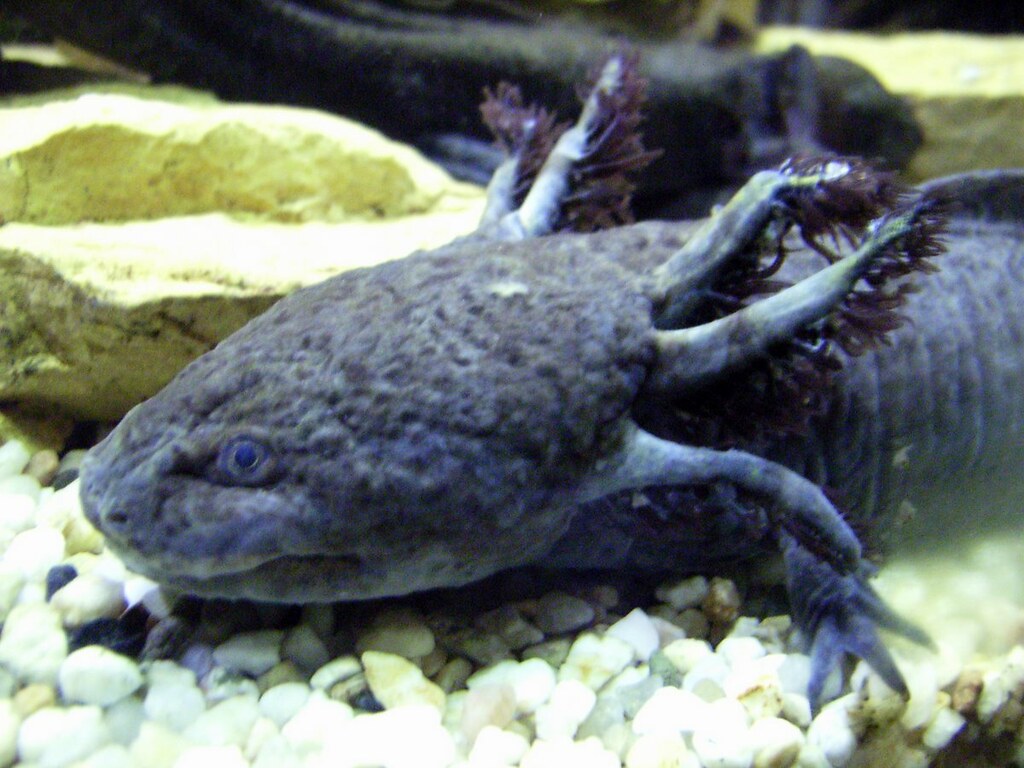
You’re standing in a pet store on a Tuesday afternoon, staring at a tank full of creatures that look like they were designed by someone who asked, “What if a salamander never grew up and also had feathery gills?” The price tag says $35–$60. The teenager working the fish section says they’re “pretty easy.” You almost believe them.
Here’s the thing nobody tells you upfront: axolotls aren’t hard to keep because they’re delicate. They’re hard to keep because the margin for error is surprisingly narrow — and most beginner advice skips the three or four details that actually matter. I’ve watched people set up gorgeous tanks with expensive décor, buy the animal on day one, and then wonder why it’s floating at the surface two weeks later. The problem isn’t commitment. It’s sequence. You have to do things in a specific order, and that order is not intuitive.
1. The Tank Has to Be Ready Before You Buy the Animal
This is the one that gets people. The axolotl looks healthy at the store, you fall in love with its weird smile, you bring it home to a brand-new tank — and then the nitrogen cycle hasn’t started, ammonia builds up, and you’re doing emergency water changes at 11 p.m. on a Thursday.
Cycling a tank means establishing beneficial bacteria that convert ammonia (fish waste, decaying matter) into nitrites, and then nitrites into nitrates. That process takes four to six weeks with a fishless cycle — meaning you add an ammonia source to the empty tank and let the bacteria colonize your filter media before any animal goes in. You can use pure ammonia drops (available at hardware stores — check that it has no surfactants or perfumes) or a commercial ammonia source.
Get a liquid test kit, not the strip kind. API’s freshwater master kit is the one most hobbyists use, and it’s around $30–$35 at most pet retailers. Test every two to three days. You’re looking for: ammonia at 0 ppm, nitrites at 0 ppm, and some nitrates present (usually 5–20 ppm). That’s when the tank is cycled. That’s when you buy the axolotl.
2. Cold Water Is Non-Negotiable — and Most Homes Are Too Warm
Axolotls are native to a high-altitude lake system in Mexico where water temperatures stay cool year-round. Their ideal range is 60–68°F (16–20°C). Above 72°F, they get stressed. Above 74°F, you’re looking at potential fungal infections, loss of appetite, and organ stress. At 76°F or higher, they can die within days.
The average American home sits at 70–72°F in summer. That’s already too warm. In places like Texas, Florida, or Arizona in July, even a basement tank can drift into dangerous territory without intervention.
Solutions people actually use: a small fan blowing across the water surface (evaporative cooling drops temps 2–4 degrees), a dedicated aquarium chiller (expensive — $150 to $300+ for a quality unit), or keeping the tank in the coolest room of the house with AC. I know one keeper in Phoenix who runs a small window unit solely to keep her fish room at 65°F from May through September. That’s commitment. But it’s also just the reality of keeping a cold-water animal in a warm climate.
If you’re not sure whether your home can maintain safe temperatures year-round, this might not be the right pet for your situation — and that’s okay to admit before you spend money on both the animal and a chiller.
3. Tank Size: Bigger Than You Think, Filtered Carefully
A single adult axolotl needs a minimum of 20 gallons. Not 10. Not “a 10-gallon to start and then upgrade.” Twenty gallons from day one. Axolotls produce a significant bioload for their size, and small tanks swing in water chemistry too fast.
For filtration, the challenge is that axolotls don’t like strong current. They’re not fast swimmers, and a powerful filter output blasting them around the tank causes stress. The workaround most people land on: a sponge filter, or a hang-on-back filter with the output baffled using a spray bar or a piece of filter sponge over the outflow. Aim for gentle turnover — roughly 4x the tank volume per hour, but directed so it doesn’t create a current the axolotl has to fight constantly.
Substrate is another thing worth thinking through. Fine sand works well — axolotls can ingest it while feeding and typically pass it without issue. Large gravel is genuinely dangerous because they can swallow pieces that cause impaction. Bare-bottom tanks are fine too and easier to clean, though some axolotls seem to stress without traction underfoot.
4. Feeding: What Works, How Often, and the Part Nobody Mentions
Adult axolotls (10 inches or longer, roughly 18 months old) do well eating every two to three days. Juveniles need feeding daily or every other day. The gold-standard food that most experienced keepers agree on: nightcrawlers. Regular earthworms, the kind you can find at bait shops or Walmart’s fishing section. They’re nutritionally complete for axolotls, inexpensive, and most animals take to them readily.
Frozen bloodworms work for juveniles and as an occasional supplement. Repashy gel food (a brand that makes powdered reptile and amphibian diet mixes) has a loyal following in the axolotl community — you mix it with hot water, it sets into a gel, and you cut it into pieces. Some keepers use axolotl-specific pellets, though there’s ongoing debate about which formulations are actually complete.
The part nobody mentions: don’t feed your axolotl and then leave uneaten food sitting in the tank. Axolotls are slow, deliberate hunters, and if a worm escapes into the substrate, it will decompose and spike your ammonia. Feed in a shallow dish, or use long feeding tongs, and remove anything uneaten after 15–20 minutes.
5. What First-Time Keepers Get Wrong (And Why Those Mistakes Are Understandable)
Let me be direct about a few common approaches that just don’t work:
- Buying two axolotls immediately “so they have company.” Axolotls are not social animals. They don’t get lonely. What they do is occasionally bite each other’s limbs, especially if one is significantly larger than the other, or if food is scarce. Keeping multiple animals requires more space, more filtration, and more monitoring. Start with one.
- Using a heater “just to stabilize the temp.” I see this advice sometimes, framed as keeping temperature from fluctuating. Heaters heat water. An axolotl tank does not need warmer water — it needs cooler water. Unless you’re using a chiller, don’t add a heater.
- Medicating at the first sign of gill deterioration. Gills fluffing out or looking smaller is often a water quality issue, not a disease. Test your water first. Do a 20–25% water change. Nine times out of ten, that’s the fix. Dumping medication into a tank stresses the animal further and can crash your nitrogen cycle by killing beneficial bacteria.
- Keeping axolotls with fish. It seems harmless — a few guppies for “tank mates.” In practice, fish nip at axolotl gills (which are external and very tempting), and axolotls will eat small fish, meaning you’re either stressing your axolotl or losing your fish. They do better alone.
6. A Real First Month — Including the Parts That Went Sideways
A keeper I know in the Pacific Northwest — someone who’d successfully kept saltwater tanks for years — set up a 29-gallon for their first axolotl in late winter. Cycled it properly. Bought a leucistic (white with pink gills) from a reputable breeder, not a big-box store. First two weeks: textbook. Animal eating, gills full and branchy, moving around at night.
Week three, she noticed the gills thinning. Panicked, started reading forums, almost bought antifungal medication. Tested the water: ammonia at 0.25 ppm. Not terrible, but not zero. Turned out a small piece of uneaten worm had been decomposing behind a hide decoration for probably a week. She did two small water changes over four days, started checking under the decorations after every feeding. Gills recovered fully within ten days.
The lesson wasn’t dramatic. It was just: the tank tells you what’s wrong if you’re testing the water and paying attention. Most axolotl health problems trace back to water chemistry, and most water chemistry problems trace back to something decaying in the tank that you missed.
7. Legal Status and Where to Buy in 2026
This matters more than most guides acknowledge. Axolotls are illegal to own in California, Maine, New Jersey, and Virginia as of current regulations — and a few other states have specific restrictions or permit requirements. Before you buy anything, check your state’s Department of Fish and Wildlife website. Laws change, and the pet store selling them may not know or may not tell you.
When buying, reputable breeders who specialize in axolotls are significantly better than big-box pet stores. Breeders typically sell captive-bred animals with known genetics, can tell you the animal’s age and lineage, and won’t sell you a sick or stressed juvenile. Expect to pay $40–$80 for a standard morph from a breeder. Rarer morphs (mosaic, copper, piebald) run higher — sometimes $100–$200 or more.
Hobbyist communities on platforms like Reddit’s r/axolotls or dedicated Facebook groups often have breeder recommendations by state. That’s not a bad place to start your search.
Start Here This Week
If you’re seriously considering getting an axolotl, here’s what to do before you buy anything living:
This weekend: Measure the temperature in the room where you’d keep the tank — morning, afternoon, and evening — for two or three days in a row. If it’s consistently above 70°F, figure out your cooling strategy before anything else.
Before you buy the animal: Order or pick up a liquid test kit and start the nitrogen cycle in your tank. Set a calendar reminder for four weeks out to test parameters. Buy the axolotl only after you hit 0 ammonia, 0 nitrites, and some nitrates.
First feeding: Get nightcrawlers from a bait shop. Start there. Don’t overbuy or over-supplement until you know what your animal actually wants to eat.
That’s it. Three steps. The axolotl will still be at the store — or the breeder will still have animals — in five weeks. The tank won’t be ready before then anyway. Do it in order, and this becomes a genuinely rewarding animal to keep. Skip the sequence, and you’ll be doing emergency water changes at 11 p.m. wondering what went wrong.

Publicar comentário