Why Raw Diet Trends Are Sticking Around in 2026
At a farmers market in Portland last September, a woman handed me a small cup of something that looked like orange juice but wasn’t. It was a blend of raw carrot, ginger, and turmeric — unpasteurized, unheated, just pressed that morning. She said she’d been selling out by 9 a.m. every weekend. That detail stuck with me, not because of the drink, but because of what it represented: people weren’t just buying food. They were buying a specific kind of trust.
That trust — in unprocessed, unheated, largely unaltered food — is exactly what’s driving raw diet trends deeper into 2026, and it’s not slowing down. But here’s what most food trend coverage gets wrong: they frame this as a wellness craze, a niche Instagram habit, or a holdover from the mid-2010s clean eating era. It isn’t any of those things. The real story is that raw eating has become a proxy for a much larger anxiety — the feeling that the industrial food system is making decisions about your body that you never agreed to. The trend isn’t about kale. It’s about control.
1. The Numbers Are Hard to Dismiss
Industry research tracking plant-based and minimally processed food sales has consistently shown double-digit annual growth in the raw and cold-pressed category over the past three years. Specialty cold-pressed juice brands that were boutique operations in 2020 now stock shelves in regional grocery chains across the Midwest and South — markets that were once considered resistant to premium health foods.
One data point that’s telling: searches for “raw food diet plan” and “raw vegan meal prep” both saw notable spikes in early 2025 and again in January 2026, according to publicly available Google Trends data. January is predictable — people make resolutions. The 2025 spike, though, came right after a stretch of high-profile food safety recalls that rattled consumer confidence in processed products. That timing isn’t coincidental.
The raw pet food market tells a parallel story. Several major pet specialty retailers expanded their raw and freeze-dried raw sections considerably in 2025, responding to what buyers described as sustained — not seasonal — demand. When people start feeding their dogs raw food for the same reasons they’re reconsidering their own diets, the trend has moved past lifestyle into something more structural.
2. Raw Isn’t One Thing Anymore — And That’s the Point
When most people hear “raw diet,” they still picture the strict, all-raw-vegan approach — no cooking above 118°F, nothing processed, heavy on sprouted grains and dehydrated everything. That version exists, but it’s not where the growth is. What’s actually expanding is something more flexible and, frankly, more livable.
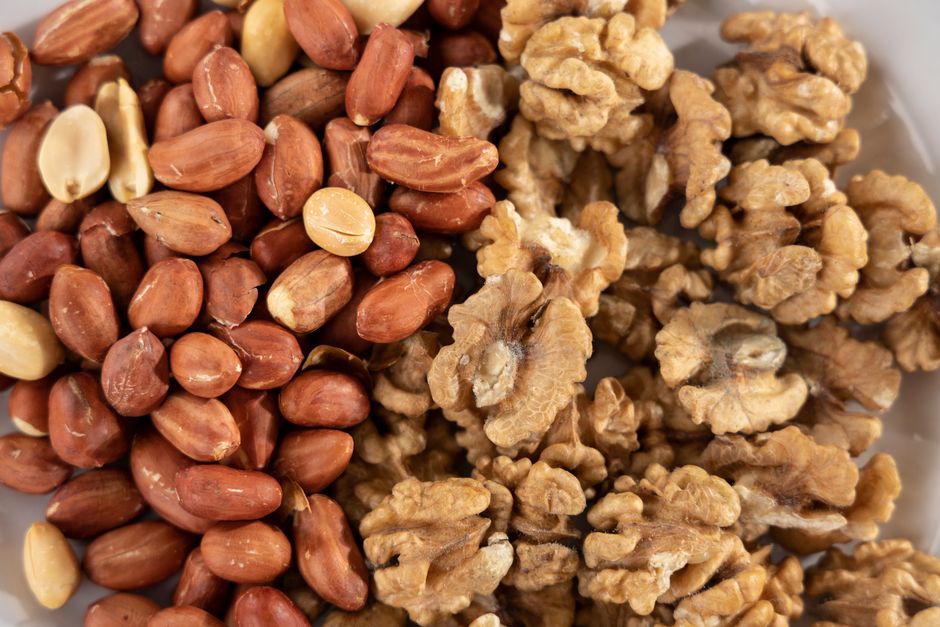
Think about what a typical raw-curious person looks like in 2026. They’re not eliminating all cooked food. They’re adding raw elements — a smoothie with raw spinach and hemp seeds in the morning, a big salad with raw vegetables and fermented toppings at lunch, maybe a handful of raw nuts instead of a processed snack bar in the afternoon. They’re not calling themselves “raw foodists.” They just eat more raw stuff than they used to, and they’re paying attention to why.
This softer version of raw eating — sometimes called “raw-forward” or “mostly raw” — is actually what’s reshaping grocery stores, restaurant menus, and meal kit offerings right now. It’s approachable enough that it doesn’t require a lifestyle overhaul, which is exactly why it’s sticking around when stricter dietary movements tend to flame out.
3. Fermentation Changed the Game
Here’s a detail that often gets left out of raw diet trend coverage: fermentation has become the bridge that made raw eating sustainable for a much broader audience. Technically, fermented foods like kimchi, raw sauerkraut, and kombucha aren’t “cooked” in the traditional sense — and for people exploring raw diets, they’ve become a way to add flavor, variety, and gut-health benefits without turning on the stove.
The practical impact of this is significant. A plate of raw vegetables is a commitment. A bowl of raw zucchini noodles topped with fermented cashew cheese and raw tomato sauce feels like an actual meal. That shift in texture and complexity is what keeps people engaged past the first week. I’ve tried the strict version twice — once for 30 days in 2019, once for three weeks in 2022 — and both times, the thing that broke me wasn’t the hunger. It was the monotony. Fermented foods solve that problem in a way that nothing else in the raw toolkit really does.
4. What’s Actually Driving the 2026 Surge
Three forces are converging right now that explain why raw eating has more momentum in 2026 than it did five years ago.
Distrust in ultra-processed food is at a high point. Ongoing public conversation about food dyes, seed oils, and additive ingredients — driven partly by policy discussions and partly by independent researchers and journalists — has made a large segment of American consumers more skeptical of anything with a long ingredient list. Raw food, by definition, sidesteps most of that anxiety.
Gut health has gone mainstream. The microbiome conversation that was niche-science territory in 2015 is now on daytime talk shows and in pharmacy aisle marketing. Raw and fermented foods are positioned — correctly or not — as gut-friendly choices, and that association is powerful.
The cost-of-living squeeze is pushing people toward home preparation. This sounds counterintuitive, because raw organic produce can be expensive. But raw meal prep — soaking nuts overnight, making your own nut milk, blending a smoothie instead of buying a $14 cold-pressed bottle — is actually cheaper than eating at restaurants or buying premium packaged health foods. The people who’ve figured that out are building habits that stick.
5. One Real Week: What Raw-Forward Actually Looks Like
A friend of mine — mid-40s, works in project management, two kids in middle school — shifted to a raw-forward approach in February 2026 after dealing with persistent low energy and digestive issues. She didn’t go fully raw. Here’s what her week actually looked like:
Monday through Wednesday: raw smoothie for breakfast (banana, frozen mango, raw spinach, flaxseed, almond milk she made herself). Lunch was a large salad with raw vegetables, raw sunflower seeds, and a lemon-tahini dressing. Dinner was cooked — she made lentil soup on Monday, stir-fry on Tuesday, pasta on Wednesday. Wednesday dinner was also the night she forgot to prep anything raw, felt tired, and just ate leftover pasta with parmesan. That was fine. It wasn’t a failure.
Thursday she had a work lunch at a restaurant — ordered a grain bowl, asked for dressing on the side, added nothing special. Friday she made raw energy balls with dates and cashews for a snack during a long afternoon of back-to-back calls. By Sunday she’d spent maybe $68 on produce for the week, which was less than the $85-plus she used to spend on a mix of packaged snacks and takeout.
After six weeks, she said her digestion felt noticeably better. Her energy didn’t spike and crash the same way. She hadn’t lost weight — she hadn’t tried to. But she said she felt like she was eating, not just consuming. That distinction matters more to people right now than the scale does.
6. What Doesn’t Work — And I’ll Be Direct About It
There are four common approaches in the raw diet space that consistently fail people, and I think the conversation around raw eating would be better if more people said this out loud.
- Going fully raw overnight. Almost nobody can sustain a 100% raw diet long-term without significant planning, financial investment in equipment (a good blender, a dehydrator, ideally a food processor), and a support system. People who jump in cold — pun intended — usually quit within two weeks and write off the entire approach. Starting with one raw meal a day is more effective than starting with an all-or-nothing commitment.
- Relying on raw food influencers for nutrition guidance. Some creators in this space are knowledgeable. Many are not. Vitamin B12 deficiency, iron deficiency, and inadequate protein intake are real risks in poorly planned raw vegan diets, and the aesthetic appeal of a beautifully photographed acai bowl doesn’t tell you anything about whether the person eating it is actually healthy. Get bloodwork. Talk to a registered dietitian, not just someone with followers.
- Treating raw eating as a detox or reset. The “three-day raw cleanse” framing misrepresents how dietary change actually works. Your liver and kidneys handle detoxification — that’s their job. A three-day anything isn’t going to undo months of eating habits. The value of raw eating is in consistency over time, not intensity over a weekend.
- Ignoring food safety with animal products. Raw milk, raw meat, and raw fish carry genuine pathogen risks, and those risks are not eliminated by the philosophy of “natural is better.” People can and do get seriously ill. This part of the raw food conversation doesn’t get enough attention, especially as raw dairy gains visibility in certain communities.
7. Where Raw Eating Goes From Here
The version of raw eating that survives and grows isn’t the dogmatic, all-or-nothing movement that peaked in the early 2010s. It’s the flexible, produce-heavy, fermentation-friendly approach that fits inside a normal life without requiring a complete identity shift. That version is already embedded in how a meaningful slice of American consumers shop and eat — it just doesn’t always announce itself with a label.
Restaurants in cities like Austin, Denver, and Brooklyn are quietly building menus around raw preparations — not as a niche offering, but as a standard part of what they do. Grocery stores are expanding raw and refrigerated sections. The cold-pressed category is holding shelf space it didn’t have three years ago. None of this is accident. It’s the market responding to a sustained shift in what people want to put in their bodies and why.
The anxiety driving this isn’t going away. If anything, it’s deepening. And raw eating — in its current, practical, imperfect form — is one of the cleaner answers people have found to that anxiety.
Three Small Things You Can Do This Week
Not a 30-day program. Not a shopping haul. Just three small moves:
- Replace one packaged snack with something raw — a handful of raw almonds, a sliced apple with raw almond butter, a few raw carrots with tahini. Do it once today, then again tomorrow. Habit starts with repetition, not commitment speeches.
- Add one raw ingredient to a meal you’re already making. Toss raw spinach into a smoothie you were going to make anyway. Add raw shredded cabbage to the tacos you were already planning. You’re not changing dinner — you’re adding to it.
- Look at one fermented food at the grocery store this week — raw sauerkraut, kimchi, or raw apple cider vinegar. Read the label. Buy one thing. See if you actually use it. That’s the whole assignment.
The goal isn’t transformation. It’s traction. One raw thing at a time.


Publicar comentário