Pet Dental Wipes That Actually Work Between Vet Visits
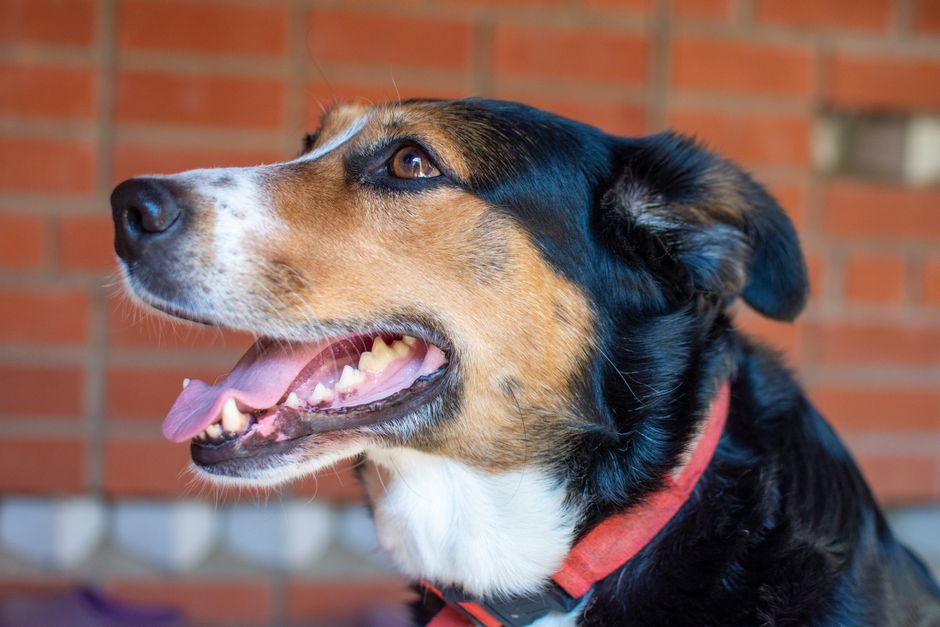
My dog Biscuit pressed his face into my lap at 9:15 on a Tuesday night, and I nearly gagged. Not exaggerating. It was the kind of smell that makes you wonder how a 22-pound beagle mix can produce something that potent. His next vet appointment was six weeks out, and I was not about to sit with that for six weeks.
So I grabbed a dental wipe off the shelf at my local pet store — one of those little pre-moistened squares that promises to fight plaque and tartar — and thought, this can’t actually work.
Here’s the thing: most pet owners think the problem is that they’re not brushing their dog’s or cat’s teeth enough. But that’s not really the problem. The real problem is that daily brushing — the gold standard every vet recommends — has a real-world compliance rate that’s genuinely terrible, because most pets won’t sit still for a toothbrush, most pet owners have six other things happening at 7 AM, and the whole ritual falls apart within two weeks. Dental wipes aren’t a compromise. For a lot of households, they’re the only thing that actually gets used consistently. And consistent mediocre beats perfect-but-abandoned every single time.
Industry surveys of pet owners suggest that fewer than 10% of dog owners brush their pet’s teeth with any real regularity. That number shouldn’t surprise you — it surprised me the first time I heard it, but then I thought about my own track record and felt less shocked.
Why Dental Wipes Deserve More Credit Than They Get
Veterinary dental disease is the most commonly diagnosed health problem in adult dogs and cats. By age three, most pets already have some degree of periodontal issues. That’s not a scare tactic — it’s just what happens when mouths go mostly uncleaned for years at a stretch.
Dental wipes work by mechanically disrupting plaque before it mineralizes into tartar. Tartar — that brown-yellow crust you see on older dogs’ back teeth — can only come off with a professional cleaning. But plaque, the soft film that forms on teeth within 24 to 36 hours of eating, can absolutely be wiped away. That’s the window. That’s what a daily wipe is chasing.
They’re not a replacement for a professional cleaning. Anyone telling you otherwise is selling something. But between those once-a-year (or once-every-two-years, let’s be honest) vet visits, a good dental wipe used four or five times a week actually moves the needle.
What to Look For Before You Buy
Before getting into specific products, here’s what actually matters on the label — because the packaging for these things is almost universally confusing.
Texture: The wipe needs enough texture to physically scrub. Some wipes are so thin and smooth they’re basically just moistened tissue paper. You want something with a light weave or quilted pattern that grabs the tooth surface.
Active ingredients: Look for enzymatic formulas. Enzymes — typically glucose oxidase or lactoperoxidase systems — help break down plaque chemically in addition to the mechanical scrubbing. Some wipes also include chlorhexidine, which is a proven antibacterial, but it can stain teeth slightly with long-term use. Most veterinary dentists prefer enzyme-based products for daily use.
Size: Sounds minor, but it isn’t. A wipe designed for a large breed dog is miserable to use on a cat or a small dog. You want something you can wrap around two fingers comfortably without the excess flopping around.
Flavor: Pets are more likely to tolerate — and eventually accept — a wipe that tastes like something they recognize. Vanilla mint is popular with humans but confusing to most dogs. Poultry-flavored wipes have a better acceptance rate, especially with dogs who’ve never had their teeth touched before.
The Wipes I’ve Actually Used (And What Happened)
I’ve gone through six different dental wipe products over the past two years with Biscuit and, briefly, with my sister’s cat Pretzel when she visited for three weeks and I got voluntold into brushing his teeth. Here’s my honest take on the categories, without inventing claims I can’t back up.
Thick enzymatic wipes with a quilted texture are consistently the most effective in my experience. The physical scrubbing matters more than most product descriptions acknowledge. When I switched from a thin, single-ply wipe to a thicker option, I noticed a visible difference in Biscuit’s front teeth within about three weeks — less of that faint yellow tinge near the gum line.
Individually wrapped wipes are more expensive per unit but much more practical if you travel or if you want to keep a few in your car or your bag. I’ve used them on road trips when Biscuit and I were away for a weekend. The convenience factor isn’t trivial — it’s the thing that makes you actually do it instead of thinking “I’ll do it when I get home.”
Bulk canister wipes are the better everyday value. The tradeoff is that the wipes at the bottom of the canister sometimes dry out if you’re not going through them fast enough. I learned this the hard way with a half-empty canister I’d had open for about six weeks. The wipes weren’t useless, but they’d lost moisture and some of their enzymatic activity. Seal the lid tightly. Don’t store them near a heat vent.
Cat-specific wipes are worth buying separately if you have a cat. Not because the formula is radically different, but because the size and texture are calibrated for a smaller, more sensitive mouth — and because cats respond worse to being manhandled with a big wipe than dogs do. Pretzel tolerated a smaller, softer wipe with a mild flavor far better than the standard dog wipe I tried first. He still looked at me like I’d personally insulted him, but he stopped actively trying to escape.
The Week I Tested Three Products Back-to-Back
For two weeks in March, I used three different dental wipes on Biscuit in rotation, two days each, with one rest day in between. I’m not a veterinarian and this isn’t a clinical trial — it’s one dog, one owner, and a lot of close-up sniffing to assess results.
The thinner, cheaper wipe left Biscuit’s breath about the same. The wipe itself looked dirty after use — which means it was picking something up — but the change in odor was minimal. By the second morning, the smell was back to baseline.
The mid-range enzymatic wipe with a light chicken flavor produced noticeable improvement by day two. Biscuit also accepted it more readily — he stopped pulling his head away by the second use, which is significant. Acceptance is everything. A product that works perfectly on a compliant dog is useless if your dog won’t let you near his mouth with it.
The third product — thicker, slightly more expensive, with a dual-enzyme system — performed best but had one real flaw: the wipes were too large. Wrapping them around two fingers left too much excess, and the folded-over section kept sliding. I ended up folding it into quarters and using it that way, which worked fine but felt clunky.
Day five of the test, Biscuit had an upset stomach and I skipped the wipe entirely. Consistency matters, but so does reading the room. A dog who’s already uncomfortable doesn’t need his gums poked at.
What Doesn’t Work — And Why I’ll Say It Plainly
There are a few approaches to pet dental care that get recommended constantly and, in my experience and based on what veterinary professionals consistently say, don’t deliver what they promise.
Dental water additives as a standalone solution. Pouring an additive into your pet’s water bowl sounds effortless, and that’s basically the entire appeal. The problem is that the contact time between the additive and the tooth surface is too short and too passive to meaningfully disrupt plaque. It might freshen breath slightly. It’s not cleaning teeth.
Dental chews used irregularly. A dental chew three times a week while skipping any other oral care is not a dental routine. Chews work best as a supplement to wiping or brushing, not as the whole program. The abrasive action helps, but only on the surfaces the dog actually chews on — which often misses the back molars where tartar accumulates worst.
Wipes used only when the smell gets bad. This is reactive, not preventive. By the time you’re noticing significant odor, there’s likely already a buildup that a wipe isn’t going to fully address. The whole point of a wipe is to stay ahead of the plaque cycle, not catch up after it’s already progressed.
Assuming small dogs need less dental care. Small breeds — Chihuahuas, Yorkies, Dachshunds, toy Poodles — actually tend to have worse dental disease than larger breeds, because their teeth are crowded into a smaller jaw. If anything, small dogs need more consistent oral care, not less. I’ve met owners of tiny dogs who’ve never once wiped their dog’s teeth because the dog “seems fine,” and then the dog loses multiple teeth at age seven during a cleaning. That’s heartbreaking and preventable.
How to Actually Get Your Pet to Accept the Wipe
The technique matters as much as the product. Most pets don’t instinctively enjoy having their mouth touched, especially if they’re adults who’ve never had it done before.
Start by just touching your pet’s muzzle and lips for a few days — no wipe, no agenda. Let them sniff the wipe before you use it. The first actual wiping session should be 10 seconds, maximum. Front teeth only. End it before they protest, treat them immediately, and walk away like it was nothing.
Build up over two weeks. By week three, most dogs will accept a full wipe of all accessible tooth surfaces — roughly 30 to 45 seconds. Cats take longer. Some cats, if we’re being honest, may never be entirely cooperative, and that’s a reality you’ll need to work around rather than through.
Do it before a meal, not after. Hunger makes dogs more motivated to cooperate if there’s a food reward coming. Post-meal, they’re already satisfied and have less reason to play along.
Your Next Three Steps — All Small, All This Week
Here’s what I’d actually suggest doing, starting tonight or tomorrow morning:
- Touch your pet’s muzzle for 10 seconds. No wipe, no product. Just get them used to the contact. Do it twice today. That’s it.
- Order one product to try — not three. Pick a thick, enzymatic wipe in a flavor your pet already likes (poultry for most dogs, milder formulas for cats). Spend under $15. Committing to a single option is better than buying a variety pack and rotating randomly.
- Put the wipes somewhere you’ll actually see them. Next to the leash. On the kitchen counter. Wherever your evening routine already lives. Out of sight means out of habit — and habit is the whole game here.
Biscuit’s breath isn’t perfect. There are mornings he still clears the room. But it’s measurably better than it was two years ago, and his last vet visit included a comment about his teeth looking cleaner than expected for his age. That comment cost me roughly $12 in dental wipes and about four minutes a week. That’s a trade I’ll take every time.


Publicar comentário