Bathe Your Anxious Dog Without the Struggle
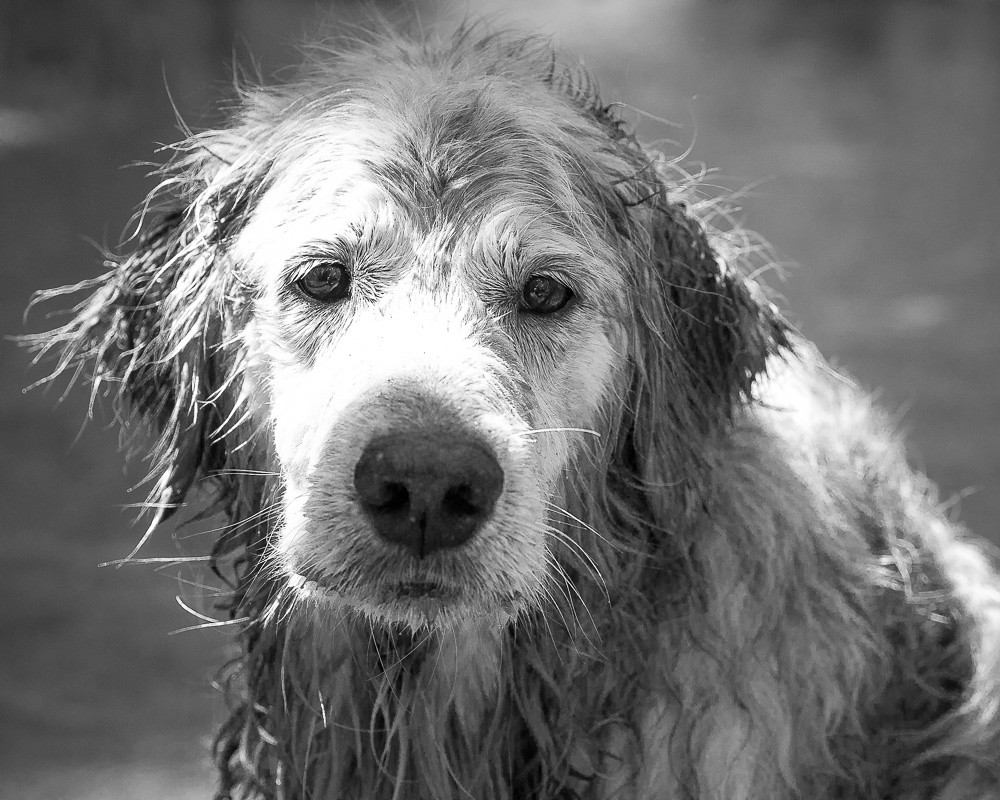
Your dog sees the leash come out and wags. You grab the shampoo bottle and — the whole mood shifts. She bolts under the bed. You spend the next 20 minutes negotiating with a 45-pound animal who is absolutely convinced the bathtub is a portal to somewhere terrible. Sound familiar?
I’ve been there. With my rescue mutt, Biscuit, bath time used to wreck the entire evening. Not just for him — for me too. I’d be tense before I even turned on the faucet, and he could feel that. Which brings me to the thing most dog advice completely misses.
The Real Problem Isn’t the Water — It’s the Anticipation Loop
Everyone focuses on what happens during the bath. The shaking, the pawing, the desperate attempts to leap out of the tub. But anxious dogs aren’t just reacting to water. They’re reacting to the entire sequence of events they’ve learned to dread — the way you walk toward the bathroom, the sound of the faucet, your own nervous energy, the smell of shampoo. By the time the water hits them, they’ve been in fight-or-flight for ten minutes already.
The fix isn’t a calmer bath. It’s breaking the anticipation pattern entirely. That’s a different problem, and it needs a different approach.
What the Research Actually Supports
Veterinary behaviorists have studied fear responses in domestic dogs extensively, and the consensus is clear: counter-conditioning and desensitization — not restraint, not force — are the gold standard for fear-based behaviors. The American Veterinary Society of Animal Behavior has published position statements specifically discouraging aversive techniques like flooding (forcing an animal to confront a fear until it “gives up”) because it tends to deepen anxiety, not resolve it.
Surveys of dog owners who sought help from veterinary behaviorists consistently show that gradual, reward-based exposure — done in short sessions over days or weeks — produces lasting behavior change in a way that a single “power through it” bath never does. You’re not looking for one perfect bath. You’re retraining a nervous system.
Step 1: Separate the Bathroom from the Bath
Start feeding your dog in the bathroom. Not near it. In it. Bowl on the floor, right next to the tub. Do this for three to five days without any mention of bathing. If your dog refuses to enter, start with the bowl just outside the door and move it one foot closer each day. The goal is simple: the bathroom becomes a place where good things happen, not a room that ends in wet misery.
This sounds too slow. It isn’t. Skipping this step is why the “calming shampoo” you bought on Amazon didn’t work — the anxiety was already at an 8 out of 10 before the shampoo ever touched your dog’s coat.
Step 2: Introduce the Tub as a Snack Station
Once your dog eats calmly in the bathroom, start dropping high-value treats into the dry tub. Let your dog investigate on their own terms. Don’t lift them in. Don’t lure them in with your hands. Just drop a piece of chicken or a bit of cheese, walk away, and let curiosity do the work.
Some dogs hop in on day one. Biscuit took four days before he’d put more than two paws in. That’s fine. You’re not on a schedule. The moment you rush this, you owe the whole process another week.
Once they’re comfortable standing in the dry tub, turn on the faucet — but not pointed at them. Let it run into the drain. Treat the whole time. Then turn it off. That’s the session. Done.
Step 3: The Wet Cloth Before the Shower Head
This is the step most people skip, and it makes a huge difference. Before you ever use a spray nozzle or shower head, use a warm, wet washcloth. Wipe your dog’s back, then treat. Wipe the legs, then treat. Keep it under two minutes the first time.
The sensation of water hitting fur from a nozzle is genuinely startling, especially at the face and ears. A cloth gives you control. It also gives your dog a chance to get used to the feeling of being wet without the noise and pressure of running water. Work up to a small cup of warm water poured slowly over the back before you ever point a showerhead at them.
Step 4: Temperature and Pressure Matter More Than You Think
Dogs run warmer than humans — their normal body temperature sits between 101°F and 102.5°F. Water that feels comfortable to your wrist can feel cold to your dog. Test the water on the inside of your forearm — it should feel warm, not just not-cold.
Water pressure is the other underrated issue. A full-blast showerhead is genuinely uncomfortable for a lot of dogs, especially around the head and ears. If you can get a handheld showerhead with adjustable pressure, use the gentlest setting. Several pet supply brands make dedicated pet shower attachments that clip onto your existing tub faucet for around $20 to $30 — they’re worth it.
Step 5: Keep the Session Under 8 Minutes
This is the hardest rule to follow. You’ve finally got your dog calm in the tub, the water’s running, and you’re thinking — let me just get a full bath in while I have the chance. Don’t. An anxious dog has a tolerance window, and the second you push past it, you’ve set back everything you built. The goal for the first few real baths is quick: wet, shampoo, rinse, done. Under 8 minutes. Save the deep coat conditioning treatment for a dog who’s already comfortable with the basics.
A Real Week, With the Rough Parts Included
When I started this process with Biscuit — a four-year-old hound mix I adopted from a shelter in 2022 — we were starting from near zero. He’d been bathed by force before, and his whole body would go rigid the moment I touched the bathroom door handle.
Day 1 through 4: bowl in the bathroom, no tub involved. He was hesitant but motivated by food. Day 5: first treat dropped in the dry tub. He sniffed it from the edge for a full minute before he grabbed it and backed out. Day 6: same thing, but he stayed in the tub for about 30 seconds. Day 7 was a setback — the neighbor’s car alarm went off while he was sniffing the tub and he spooked and refused to go near the bathroom for 24 hours. We lost two days to that. That’s just how it goes.
By day 14, he was eating his dinner in the tub with the faucet running nearby. By day 18, I gave him his first actual bath in probably six months. It wasn’t perfect — he shook and tried to jump out twice — but he didn’t panic. He stayed. That was enough.
What Doesn’t Work (And Why People Keep Doing It Anyway)
1. “Just power through it.” Forcing an anxious dog into the tub and holding them there doesn’t desensitize them — it teaches them that their fear was right. You’re not building trust, you’re confirming a threat. Every forced bath makes the next one harder.
2. Calming supplements and sprays as a standalone fix. Products like lavender sprays or certain calming chews may take the edge off mild stress, but they do nothing for an animal who’s been classically conditioned to dread bath time. They’re a complement, not a solution. I’ve tried three different “calming” products on Biscuit. None of them worked without the behavior work underneath.
3. Bathing less frequently to avoid the problem. I did this for almost a year. It didn’t reduce his anxiety — it just meant that when we finally did bathe him, we were both out of practice and the whole thing was worse. Some dogs need baths every 4 to 6 weeks depending on coat type and activity level. Avoiding the problem doesn’t shrink it.
4. Talking in a soothing voice the whole time. I know this sounds counterintuitive, but constant reassurance — “it’s okay, good boy, you’re fine” — can actually reinforce anxious behavior. You’re essentially rewarding the state of being stressed. Calm, matter-of-fact energy works better. Treat the good moments. Ignore the nervous ones. Don’t narrate the anxiety.
When to Loop In Your Vet
Some dogs are dealing with anxiety that goes beyond bath-specific fear — generalized anxiety, trauma history, or noise sensitivities that make any kind of handling difficult. If your dog is showing signs of extreme distress (panting, drooling, trying to escape at full force, or shutting down completely), it’s worth a conversation with your vet or a certified veterinary behaviorist before you continue training on your own.
There are prescription options — including some newer short-acting medications designed specifically for situational anxiety — that can help take the physiological edge off while you do the behavior work. These aren’t a crutch. For a severely anxious dog, asking them to learn while in a state of panic is like asking someone to learn a new skill during a fire drill. Sometimes the medication creates the space for the training to actually land.
Three Small Things to Do This Week
You don’t need to overhaul your entire routine right now. Here’s where to start:
- Tonight: Move your dog’s water bowl or a small treat into the bathroom. That’s it. Just let them exist in that space without any pressure.
- Tomorrow or the day after: Drop three high-value treats (chicken, cheese, something they’d sell their soul for) into the dry tub and walk away. No interaction required. Just let them find it.
- This weekend: Turn on the faucet while your dog is in the bathroom eating a treat — not in the tub, just in the room. Let the sound become background noise. Turn it off. Give another treat. Leave.
Those three steps will do more for your dog’s next bath than any shampoo, spray, or restraint technique on the market. The hard part isn’t the water. It’s being willing to go slower than feels necessary. That patience is the whole job.

Publicar comentário