Why Vets Are Quietly Recommending Raw Diets for Dogs
My neighbor’s golden retriever, Biscuit, had been scratching himself raw for two years. Two years of vet visits, prescription shampoos that ran $45 a bottle, and a food elimination diary that filled an entire spiral notebook. Then her vet — a conventional, by-the-book veterinarian at a suburban practice in Ohio — quietly suggested she try a raw food diet for 90 days. Within six weeks, the scratching stopped. The hot spots on Biscuit’s belly cleared up. His coat started looking like he’d been professionally groomed twice a week.
The thing is, her vet didn’t announce this recommendation like it was a breakthrough. He mentioned it almost offhandedly, the way you mention a shortcut on the highway. And that’s exactly the problem — or rather, the real story here. The conversation about raw diets for dogs isn’t happening loudly. It’s happening in exam rooms, in whispered asides, in follow-up emails. Vets who privately believe in it are navigating a profession where the major pet food companies sponsor veterinary school curricula, fund continuing education seminars, and put their branded kibble in the waiting room. Recommending raw isn’t just a dietary suggestion — for some vets, it’s a professional tightrope walk.
1. The Kibble Conflict Most People Don’t Know About
Here’s something worth sitting with: a significant portion of nutrition education that veterinary students receive in the US is funded or influenced by major pet food manufacturers. This isn’t a conspiracy theory — it’s been discussed openly in veterinary journals and by veterinary educators themselves. The American Holistic Veterinary Medical Association has long pointed out this structural tension, and in recent years more veterinary schools have started disclosing their industry relationships.
What does that mean practically? It means that many vets graduate with deep training in diagnosing illness and performing surgery, but relatively shallow training in canine nutrition — and what training they do have often defaults to recommending the brands that funded the textbooks. That’s not a knock on individual vets. Most of them are genuinely trying to do right by their patients. It’s a structural issue, not a character flaw.
So when a vet quietly recommends raw, they’re often going off-script. They’ve done their own reading. They’ve watched enough patients improve that they can’t ignore the pattern anymore.
2. What “Raw Diet” Actually Means in a Real Kitchen
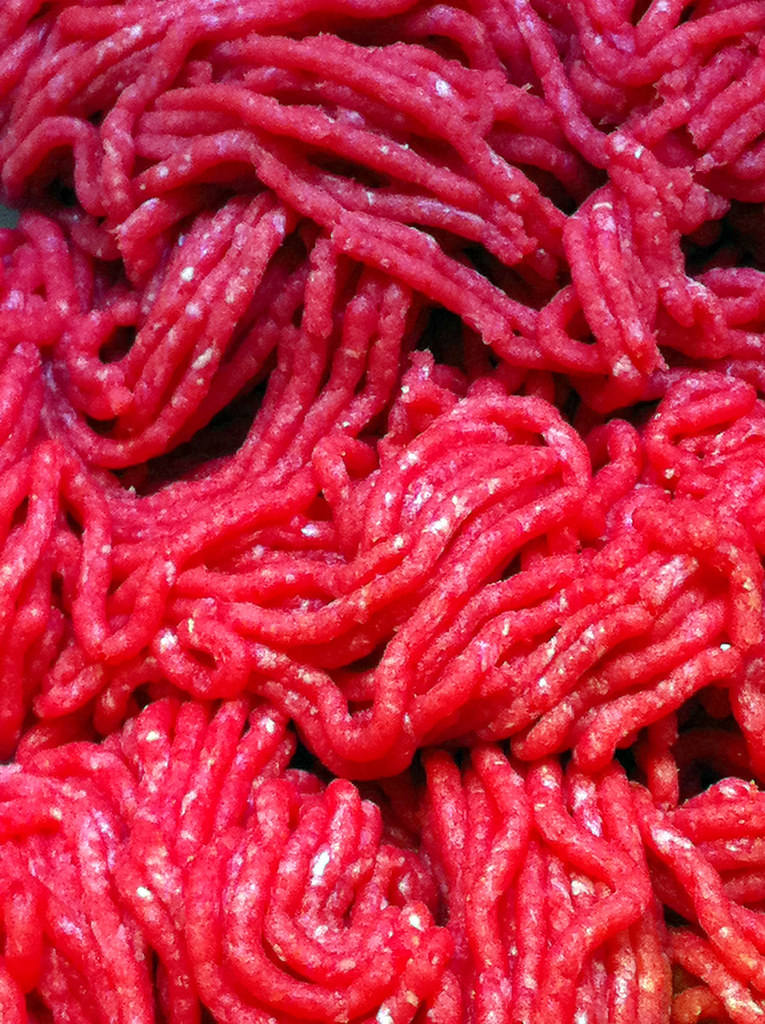
Raw feeding has a few different formats, and the differences matter. The most common framework is called BARF — Biologically Appropriate Raw Food — which typically includes raw muscle meat, raw meaty bones, organ meat, and small amounts of vegetables and fruit. Another approach, sometimes called prey model, skips the vegetables entirely and mirrors more closely what a dog would eat hunting in the wild.
On a practical level, this might look like: 80% muscle meat (ground beef, chicken thighs, turkey), 10% raw edible bone (chicken necks, duck feet), 5% liver, and 5% other secreting organ. A 60-pound dog eating roughly 2% of their body weight per day needs about 19 ounces of food daily — split across two meals. That’s a tangible, manageable number once you set up a weekly prep routine.
I’ve seen people go full DIY with a chest freezer in the garage and a bulk order from a local farm co-op. I’ve also seen people use commercially prepared raw patties from pet food brands — there are several in the frozen section at Petco and independent pet stores. Both approaches can work. The chest freezer route is significantly cheaper if you’re feeding a large breed. The pre-made patties run anywhere from $4 to $9 per pound, which adds up fast if your dog weighs 80 pounds.
3. The Results That Keep Showing Up (And Where the Data Gets Complicated)
Industry surveys and pet owner communities consistently report improvements in coat quality, digestion, energy levels, and dental health in dogs switched to raw diets. The stool volume reduction alone gets talked about constantly — raw-fed dogs produce significantly less waste, which makes sense because they’re absorbing more of what they eat and producing less filler as byproduct.
The scientific research picture is more nuanced. Controlled studies on raw feeding are limited, partly because funding for independent pet nutrition research is genuinely scarce. Some studies have flagged concerns about bacterial contamination — particularly Salmonella — in raw meat, both for dogs and for the humans handling the food. A study published in a veterinary journal found detectable Salmonella in a portion of raw pet food samples tested, which is a real consideration, especially in households with young children, elderly people, or immunocompromised individuals.
Proponents counter that dogs have a shorter, more acidic digestive tract than humans, making them more resistant to pathogens that would make us sick. That’s largely true — but it doesn’t mean a dog fed raw can’t shed bacteria that affects the humans in the house. Safe food handling matters here the same way it matters when you’re prepping raw chicken for dinner: wash your hands, sanitize surfaces, don’t let the dog lick your face right after eating.
4. A Real 90-Day Switch: What Happened, What Didn’t
A friend of mine in Portland switched her seven-year-old shepherd mix, Rue, to a partial raw diet in the fall of 2024. She didn’t go all-in immediately — she started with one raw meal per day and kept the evening meal as high-quality kibble while she figured out sourcing. Week one was rough. Rue had loose stools for four days straight, which is a known transition symptom as the gut microbiome adjusts. My friend almost quit on day three.
She didn’t. By week three, the digestion had stabilized. By week eight, Rue’s veterinarian — unprompted — commented that her teeth looked cleaner than the previous visit and asked what had changed. By the 90-day mark, Rue was on fully raw, two meals a day, and my friend was spending about $180 a month on food compared to $95 for the premium kibble she’d been buying. The cost difference was real and she felt it. She decided it was worth it. Not everyone will make the same call, and that’s a legitimate personal financial decision.
The lesson from Rue’s transition: the first two weeks are the worst part. If you can get through the detox period, most dogs settle in and the results become visible. But if your dog has a sensitive stomach, the transition needs to be slower — sometimes over four to six weeks instead of two.
5. What Doesn’t Work: Four Common Raw Feeding Mistakes
- Going cold turkey on day one. Pulling kibble completely and replacing it with raw overnight is the fastest way to end up with a sick dog and a decision to go back to the bag. The gut microbiome needs time. A gradual transition over two to four weeks is not optional — it’s the difference between success and failure.
- Feeding raw bones to dogs who inhale their food. Recreational bones are generally safe. But if your dog is a speed eater who doesn’t chew, a raw bone can become a choking hazard or cause a gut impaction. Slow feeders, supervision, and knowing your dog’s chewing style matter here.
- Treating raw as nutritionally complete without doing the math. Muscle meat alone is not a balanced diet. The liver, secreting organs, and bone ratios exist for a reason — they provide micronutrients that muscle meat doesn’t supply in adequate amounts. Just feeding ground beef is not raw feeding. It’s underfeeding while spending more money.
- Using raw as a cure-all without addressing other issues. Raw feeding can support health, reduce inflammation, and improve coat and digestion. It is not a substitute for veterinary care when something is actually wrong. I’ve seen people in online forums talk themselves out of taking a sick dog to the vet because they were convinced the raw diet would fix it. That’s dangerous thinking.
6. How to Find a Vet Who Will Actually Talk About This With You
Not every vet will engage with raw feeding, and pushing the topic with one who’s firmly opposed isn’t a good use of your time or your dog’s appointment. The vets who tend to be most open are those who have done additional training in integrative or functional veterinary medicine — some are members of the American Holistic Veterinary Medical Association, which does exist and maintains a directory on their website.
You can also simply ask during a routine visit: “What do you think about raw diets for dogs? Have you seen it work for patients?” The answer tells you a lot. A vet who gives you a flat dismissal with no nuance is probably not going to be a useful partner in this. A vet who says “I have concerns about X and Y, but I’ve seen it work well when done correctly” is someone worth having a real conversation with.
Telehealth veterinary consultations have also made it easier to access vets with specific expertise in nutrition — you’re no longer limited to whoever is geographically closest to you.
Your Three Moves for This Week
You don’t have to overhaul anything today. Start smaller than you think you need to.
First: Look up your dog’s ideal daily food intake — as a percentage of body weight — for their age and activity level. Just knowing this number (for most adult dogs it’s around 2 to 2.5% of body weight) gives you a concrete foundation before you buy anything.
Second: At your dog’s next vet appointment, ask one direct question: “What’s your experience with raw feeding?” Don’t argue, don’t defend the idea — just listen to the answer. You’ll know within about 90 seconds whether this is someone you can partner with on the question.
Third: If you want to try it, start with just one meal. Replace a single meal this week with a commercially prepared raw patty — one meal, one time — and observe. That’s it. No commitment, no chest freezer, no spreadsheet. Just one meal, and watch what happens.
Biscuit the golden retriever is four years into raw feeding now. He still gets the occasional allergy flare in spring — raw diets don’t erase biology — but his owner hasn’t bought a prescription shampoo in three years. That’s her data point. Yours might look different. The only way to find out is to start paying attention.




Publicar comentário