Why Raw Diets Backfire: The Health Risks You’re Missing
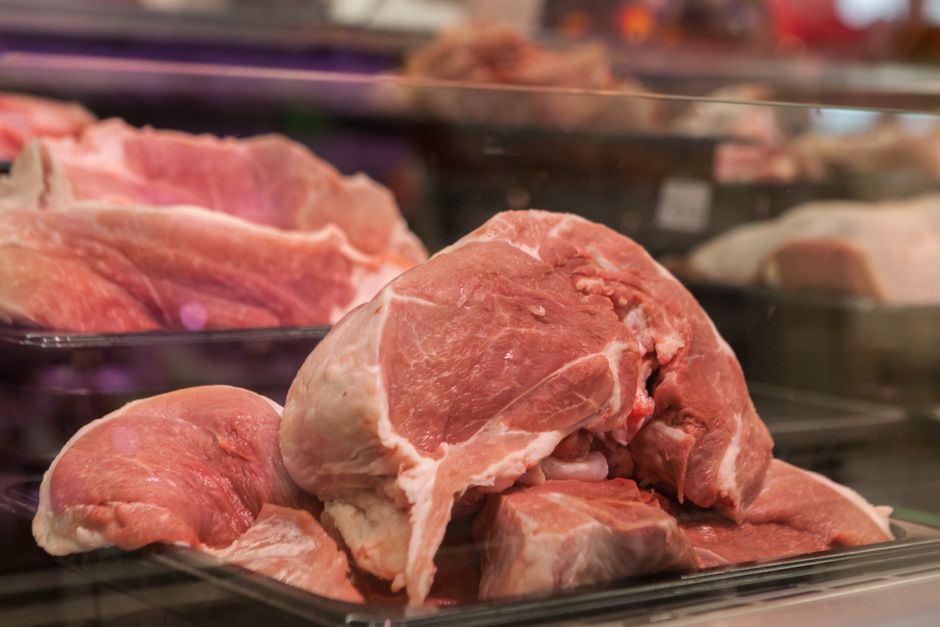
A raw diet, the way I’ve come to understand it, is less a specific eating plan and more a philosophy built on one belief: that cooking destroys what makes food worth eating in the first place. Enzymes, vitamins, living cultures — the argument goes that heat strips all of it away, and that the human body was never meant to process anything that passed through a flame. It sounds almost poetic when you first hear it. I thought so too.
For a long time, I was genuinely skeptical of the people who warned about raw diet risks. I figured most of the concern came from mainstream nutrition circles that had been wrong before — about fat, about eggs, about red wine. I wasn’t naive; I’d been eating relatively clean for years, reading labels, avoiding processed food. Raw eating felt like the natural next step. More aligned. More intentional.
I spent about eighteen months following a mostly raw plant-based approach before my perspective shifted — not dramatically, not overnight, but through a series of small, undeniable signals from my own body that I kept explaining away until I couldn’t anymore.
The Appeal Is Real, and That’s Part of Why This Gets Complicated
I want to be clear about something before going further: the raw diet community isn’t wrong about everything. Eating more fresh produce, cutting ultra-processed food, paying attention to what you put in your body — those instincts are sound. The problem is that the framework built around those instincts makes claims it can’t actually support, and some of those claims carry real consequences.
The enzyme argument is a good example. The idea is that raw food contains enzymes that aid digestion, and that cooking destroys those enzymes. This part is technically true. But what the argument leaves out is that your stomach acid — which has a pH low enough to dissolve metal over time — denatures those enzymes before they ever reach your small intestine. Your body doesn’t use dietary enzymes to digest food. It produces its own, and it’s quite good at it. The digestive system wasn’t designed to outsource that job to the food itself.
I didn’t know this until I started digging after noticing my digestion was actually getting worse, not better. Bloating, cramping, unpredictable bathroom schedules. I’d been told this was “detox.” I accepted that framing longer than I should have.
What Cooking Actually Does — and Why It’s Not the Enemy
Here’s what changed my thinking more than anything: learning that cooking doesn’t just destroy nutrients. For many foods, it creates them — or at least makes them accessible.
Tomatoes are one of the clearest examples. Lycopene, the antioxidant compound in tomatoes associated with various health benefits, becomes significantly more bioavailable after heating. The same applies to beta-carotene in carrots. Raw spinach contains oxalic acid, which binds to calcium and iron and limits how much your body can absorb. Light cooking reduces that oxalic acid content. The nutrients are more accessible in the cooked version, not less.
This doesn’t mean everything should be cooked, and it doesn’t mean raw food has no value. It means the binary — raw good, cooked bad — is too simple to be true, and when you build a diet around a binary that doesn’t hold up, you end up with gaps you don’t see coming.
The Nutrient Deficiencies That Sneak Up on You
This is where I have to be direct, because it’s where I see the most harm go unacknowledged in raw diet communities.
Vitamin B12 is the obvious one. It’s found almost exclusively in animal products, and raw vegan diets — which represent the majority of raw diet followers in the U.S. — provide essentially none of it. B12 deficiency doesn’t announce itself with dramatic symptoms right away. It builds quietly. Fatigue that you attribute to other things. Tingling in the hands or feet. Cognitive fog. By the time it shows up in bloodwork, you may have been deficient for months or longer.
The National Institutes of Health (NIH) lists B12 deficiency as one of the most common nutrient deficiencies, with strict vegans and elderly populations being at highest risk. That’s not a fringe concern.
Vitamin D is another one, though this isn’t unique to raw diets — most Americans are low on it regardless. But raw diets don’t provide any meaningful amount, and the belief that eating purely and naturally means your body is getting everything it needs can actually delay someone from supplementing or getting tested.
Omega-3 fatty acids are a more nuanced issue. Raw plant foods do contain ALA, a type of omega-3. But the conversion of ALA to the EPA and DHA forms that your brain and cardiovascular system actually use is inefficient — research has consistently shown conversion rates that are quite low, though exact percentages vary by individual. If you’re not eating fatty fish or supplementing with algae-based DHA, you’re likely running low on the forms that matter most.
Iron and zinc from plant sources are also less bioavailable than from animal sources, a well-documented phenomenon called the difference between heme and non-heme iron. Raw diets can include plenty of iron-rich foods like lentils and seeds — but if those foods are raw and paired with high oxalate or phytate content, absorption is further reduced. It’s a compounding problem.
The Food Safety Side That Doesn’t Get Enough Airtime
Raw animal products — meat, fish, eggs, unpasteurized dairy — carry a different category of risk that I think gets minimized in some raw diet circles, particularly those influenced by the “primal” or “raw omnivore” side of the movement.
The CDC tracks foodborne illness data annually, and the pathogens most commonly associated with serious illness — Salmonella, E. coli O157:H7, Listeria, Campylobacter — are directly linked to raw or undercooked animal products. These aren’t hypothetical risks. Every year in the U.S., tens of thousands of people are hospitalized from foodborne illness, and a significant number of those cases trace back to raw consumption of products that cooking would have made safe.
Raw sprouts deserve a specific mention because they appear in a lot of raw diet meal plans as a superfood. The CDC has issued repeated warnings about sprouts over the years — their warm, humid growing conditions are ideal for pathogen growth, and washing doesn’t reliably eliminate the risk. People with compromised immune systems, pregnant women, young children, and older adults face the most serious consequences, but healthy adults aren’t immune.
I’m not saying this to be alarmist. I’m saying it because the raw diet framing often positions food safety concerns as fear-based thinking from people who don’t understand natural eating. That framing has real consequences when someone dismisses a legitimate risk as cultural conditioning.
The Caloric Math That’s Easy to Miss
There’s a subtler problem that I didn’t see until I started tracking more carefully: raw plant-based diets are calorie-sparse in a way that’s easy to underestimate.
Raw vegetables, fruits, nuts, and seeds are filling in volume but can be deceptively low in calories — or, in the case of large amounts of nuts and avocado, very high in calories but low in protein. Getting enough protein on a raw vegan diet requires serious planning. Sprouted legumes help, but the amounts needed to hit even a moderate protein target require eating in volumes that most people don’t sustain long-term.
What tends to happen — and I experienced this — is that you feel satisfied in the short term, lose some weight initially (which the community celebrates as the diet working), and then hit a wall. Energy drops. Sleep quality changes. Hair loss, which is a well-known sign of protein or micronutrient deficiency, may appear. The explanation offered inside the community is often more detox, more adjustment, more time. But sometimes the answer is simply: you’re not eating enough of what your body actually needs.
Why the Skeptics, Including Me, Weren’t Entirely Wrong to Worry
When I started raw eating, I dismissed concerns from registered dietitians and mainstream nutrition sources as uninformed or industry-influenced. That skepticism wasn’t entirely baseless — nutrition science has genuinely gotten things wrong, and food industry funding has skewed research in documented ways. Those are real problems worth knowing about.
But I took that skepticism too far, into a place where any concern from an outside voice became evidence of bias. That’s a closed loop. It meant I wasn’t actually evaluating the risks — I was filtering them out before they could register.
What changed me wasn’t a single dramatic moment. It was the accumulation of my own physical data — bloodwork that showed low ferritin, a B12 level that my doctor flagged, fatigue I could no longer attribute to poor sleep alone — alongside reading primary research rather than secondary interpretations of it. Not everything I’d been told about raw diets was wrong. But enough of it was wrong in ways that mattered to my health that I couldn’t stay in denial.
The Risks Worth Taking Seriously Right Now
If you’re currently eating a raw diet or seriously considering one, here’s what I’d actually focus on — not to scare you out of it, but because these are the things that can quietly compound into real problems:
- Get your B12 tested if you’ve been eating raw vegan for more than a few months. Don’t assume you’re fine because you feel okay. B12 depletion is slow.
- Don’t rely on food alone for vitamin D. Even if you’re outdoors regularly, most Americans don’t produce enough through sun exposure, especially in northern states or during winter months.
- Be realistic about protein. The recommended dietary allowance for protein, according to the NIH, is 0.8 grams per kilogram of body weight per day — and many nutrition researchers argue active adults need more. Run your actual numbers.
- Treat raw sprouts, raw shellfish, and raw eggs as genuine risk factors, not just cultural overcaution. The CDC’s food safety guidance exists because the risks are real and documented.
- Watch for hair loss, fatigue, and cognitive changes as potential signals — not as detox. These are your body’s way of telling you something’s off before it shows up in bloodwork.
None of these points mean you have to abandon everything you believe about food and health. They mean that ideology — even well-intentioned ideology — needs to be stress-tested against your actual physiology.
What I Actually Eat Now
I eat a lot of raw food. More than most people I know. A significant portion of my diet is still fresh, unprocessed, plant-heavy. I’m not someone who came out of this experience recommending a standard American diet or dismissing whole foods as a foundation.
What changed is that I cook when cooking makes sense — when it improves nutrient availability, when it reduces pathogen risk, when it makes certain foods digestible that weren’t before. I supplement B12 and vitamin D consistently. I eat some animal protein. I stopped treating those choices as moral failures and started treating them as information.
The raw diet framework gave me something valuable: a genuine interest in where food comes from and what happens to it before it reaches my plate. But it also gave me a period of low ferritin, a B12 scare, and a year of digestive symptoms I kept explaining away. Both parts of that experience are true, and I think anyone engaging with this topic deserves to hear both.
The conversation about what we eat is one of the most important ongoing conversations in American health — especially at a moment when chronic disease rates are high and trust in conventional nutrition advice is low. Raw diet culture taps into something real: a desire for food that hasn’t been stripped of meaning or nutrition by industrial processing. That desire is legitimate.
But if the framework built around that desire asks you to ignore your own body’s signals, dismiss evidence that doesn’t fit, and trust the community’s interpretation over your own bloodwork — at what point does a philosophy about health become a barrier to it?



Publicar comentário