Sustainable Pet Food That Actually Fits Your Budget
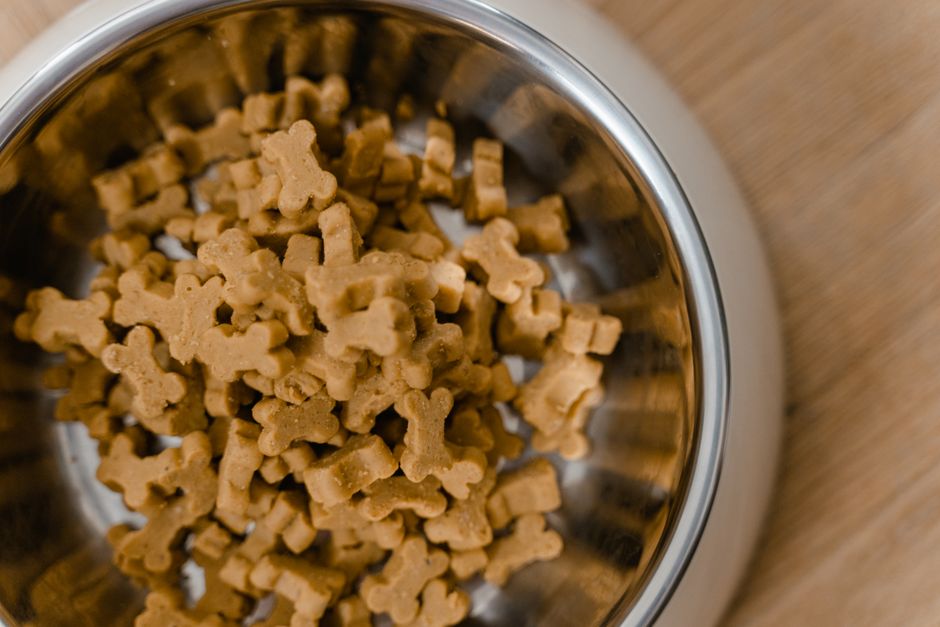
“Sustainable pet food” gets thrown around so loosely that it’s almost lost meaning. The way I define it — after years working in pet nutrition sourcing and product development — is food that considers the full chain: where the protein came from, how the land or water was used, how much got wasted before it reached your dog’s bowl, and whether the people involved in production were treated decently. That’s the real definition. Not a green leaf on the packaging.
I spent several years working on the supply side of the pet food industry — coordinating with ingredient suppliers, reviewing sustainability certifications, and sitting in rooms where the conversation was equal parts ethics and margin. What I saw changed how I buy food for my own animals, and it changed what I tell people when they ask me whether sustainable pet food is even worth the effort on a real American household budget.
The short answer: yes, but not in the way most brands want you to think.
Does “sustainable” on pet food labels actually mean anything?
Sometimes. And sometimes it’s pure decoration.
The U.S. pet food market is regulated by the Association of American Feed Control Officials (AAFCO) for nutritional standards, but AAFCO does not govern environmental or sustainability claims. That gap is wide enough to drive a truck through. Brands can say “responsibly sourced” or “eco-friendly” with almost no required proof. I’ve reviewed supplier documentation where the sustainability claim boiled down to one recycled cardboard insert.
What does carry weight? Third-party certifications — things like Marine Stewardship Council (MSC) certification for fish-based proteins, or verified organic certification from the USDA. If a brand is making environmental claims, I look for those labels specifically. Not a tagline. An actual audited certification from a recognized body.
If you don’t see one, treat the sustainability marketing as background noise.
Is sustainable pet food always more expensive?
This is the question I get most often, and the honest answer is: not necessarily, but the math is more nuanced than a price-per-bag comparison.
Here’s what I noticed on the supply side. Premium sustainable brands often use higher-quality protein sources with better digestibility. That means your pet absorbs more nutrients per ounce. A dog eating a more digestible food typically eats less volume to meet its nutritional needs — so you’re buying fewer bags over the course of a month. I’ve run those numbers myself. The per-feeding cost gap between a mid-tier conventional food and a quality sustainable option sometimes narrows significantly once you account for feeding volume.
That said, some sustainable brands are genuinely expensive, and not all of them justify the price with quality. There are brands at $80 a bag that are mostly marketing. There are also options in the $30–$50 range that use responsible sourcing and have the certifications to back it up. The price alone tells you almost nothing.
Which protein sources are actually more sustainable — and which ones surprised me?
When I started in this field, I assumed chicken was the safe, sustainable default. It’s everywhere. It’s affordable. It seemed like the obvious answer.
I was wrong, or at least I was oversimplifying.
Conventional poultry production in the U.S. carries significant environmental costs — water use, land use for feed crops, waste management. It’s not a disaster protein, but it’s not a green one either. What genuinely surprised me was insect-based protein. Companies using black soldier fly larvae, for example, can produce protein on a fraction of the land and water that conventional livestock requires. The larvae can be raised on organic waste streams. The lifecycle footprint is substantially lower. And in terms of amino acid profiles, insect protein is legitimate nutrition for dogs.
Is your dog going to love the idea? Probably not relevant — dogs don’t read ingredient lists. But it’s a real option that’s expanding in the U.S. market, and I think it deserves more mainstream attention than it gets.
Other proteins worth considering:
- MSC-certified fish: Look specifically for the blue MSC label. Wild-caught fish from certified fisheries can be genuinely sustainable. Generic “fish meal” with no origin disclosure? That’s a different story.
- Rabbit and venison: Often pasture-raised with lower input requirements than beef. These proteins show up in limited-ingredient diets and can be cost-effective in smaller serving sizes because of digestibility.
- Beef: The protein I’d be most cautious about. The land and water footprint of beef production is well-documented. That doesn’t mean you can’t feed your dog beef — but I’d prioritize brands that can document their sourcing practices rather than relying on vague “farm-raised” language.
Can I make sustainable pet food at home and actually save money?
Possibly — but this is where I have to be direct with you, because I’ve seen people do this badly.
Homemade pet food can be done sustainably and affordably. You can use human-grade ingredients, reduce packaging waste, and source proteins from local farms or butchers where you have actual visibility into the supply chain. In theory, that’s more transparent than anything you’ll find at a chain pet store.
The problem is nutritional completeness. Dogs — and especially cats — have specific micronutrient requirements that are genuinely difficult to meet with whole food ingredients alone without careful formulation. A board-certified veterinary nutritionist can help you build a recipe that’s both sustainable and complete. Without that guidance, homemade diets frequently end up deficient in key minerals or vitamins. I’ve seen it cause real harm over time.
If you’re drawn to this route, the investment is the consultation — not the ingredients. A proper recipe from a qualified nutritionist, supplemented correctly, can be sustainable and cost-competitive. Winging it from a random internet recipe is not the version I’d recommend.
What about packaging — does it actually matter for sustainability?
More than most people give it credit for, and also less than brands would like you to believe.
The honest truth is that the environmental impact of pet food is dominated by the ingredient side — what the protein is, how it was produced, how far it traveled. Packaging is real, but it’s downstream. Switching from a plastic bag to a compostable pouch while keeping the same conventionally farmed beef inside doesn’t move the needle much.
That said, packaging choices do matter at the margin. Brands using minimal packaging, concentrated or freeze-dried formats that reduce shipping weight, or genuinely recyclable materials through existing municipal programs — those efforts are worth acknowledging. I’d just caution against letting a pretty compostable bag be the reason you choose a brand over better-sourced ingredients in conventional packaging.
One thing that does make a meaningful difference: buying in larger quantities when your budget allows. Fewer shipments, less packaging per pound of food, and usually a lower per-ounce cost. That’s not glamorous advice, but it’s real.
Are there budget-friendly brands with genuine sustainability credentials?
I’m going to be careful here, because the market shifts and I don’t want to send you toward a brand that’s changed its sourcing practices since I last looked at it. What I can give you is a framework for evaluating what’s on the shelf.
Look for:
- Named protein sources with country of origin disclosure — not “poultry by-product meal” but “chicken meal, USA”
- Third-party certifications that are verifiable — MSC, USDA Organic, or Certified B Corporation status for the company overall
- Transparent supply chain information on the company’s website, not just marketing copy
- AAFCO statement of nutritional adequacy — sustainability means nothing if the food doesn’t meet basic nutritional standards
Mid-size brands that grew out of the natural pet food movement — companies that started small and built their sourcing relationships directly — tend to perform better on these metrics than either the ultra-cheap mass-market brands or the newest trendy premium launches, which sometimes prioritize branding over substance. I’ve worked with both types and the difference is usually visible within 20 minutes of reviewing their ingredient sourcing documentation.
How do I balance my values with what my pet actually needs?
This is the part where I’ll give you my honest opinion, not a balanced “on one hand, on the other hand” non-answer.
Your pet’s health comes first. Full stop. A sustainable food that’s nutritionally inadequate for your specific animal is not a good choice. If your dog has a health condition that requires a specific diet, or your cat has a protein sensitivity, those constraints are non-negotiable. Work with your veterinarian first.
Within those constraints — and for most healthy adult pets, those constraints still leave meaningful room — sustainability is a legitimate factor to weight. It’s not hippie idealism. The pet food industry in the U.S. is enormous, and consumer purchasing decisions do move supplier behavior over time. I watched it happen in my years in the industry. When enough buyers started demanding sourcing transparency, brands that had never thought about it started asking their suppliers for documentation.
You’re not saving the world by buying one bag of MSC-certified fish-based kibble. But you’re not doing nothing either.
What do most sustainable pet food guides leave out?
The part about your pet’s individual biology, and I think that omission is significant.
Cats are obligate carnivores. Their nutritional requirements are not negotiable in the way that a dog’s can be slightly more flexible. Grain-free, plant-forward, or low-meat formulations that might work adequately for some dogs are genuinely problematic for cats without very careful formulation. I’ve seen well-intentioned cat owners gravitate toward plant-based or heavily reduced-protein options for sustainability reasons, and it caused real nutritional problems.
Dogs have more flexibility — but even there, individual variation matters. Senior dogs, large breeds, and dogs with specific health histories respond differently to different protein sources and formulations. “Sustainable” is not a universal feeding plan. It’s a lens you apply after you understand what your specific animal needs.
The guides that skip this step are doing you a disservice. They make sustainability sound like a simple product swap when it requires a little more thought than that.
The one thing I’d ask you to do
If you take nothing else from everything I’ve written here, take this: look up the sourcing transparency page of whatever brand you’re currently feeding your pet.
Not the marketing page. Not the “our story” section. The actual sourcing or ingredient origin documentation. If the brand doesn’t have one — if there’s no information about where the protein comes from, no certifications, no supply chain disclosure — that absence tells you something. Good brands in 2026 have this information available because they’ve been pushed to provide it. The ones that don’t are the ones you should be questioning, regardless of how sustainable their packaging looks.
That single step — just looking — will tell you more about the real sustainability of your pet’s food than any label claim on the front of the bag. And it costs you nothing but ten minutes.




Publicar comentário