Why Vets Now Recommend Raw Diets for Dogs (And Why It Matters)
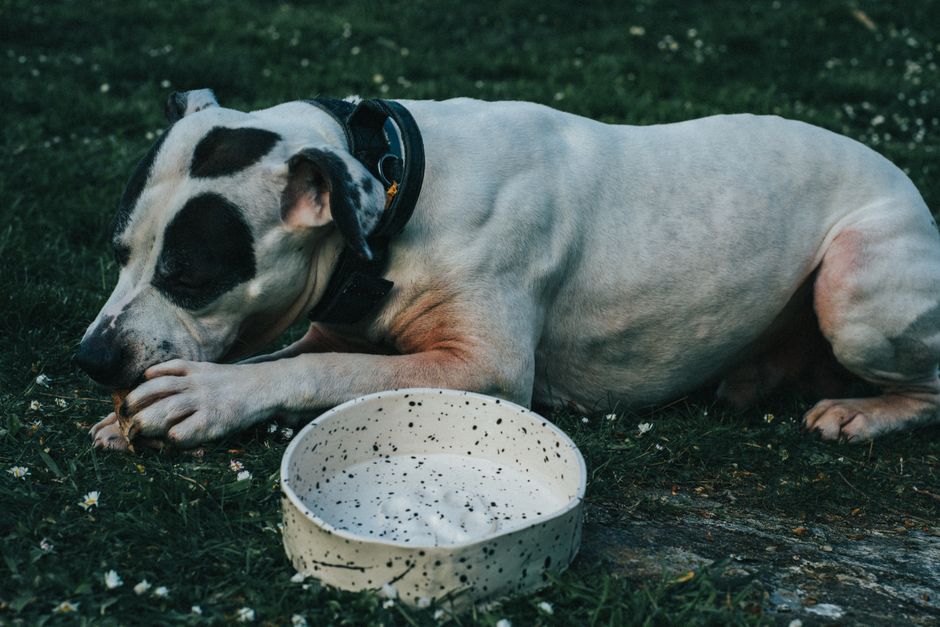
My dog, Biscuit, had been scratching himself raw for almost two years. Not the occasional itch — I mean the kind of frantic, middle-of-the-night scratching that leaves red welts on his belly and makes you feel like the worst pet owner alive. We’d done the allergy panels, the hydrolyzed protein kibble, the omega-3 supplements sprinkled on top of whatever expensive bag promised “skin support.” Nothing stuck. A neighbor — someone who’d been feeding raw for years — mentioned, almost offhandedly, that her shepherd’s chronic ear infections cleared up within months of switching. I was skeptical. I was also desperate.
That was about eighteen months ago. I’m still in it. Still learning, still adjusting ratios, still occasionally second-guessing myself at the grocery store when I’m holding a pound of chicken hearts wondering if I’m doing this right. And that’s exactly why I think I’m the right person to talk about this — not a vet with a polished brochure, not a raw-feeding evangelist who’s forgotten what confusion feels like. Someone who’s knee-deep in the process and paying attention.
The Myth That Raw Feeding Is Some Fringe, Dangerous Fad
When I first mentioned raw feeding to my then-vet, the reaction was — let’s say — chilly. I got the speech about bacteria, the speech about nutritional imbalances, the general implication that I’d been watching too many Instagram reels. And look, I understand where that comes from. The veterinary establishment has legitimate concerns, and I’m not here to dismiss them wholesale.
But here’s the reality: raw feeding has been practiced for decades, and the conversation among veterinary professionals has genuinely shifted. The American Holistic Veterinary Medical Association has long recognized raw and minimally processed diets as a valid feeding approach when done correctly. And more recently, board-certified veterinary nutritionists have begun publishing peer-reviewed work examining the actual evidence — rather than reflexively dismissing the practice.
What I found, digging past the hot takes on both sides, is that the risks of raw feeding are real but manageable, and the benefits — for the right dog — are significant enough that dismissing the whole thing as dangerous pseudoscience doesn’t hold up anymore.
Myth: “Kibble Is Scientifically Complete, So Why Bother?”
This one used to stop me cold. The bag says “complete and balanced.” The AAFCO (Association of American Feed Control Officials) guidelines are right there on the label. What’s left to argue?
Here’s what I didn’t understand at first: “complete and balanced” means the food meets minimum nutritional standards — it doesn’t mean it’s the optimal way to deliver those nutrients. Bioavailability matters. The form in which a nutrient is delivered affects how well a dog’s body actually uses it. Highly processed food — food cooked at temperatures high enough to extend shelf life for eighteen months — changes the structure of proteins and degrades heat-sensitive nutrients like certain B vitamins and enzymes.
I’m not making a sweeping claim that kibble is poison. Plenty of dogs live long, healthy lives on high-quality kibble. But the argument that kibble is automatically superior because it carries a compliance label is circular logic. AAFCO standards were built to prevent deficiency, not to define ideal nutrition.
When I switched Biscuit to a raw diet — starting with a premade frozen raw from a commercial brand that sources USDA-inspected ingredients — his coat changed within six weeks. Noticeably. His scratching didn’t vanish overnight, but by month three it had dropped to what I’d describe as normal dog behavior. That’s not a controlled study. But it’s also not nothing.
Myth: “Raw Diets Are Just Meat — Dogs Need Carbs Too”
This misunderstands both canine biology and what a properly constructed raw diet actually looks like. Dogs are facultative carnivores — their digestive systems are built around animal protein and fat, with relatively short intestinal tracts and highly acidic stomach environments designed to handle raw meat and bone. They can digest carbohydrates, but carbohydrates are not a dietary requirement for dogs the way they are for humans.
A biologically appropriate raw food (BARF) diet typically includes muscle meat, raw meaty bones, organ meat (usually around 10% liver and other secreting organs), and sometimes small amounts of vegetables or fruits. The goal is to approximate, as closely as practical, what a dog’s body evolved to process. That’s not the same as tossing a raw chicken thigh in a bowl and calling it done.
This is the part where I’ll be honest: the learning curve is real. Getting the calcium-to-phosphorus ratio right matters. Feeding too much liver causes loose stool fast — I learned that the messy way. Variety across protein sources is important to prevent nutritional gaps over time. If you go into raw feeding thinking it’s simpler than kibble, you’re going to make mistakes.
What Vets Who Recommend Raw Are Actually Saying
The framing that “vets now recommend raw diets” needs some nuance, because it’s not uniform. What’s more accurate is that a growing number of integrative and functional veterinarians are open to — and in some cases actively recommending — raw or minimally processed diets for specific dogs with specific conditions. Chronic skin issues. Inflammatory bowel disease. Dogs who’ve failed multiple commercial diets.
Some veterinary schools have begun incorporating more nuanced discussion of alternative nutrition into their curricula, moving away from the historically industry-influenced view that commercial kibble is the default gold standard. That’s a shift worth noting, even if it’s incremental.
My current vet — I switched — doesn’t push raw, but she doesn’t dismiss it either. She monitors Biscuit’s bloodwork every six months and has said plainly that his numbers look good. That matters to me more than any ideology on either side.
Myth: “Raw Meat Will Make Your Dog (and You) Sick”
The bacterial contamination argument is the one that sounds most alarming and deserves the most honest response. Yes, raw meat carries bacteria — Salmonella, E. coli, Listeria. These are real. The question is whether they pose a meaningful risk to a healthy dog and a careful human.
Dogs’ digestive systems are significantly more resistant to pathogens in raw meat than human digestive systems are. Their stomach acid is considerably more acidic than ours, and transit time through the gut is faster, which limits bacterial colonization. That doesn’t mean immune-compromised dogs should be fed raw without veterinary guidance — it means the risk profile is different from what it would be for a person eating the same food.
For the human side of the equation: basic food safety practices apply. Wash hands and surfaces. Don’t let raw meat sit at room temperature. Keep raw food separate from human food preparation areas. Thaw in the refrigerator, not on the counter. These aren’t exotic precautions — they’re what you’d do handling any raw meat in your kitchen.
I handle raw dog food the same way I handle raw chicken I’m about to cook for dinner. So far, neither Biscuit nor I have had any issues.
The Benefits I’ve Actually Seen — and the Ones I’m Still Watching
I want to be careful here. I’m one person with one dog. I’m not a controlled study.
What I’ve observed in Biscuit over the past eighteen months:
- Significantly reduced skin inflammation. The chronic scratching that drove me to try raw in the first place has largely resolved. Whether it’s the elimination of certain processed ingredients, the improved fatty acid profile in the diet, or something else — I can’t say with certainty. But the change is undeniable.
- Smaller, firmer stools. This sounds unglamorous, but it’s actually a meaningful indicator. Less filler, more absorption. Dogs on raw typically produce less waste volume because more of the food is actually being used.
- Better dental health. Raw meaty bones act as natural tooth cleaning. Biscuit had significant tartar buildup before the switch. His teeth now are noticeably cleaner, and his last vet check confirmed it.
- Consistent energy without the peaks and crashes I used to see after meal times. This one is harder to quantify, but he just seems more even-keeled.
What I’m still watching: joint health over the long term. Biscuit is only four, so I don’t have longitudinal data yet. I’ve read enough to know that appropriate calcium intake from raw bones matters for skeletal health, and I’m diligent about variety and balance. But I won’t claim I’ve seen dramatic joint benefits because I genuinely don’t know yet.
Myth: “It’s Too Expensive and Complicated for Most People”
Cost is real. Raw feeding is generally more expensive than mid-range kibble. I’m not going to pretend otherwise. But the gap between premium commercial raw and a high-quality grain-free kibble is smaller than people assume — especially if you source smart. Local ethnic grocery stores often sell organ meats and chicken backs at prices that make the math work. Buying in bulk from a regional raw food supplier can cut costs significantly.
The complication argument I push back on more directly. Once you understand the basic framework — roughly 80% muscle meat, 10% raw edible bone, 10% organ (with about half of that being liver) — the day-to-day execution is not complicated. It’s different from scooping kibble, yes. But “different” and “complicated” aren’t the same thing.
Premade commercial raw options — frozen or freeze-dried — have also made entry into this space much more accessible than it was even five years ago. Several reputable brands now offer complete formulas that do the nutritional balancing for you. It’s a reasonable starting point if you’re not ready to DIY.
Before You Switch Your Dog — The Honest Checklist
If you’re considering this, here’s what I’d want someone to have told me before I started:
- Work with a vet who is at minimum open to discussing raw feeding. Bloodwork before and during the transition gives you actual data.
- Transition slowly — typically over two to four weeks — to avoid digestive upset.
- Variety is not optional. Rotating proteins prevents nutritional gaps and keeps the gut microbiome diverse.
- Raw meaty bones should always be raw, never cooked. Cooked bones splinter; raw bones flex.
- If your dog is immunocompromised, elderly, or recovering from illness, have a deeper conversation with a vet who knows raw nutrition before starting.
None of this is meant to scare you off. It’s meant to make sure you go in informed rather than enthusiastic and unprepared — which is exactly how I went in the first time, and why my first two weeks were messier than they needed to be.
Here’s where I land, after eighteen months of doing this imperfectly and watching Biscuit genuinely thrive: the conversation has moved. The reflexive dismissal from parts of the veterinary community is softening as more nuanced research accumulates. The benefits — for many dogs — appear to be real. The risks are manageable with basic knowledge and care.
But I keep coming back to the same question, and I think it’s worth leaving it with you: if we’ve accepted that ultra-processed food is bad for human health over the long term, why are we so quick to assume that a highly processed, shelf-stable product is the optimal baseline for an animal that evolved eating something else entirely?




Publicar comentário