Keep Your Pet Safe This Summer: What Actually Works
According to the American Veterinary Medical Association, heat-related illness is one of the leading causes of preventable pet deaths during summer months in the United States — and the numbers have not been improving in recent years. I spent close to a decade working in veterinary emergency care and later as a pet safety consultant for animal shelters across the Southwest, and I can tell you that most of those cases weren’t accidents. They were gaps between what owners believed was safe and what the science actually shows.
That gap is what I want to close here. Not with a feel-good checklist, but with an honest look at what genuinely protects pets in summer heat — and what gives people a false sense of security.
The Cooling Methods People Swear By — and Why Some Fall Short
Let me start with a real tension: there are popular summer pet safety recommendations that circulate every year, and some of them are either incomplete or actively misleading when applied without context. I’ve seen this play out firsthand.
Wetting a Dog’s Fur Helps — But Not Always How You Think
Spraying cool water on a dog is genuinely useful, but the reasoning most people have for it is off. Dogs don’t sweat through their skin the way humans do. Their primary cooling mechanism is panting, which moves air across the moist surfaces of the mouth and upper respiratory tract. Wetting their coat helps mainly by cooling the skin surface and reducing radiant heat load — it’s not directly enhancing their primary cooling system.
The practical consequence: wetting a dog down and then leaving them in a humid, still environment with poor air circulation doesn’t help much. Moving air — a fan, shade with a breeze, air conditioning — does far more. Water plus airflow is the combination that works. Water alone in a closed hot room is incomplete at best.
The “It’s Only 80°F, That’s Fine” Mistake
One of the most persistent misconceptions I encountered professionally is the belief that moderate ambient temperatures are safe for pets in enclosed spaces. They are not. According to research published by veterinary thermoregulation specialists and consistently cited in emergency veterinary practice, the temperature inside a parked car can rise by roughly 20°F within the first ten minutes — regardless of whether windows are cracked.
On an 80°F day in Phoenix or Houston, a car interior can reach 100°F in under ten minutes. At that point, dogs — particularly brachycephalic breeds like French Bulldogs, Pugs, and Boston Terriers — are at serious risk of heatstroke within minutes. I’m not exaggerating for effect here. I’ve seen it. That’s why every credible veterinary organization in the US is categorical: no pets in parked cars during summer, period.
Ice Water: The Debate That Actually Matters
This one surprised me when I first encountered the clinical evidence. The widespread advice to give dogs ice water to cool them down is contested in veterinary emergency medicine. The concern is that extremely cold water causes peripheral vasoconstriction — the blood vessels near the skin contract, which can actually slow heat dissipation from the core. The more current guidance from emergency veterinary practitioners leans toward cool (not ice-cold) water for both drinking and external cooling during active heatstroke treatment.
For a healthy dog on a hot day who hasn’t yet overheated, cold water is generally fine in moderate amounts. But if you’re actively trying to cool down a dog showing heatstroke symptoms — excessive panting, drooling, disorientation, red gums — reach for cool water, not ice, and get to a vet immediately. Don’t try to manage heatstroke at home beyond initial first aid.
What Actually Does Work: The Unglamorous Fundamentals
After years of seeing what separates the pet owners who never had a heat emergency from those who did, the difference almost always came down to basics done consistently — not fancy gear or expensive products.
Shade and Airflow Are Non-Negotiable
I realize this sounds obvious, but the specifics matter. Not all shade is equal. Shade from a solid roof structure that traps heat underneath is significantly less effective than shade from trees or an elevated canopy that allows air movement. Dogs and cats resting on hot pavement in the shade of a solid wall are still absorbing radiant heat from the ground surface.
For outdoor dogs, the setup that genuinely works: elevated cot-style beds (they allow airflow beneath the animal), access to shade that moves with the sun across the day, and a consistently refilled water source that stays cool — not just filled once in the morning.
Timing Walks Around Pavement Temperature
The “seven-second rule” — press the back of your hand to pavement for seven seconds; if it’s too hot to hold, it’s too hot for paw pads — isn’t a myth. Dog paw pads can suffer thermal burns from asphalt that has been absorbing solar radiation all afternoon. In direct sun, dark asphalt can reach surface temperatures well above ambient air temperature on a 90°F day.
Walking dogs early morning or after sunset isn’t just about avoiding heat exhaustion — it’s about protecting paw tissue. I learned to take this seriously after seeing paw pad burns in the clinic that owners genuinely hadn’t anticipated, because the air temperature had seemed manageable. Air temperature and ground surface temperature are two different things.
Hydration: More Specific Than “Always Have Water Available”
Cats, notoriously, are poor self-regulators of water intake — particularly when their water source is a single still bowl. Multiple water stations, water fountains (which some cats prefer because the movement signals freshness), and wet food during summer can meaningfully increase a cat’s daily fluid intake. This matters because dehydration in cats during summer heat compounds the risk of urinary tract issues that are already more common in warm months.
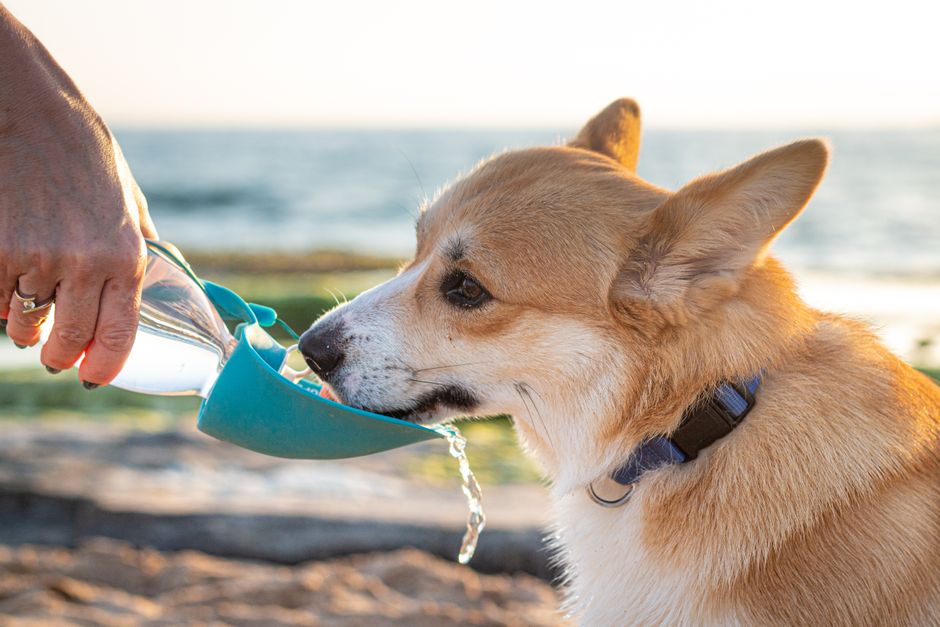
Dogs are generally better self-regulators, but working dogs, dogs with heavy coats, and brachycephalic breeds need proactive encouragement to drink — not just access. Bringing water on walks and offering it frequently is more effective than assuming they’ll drink when they need to.
The Products Worth Considering — and the Ones That Are Mostly Marketing
The summer pet safety market in the US has expanded significantly. Some products are genuinely useful. Others are sold on anxiety more than evidence.
Cooling Mats and Vests: Real Benefit, Real Limitations
Cooling mats — the pressure-activated gel kind — do provide a meaningful surface temperature reduction for a dog lying on them. The limitation is that they lose their cooling capacity after sustained use and in high ambient temperatures, they re-equilibrate to room temperature faster. They work well in air-conditioned spaces as a supplemental comfort measure. In a hot garage or outdoor kennel without airflow, they are not a substitute for actual temperature management.
Cooling vests for dogs work on the same evaporative principle as human cooling vests — wet the vest, the evaporation draws heat from the body. They’re genuinely useful for working dogs, dogs at outdoor events, or situations where you need to extend a dog’s tolerance for outdoor activity. They’re not magic — in high humidity, evaporative cooling is less effective, and the vest needs to stay damp to work. If you’re in Florida in July, manage your expectations.
Sunscreen for Pets: Yes, This Is a Real Thing — With Real Rules
Pets with light-colored or thin coats, pink skin, or white fur on the nose and ear tips — think white Bull Terriers, light-coated Whippets, white cats — are genuinely at risk for solar-induced skin damage and even squamous cell carcinoma with repeated sun exposure. Pet-safe sunscreen (specifically formulated without zinc oxide and without PABA, both of which are toxic to dogs and cats) is a legitimate recommendation from veterinary dermatologists for these animals.
Human sunscreen is not safe for pets. The zinc oxide commonly found in broad-spectrum human formulations is toxic when licked and absorbed. This is one of those details that most general summer pet safety articles skip over — and it matters if you own a light-coated dog who spends time outside.
The “Shaving Your Double-Coated Dog” Debate
This one generates real disagreement. The conventional wisdom among groomers and many veterinarians is that shaving a double-coated breed — Huskies, Golden Retrievers, German Shepherds — actually compromises their natural insulation and sun protection, and can lead to coat damage. The undercoat, when properly managed through brushing, creates airflow channels that help regulate temperature.
I’ve heard the counterargument from some practitioners: in extreme heat climates, certain dogs may benefit from a trim. The honest position is that a thorough deshedding and regular brushing is universally agreed upon as beneficial, while full shaving of double-coated breeds remains contested. If you’re considering it, talk to a veterinarian who knows your specific dog’s coat type and health history — not just a groomer with a strong opinion either way.
Signs of Heat Exhaustion vs. Heatstroke: The Distinction That Saves Lives
This is the part of summer pet safety that I feel most strongly about, because the window between “heat exhaustion” and “heatstroke” is short, and most pet owners don’t know what they’re looking at.
Heat Exhaustion
Heavy panting, increased salivation, mild lethargy, and slightly elevated body temperature. At this stage, moving the animal to a cool environment, offering cool (not cold) water, and allowing rest is often sufficient. The animal is still responsive, alert, and coordinating normally.
Heatstroke
Heatstroke is a medical emergency. Signs include:
- Excessive panting that doesn’t slow down in a cool environment
- Bright red or pale/white gums (both are concerning)
- Thick, ropy saliva
- Vomiting or diarrhea, sometimes with blood
- Disorientation, stumbling, or seizures
- Collapse or unresponsiveness
If you see these signs, you are dealing with a veterinary emergency. Begin cooling immediately with cool (not ice) water on the neck, armpits, and groin — areas with high blood vessel density — and transport to an emergency vet without delay. Do not wait to see if the animal improves on its own. Internal organ damage from sustained high body temperature can occur within minutes, and some of that damage is irreversible even if the animal survives.
A dog’s normal body temperature is approximately 101–102.5°F. Heatstroke typically begins above 104°F, and above 106°F, organ damage and death become significant risks. These aren’t numbers to memorize — they’re context for understanding why speed matters.
The Risks That Get Underreported Every Summer
Hot cars and dehydration dominate the conversation. But there are summer hazards that veterinary emergency clinics see regularly that don’t get nearly the same media attention.
Blue-Green Algae in Lakes and Ponds
Cyanobacteria blooms — commonly called blue-green algae — are a genuine and underreported summer threat to dogs across the US, particularly in warmer states. Dogs who swim in or drink from affected water can develop rapid-onset liver failure and neurological symptoms. The ASPCA Animal Poison Control Center receives calls about algae exposure every summer. If water looks green, murky, or has visible surface blooms, keep your dog out of it. There is no safe way to identify a toxic bloom by appearance alone.
Hot Surfaces Beyond Pavement
Metal surfaces — boat decks, truck bed liners, metal stairs — can reach temperatures that cause immediate paw burns even faster than asphalt. This catches people off guard at the lake or on camping trips. Always test surfaces before letting a dog walk on them during peak sun hours.
Foxtail and Other Seasonal Plant Hazards
While not heat-specific, foxtail grass seeds become airborne and dangerous during dry summer months across much of the Western US. They can embed in ears, paws, eyes, and even migrate internally if inhaled. Checking a dog thoroughly after outdoor time in grassy or brushy areas is a summer habit worth building — the resulting injuries are more serious than most people expect from a grass seed.
My Honest Assessment of Where People Go Wrong
After years in this field, the pattern I kept seeing wasn’t ignorance — it was overconfidence. People who loved their animals and thought they had it handled, because they’d done “basically the same thing” the previous summer and it was fine. Heat events don’t announce themselves with escalating warnings. They compound quickly, and by the time signs are obvious, the margin for intervention has often narrowed dramatically.
The single most effective thing I saw change outcomes — more than any product, more than any specific technique — was pet owners who had internalized that summer safety is active management, not passive provision. Having water available isn’t the same as ensuring the animal is drinking. Having shade available isn’t the same as knowing the shade stays effective throughout the afternoon. The difference is attentiveness, not expense.
I’m also honest about the limits of what I can tell you without knowing your specific animal. A seven-year-old Bulldog in Memphis has a different risk profile than a three-year-old Border Collie in Maine. If you have a brachycephalic breed, a senior pet, an animal with cardiac or respiratory conditions, or a very young animal — talk to your vet before summer in your region peaks, not after an incident. Summer pet safety for high-risk animals is a veterinary conversation, not just a Google one.
What would you do differently this summer if you found out that something you’ve been doing for years — with the best intentions — was actually giving you a false sense of security rather than real protection?



Publicar comentário