Why Indoor Cats Won’t Drink Enough Water (And How to Fix It)
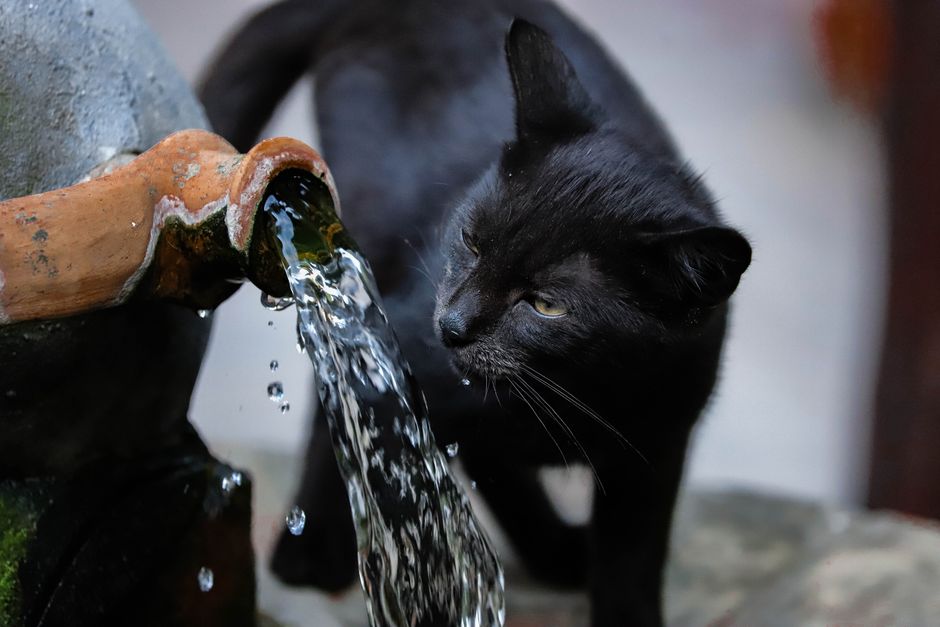
It’s 7:14 a.m. and your cat has walked past her water bowl four times without stopping. You filled it last night — fresh, cold, right next to her food — and she hasn’t touched it. Meanwhile, she’s crying at the bathroom faucet again. You let her drink for thirty seconds, she walks away satisfied, and you wonder: what is going on with this animal?
If you’ve been there, you already know the frustration. You did everything “right.” The bowl is clean. The water is filtered. And still, your indoor cat is probably mildly dehydrated more often than you’d like to admit.
Here’s the thing most cat care articles won’t tell you: the problem isn’t that your cat is being difficult — it’s that the domestic indoor environment is fundamentally mismatched with how cats are biologically wired to get water. Wild cats rarely drink from standing water. They get most of their hydration from prey — raw meat is roughly 70% moisture. An indoor cat eating dry kibble is essentially being asked to retrofit a desert predator’s physiology to a lifestyle that looks nothing like the one that physiology was built for. That’s the real gap. Everything else flows from that.
1. Why Cats Are Wired to Avoid Still Water
Cats instinctively distrust water that isn’t moving. In the wild, still water near a carcass or in a stagnant pool is more likely to carry bacteria and parasites. Moving water signals freshness and safety. This isn’t a quirk — it’s a survival mechanism that’s roughly 10,000 years old and hasn’t been engineered out of them by domestication.
That’s why your cat walks past the bowl and cries at the faucet. The faucet moves. The bowl doesn’t. She’s not being dramatic; she’s being a cat.
Veterinary professionals have noted for years that cats have a low thirst drive compared to dogs. Studies on feline physiology suggest cats evolved in arid environments where they could go long stretches relying on food moisture rather than independent water intake. The consequence in a modern indoor home: if your cat is eating primarily dry food, she may chronically consume far less water than her kidneys need — and show no visible signs of thirst until the deficit is significant.
This low thirst drive is one reason chronic kidney disease is one of the most common conditions in senior cats. It doesn’t develop overnight. It builds quietly, over years, from a body that was always running slightly dry.
2. The Dry Food Problem Nobody Talks About Loudly Enough
Dry kibble typically contains around 10% moisture. Wet canned food sits at roughly 70–80%. A cat eating only dry food and drinking from a bowl needs to voluntarily consume several times more water than a cat getting wet food — and because of that low thirst drive, most don’t close the gap.
I’m not here to tell you to throw out the kibble entirely. That’s not realistic for most households, and some cats genuinely won’t eat wet food without a weeks-long transition. But understanding the moisture math changes how you think about hydration. If your cat eats 100% dry food, no amount of “better bowls” fully compensates. The most effective single intervention most cat owners can make is adding even a small amount of wet food — one meal a day — to the rotation.
Even mixing a tablespoon of low-sodium chicken broth (no onion, no garlic — read the label) into dry food increases moisture intake measurably. It’s not elegant, but it works.
3. Water Placement: The One Rule Most People Break
Don’t put the water bowl next to the food bowl. I know — it feels logical, like a place setting at a table. But cats are hunters. In the wild, they don’t drink where they eat, because a carcass near a water source means potential contamination. That instinct persists.
Move the water bowl to a completely different room. Put one in the hallway. One near a window where the cat already likes to sit. One in the bathroom if she’s already drawn to that space. Multiple locations — at least two or three for a single indoor cat — dramatically increase the chances she’ll drink spontaneously throughout the day just from passing by.
The other placement rule: don’t put water in a corner or against a wall. Cats prefer to drink where they can see the room. Predator instinct, again. Feeling exposed while drinking is uncomfortable for them. A bowl in an open area, or slightly elevated on a low step or platform, tends to get more use.
4. The Water Fountain Test: A Real Before-and-After
A friend of mine — three cats, all indoor, two seniors — spent about a year convinced her cats were just “not big drinkers.” One of her older cats got a kidney disease diagnosis at age 11, and her vet made the hydration conversation non-negotiable.
She bought a ceramic pet water fountain (the kind with a low-flow waterfall feature, not the loud bubbling ones) and placed it in the living room, away from the food station. Within 48 hours, her youngest cat was using it constantly. The seniors took about five days to warm up. By week two, she was refilling the reservoir noticeably more often than she’d ever had to refill the old bowl.
Did it fix everything? No. Her senior cat still needed a prescription diet and regular monitoring. And there was one week where she forgot to clean the fountain filter and the cats stopped using it entirely — which is a real thing that happens. Fountains require cleaning every 3–4 days and filter replacement roughly monthly. If you skip that, cats notice the biofilm before you do.
But the net effect was real. More water consumed, more consistently, with less effort on her part than any other change she’d tried.
5. What Doesn’t Work (And Why People Keep Trying It)
Let’s be direct about a few popular ideas that sound good but consistently underdeliver:
- Adding ice cubes to the bowl. Some cats are briefly curious. Most ignore it within minutes. Ice cools the water but doesn’t address the still-water problem, and in winter months some cats actively prefer room-temperature or slightly warm water. Cold water can actually discourage drinking in some individuals.
- Fancy “cat water” products with added flavor. There are products marketed specifically to encourage drinking, and a few cats respond well. But the majority of the results I’ve seen — and heard from other cat owners — are temporary. Cats get bored with novel flavors faster than marketers anticipate.
- Reminding yourself to offer water more often. This is well-intentioned but fails because it relies on your consistency, not structural change. A fountain or a second bowl doesn’t need you to remember anything.
- Switching to “grain-free” or “premium” dry food. The moisture content of grain-free dry kibble is still roughly 10%. Premium marketing doesn’t change the physics. If it’s dry, it’s dry.
6. Reading Your Cat’s Hydration: What to Actually Watch For
Cats hide discomfort well — it’s another survival mechanism — so mild dehydration often has no dramatic symptoms. But there are signals worth knowing:
- Skin tent test: Gently pinch the skin at the back of the neck and release. In a well-hydrated cat, it snaps back immediately. If it stays tented for even a second, that’s a flag.
- Dry or tacky gums: Healthy cat gums are moist and slightly slick. Dry or sticky gums suggest dehydration.
- Decreased litter box output: If you’re scooping less liquid waste than usual and nothing else has changed, water intake has likely dropped.
- Lethargy or sunken eyes: These indicate more significant dehydration and mean a vet visit, not just a new water bowl.
If your cat is showing the last two symptoms, stop reading articles and call your vet. Moderate to severe dehydration in cats can turn serious within 24–48 hours.
7. The Senior Cat Exception
Everything above applies, but senior cats — generally considered 11 years and older — need a more proactive approach. Kidney function declines with age in most cats, which means they need more water to do the same filtration work, at the exact time when their mobility and motivation to seek water may be decreasing.
For seniors, consider adding a water source near wherever the cat spends most of her resting time. If she’s sleeping on the couch 14 hours a day, a bowl within three feet of that spot changes the equation. She doesn’t have to be motivated — she just has to be nearby.
Some veterinarians recommend periodic subcutaneous fluid administration at home for cats with early kidney disease — a process they’ll teach you in the office and that sounds much scarier than it actually is after the first two or three times. If your senior cat has a CKD diagnosis, ask about it directly. It’s more common than most pet owners realize.
8. Building a Setup That Works Without Daily Effort
The goal is a system that keeps water accessible and appealing without requiring you to think about it every day. Here’s what that looks like in practice:
- One ceramic or stainless steel fountain in a main living area (plastic holds odors and biofilm faster)
- One or two additional still-water bowls in separate rooms, cleaned and refilled daily
- At least one wet food meal per day, or dry food with added broth a few times a week
- A calendar reminder every 3 days to clean the fountain
That’s it. No gadgets, no subscriptions, no elaborate behavior modification. Just friction removal — making it easier for your cat to drink than to avoid drinking.
Start Here, Today
You don’t need to overhaul everything at once. Three small moves you can make before the end of the week:
1. Move the water bowl. Pick it up right now and put it in a different room, at least ten feet from the food. Don’t announce it to the cat — just do it. Watch what happens over the next 24 hours.
2. Add one wet food meal. Not a full diet change. Just one meal tomorrow morning — a small can or a pouch — in place of or alongside the dry food. See if she eats it.
3. Check the gums tonight. Thirty seconds. Lift the lip, press gently with one finger, release. Moist and pink? You’re probably fine. Sticky or pale? That’s a conversation for your vet, not just an article.
The faucet crying at 7 a.m. is your cat telling you something. It’s worth listening.

Publicar comentário