Unleash the Future: Top 2026 Pet Dental Care Trends Every Pet Owner Needs to Know

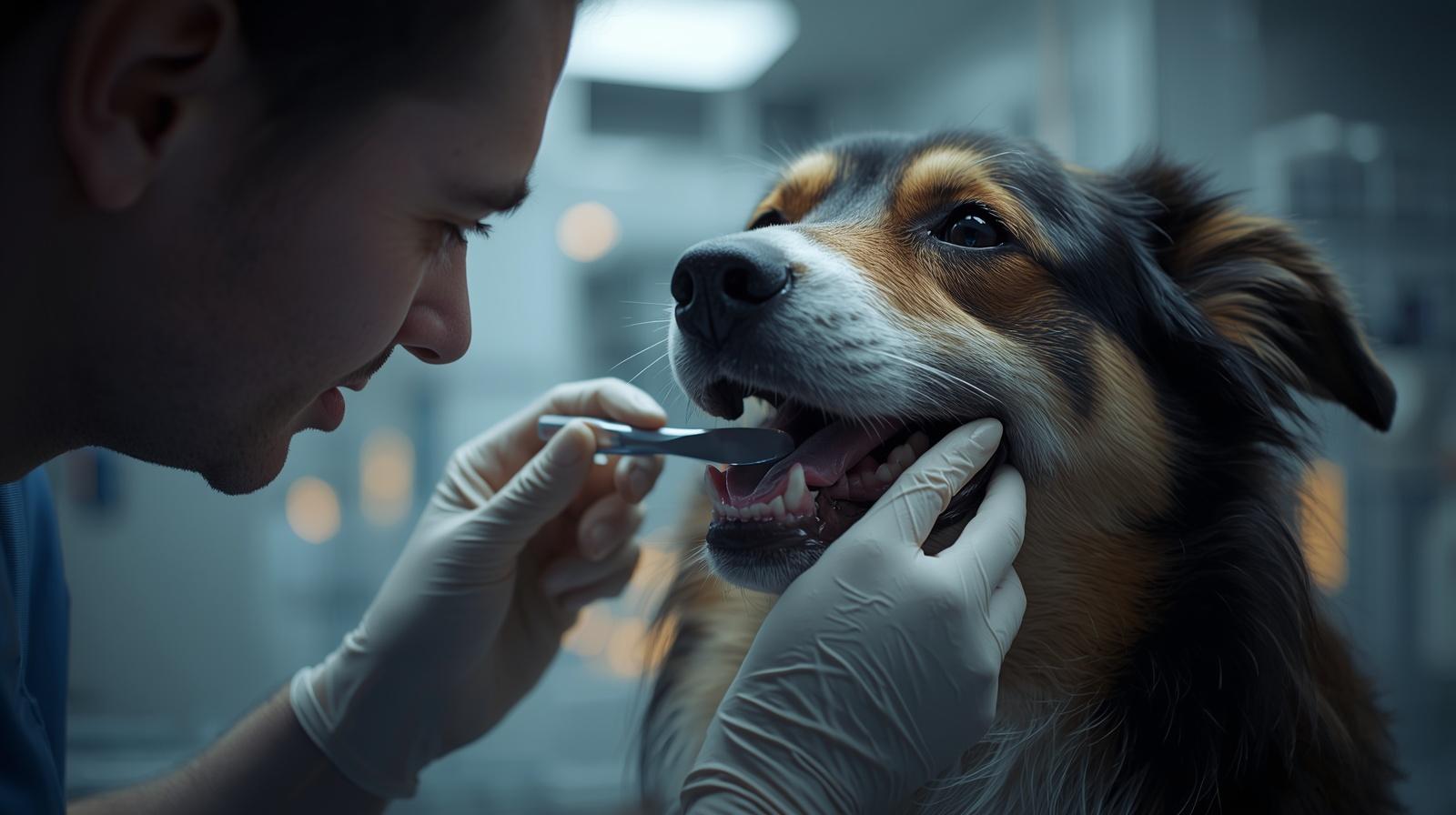
The world of pet dental care is changing faster than most people realize. As we move through 2026, the tools, techniques, and mindsets surrounding our pets’ oral health are evolving in ways that would have seemed impossible just a decade ago. Whether you’re a devoted dog parent or a dedicated cat lover, understanding these trends can make a real difference in the life, comfort, and long-term health of your furry companion. The gap between human dental care and pet dental care is closing quickly, and that’s genuinely exciting news for anyone who loves animals. Let’s take a deep dive into the top trends shaping pet dental care right now and explore what they mean for you and your beloved pet.
Teledentistry Is Transforming How We Connect With Veterinary Dental Experts
One of the biggest shifts happening in 2026 is the rise of teledentistry for pets. In the wake of the pandemic era, remote consultations became a lifeline across many industries, and veterinary dental care has embraced this model wholeheartedly. Today, pet owners can connect with licensed veterinary dentists through video conferencing platforms and digital imaging tools without ever having to leave their homes. This is a massive convenience shift that is genuinely changing lives, especially for people in rural or underserved areas where access to specialized veterinary dental professionals has historically been limited.
The mechanics of teledentistry are surprisingly straightforward. Pet owners use their smartphones or tablets to capture high-resolution images and short videos of their pet’s mouth, gums, and teeth. These are then shared securely with a veterinary dental professional who reviews them and provides personalized recommendations. The quality of modern smartphone cameras means these images are often detailed enough for a trained expert to spot early signs of gum disease, tooth decay, or oral abnormalities. This approach empowers pet owners to be proactive rather than reactive, catching issues before they escalate into painful and expensive problems.
Beyond convenience, teledentistry is also fostering a more informed community of pet owners. When people have easier access to professional guidance, they ask better questions and make better decisions. A quick virtual consultation can help a worried pet owner determine whether that bad breath is a sign of something serious or just a reminder to brush their dog’s teeth more regularly. The result is better outcomes for pets and a stronger, more communicative relationship between veterinary professionals and the families they serve.
Personalized Dental Care Plans Are Replacing the One-Size-Fits-All Approach
For too long, pet dental care followed a fairly generic playbook. Clean the teeth annually, maybe recommend a dental chew, and send the pet home. In 2026, that approach feels as outdated as a flip phone. Veterinary clinics are now leveraging advanced diagnostic technology, including 3D dental imaging and AI-powered oral health assessments, to build fully customized care plans for individual pets. These aren’t cookie-cutter templates. They are detailed, thoughtful strategies built around each animal’s unique biology, history, and risk profile.
A personalized dental care plan takes into account a wide range of factors. Breed plays a significant role because certain breeds, like Bulldogs, Pugs, and Persian cats, are genetically predisposed to dental crowding and periodontal disease. Age matters enormously too, since puppies and kittens have different dental milestones compared to senior pets. The pet’s dental history, previous procedures, dietary habits, and any systemic health conditions are all factored into the equation. The result is a roadmap that guides the pet owner and the veterinary team through targeted interventions, specific product recommendations, and scheduled follow-ups designed to keep that particular animal’s mouth as healthy as possible.
What makes this trend especially powerful is how it shifts the dynamic between the vet and the pet owner. Instead of receiving vague advice like “try to brush your cat’s teeth,” owners are getting specific guidance that fits their pet’s reality. They know which dental products are best suited for their animal’s needs, which foods to prioritize or avoid, and exactly when to schedule their next dental check. This level of clarity reduces anxiety, increases compliance, and ultimately leads to measurably better oral health outcomes for pets across the board.
Prevention Is Now the Cornerstone of Modern Pet Dental Health
The philosophy of prevention over treatment has always made sense in theory, but in 2026, it’s becoming the actual standard of care in forward-thinking veterinary practices. Pet owners are waking up to the fact that untreated dental disease doesn’t stay in the mouth. Bacteria from periodontal disease can enter the bloodstream and contribute to serious conditions affecting the heart, kidneys, and liver. This deeper understanding is motivating people to invest more time and resources in keeping their pets’ teeth clean before problems develop, rather than scrambling to fix them after the damage is done.
- Regular professional dental cleanings: Scheduling annual or biannual cleanings helps remove tartar buildup that home care simply cannot address, reducing the risk of gum disease and tooth loss.
- Daily home brushing routines: Using pet-safe toothpaste and breed-appropriate toothbrushes, even two to three times per week makes a statistically significant difference in long-term oral health outcomes.
- Dental chews and functional treats: High-quality dental chews approved by the Veterinary Oral Health Council (VOHC) mechanically reduce plaque and tartar while giving pets something they genuinely enjoy.
- Water additives and oral rinses: These easy-to-use products help control bacterial growth in the mouth between brushings and are especially useful for pets that resist traditional brushing.
- Subscription-based preventative care programs: Many clinics now offer affordable monthly plans that bundle routine dental care with wellness visits, making consistent prevention financially accessible for more families.
Veterinary clinics are doing their part by making preventative education a central part of every appointment. Clients are receiving detailed demonstrations on how to brush their pet’s teeth, handouts explaining the stages of dental disease, and reminders that early intervention is always cheaper and less traumatic than advanced treatment. The industry is recognizing that an educated pet owner is the most powerful tool in the fight against preventable dental disease.
Cutting-Edge Procedures Are Making Dental Treatments Less Stressful and More Effective
If the idea of your pet undergoing a dental procedure makes you anxious, the latest advancements in veterinary dentistry are likely to put your mind at ease. The field is experiencing a genuine revolution in minimally invasive and pain-free treatment techniques that are dramatically improving the experience for both animals and their owners. Two of the most exciting developments are laser dentistry and ultrasonic scaling, both of which are becoming increasingly available in modern veterinary practices around the world.
Laser dentistry uses precisely focused beams of light to remove diseased tissue, treat gum infections, and address oral lesions with remarkable accuracy. Unlike traditional drilling methods, laser treatment generates minimal heat and pressure, which means less discomfort during the procedure and significantly faster healing afterward. Pets treated with dental lasers typically experience less postoperative pain, reduced swelling, and a lower risk of infection compared to those treated with conventional surgical tools. For pet owners, this translates to shorter recovery periods and a less stressed animal coming home after their appointment.
Ultrasonic scaling is another game-changing technique that deserves attention. This method uses high-frequency vibrations to break apart and remove plaque and tartar deposits from tooth surfaces and below the gumline, all without the aggressive manual scraping that older methods required. The result is a thorough, effective cleaning that causes far less trauma to the delicate tissues surrounding the teeth. When combined with improved anesthesia protocols and more sophisticated pain management strategies, today’s dental procedures are safer, faster, and more comfortable than ever before. Veterinary professionals are able to do more for their patients in a single visit while minimizing recovery time and maximizing long-term results.
The Bigger Picture: Why Staying on Top of These Trends Matters for Your Pet
Understanding these trends isn’t just about being informed. It’s about taking real, actionable steps to give your pet a longer, healthier, and happier life. Dental disease is one of the most common yet most preventable health problems affecting dogs and cats today. Studies consistently show that the majority of pets over the age of three show signs of some form of periodontal disease, and yet regular dental care remains surprisingly underutilized by many pet owners. The trends emerging in 2026 are lowering the barriers to excellent dental care in ways that are practical, accessible, and genuinely exciting.
Teledentistry makes expert guidance available from your couch. Personalized care plans ensure your specific pet gets exactly what they need, not just a generic recommendation. A prevention-first mindset helps you stay ahead of problems rather than reacting to them in pain and panic. And minimally invasive procedures mean that when your pet does need treatment, it’s going to be a far more comfortable and efficient experience than it would have been even five years ago. All of these trends are working together to raise the standard of care across the entire industry.
The bottom line is simple: your pet’s mouth is a window into their overall health, and the tools available to protect it have never been better. Staying informed, asking questions at your next vet visit, and embracing even small changes in your home dental care routine can have a profound impact on how your pet feels every single day. A healthy mouth means a happier pet, and a happier pet means more quality time together for both of you. 🐾✨