Start Urban Beekeeping Without Killing Your First Hive
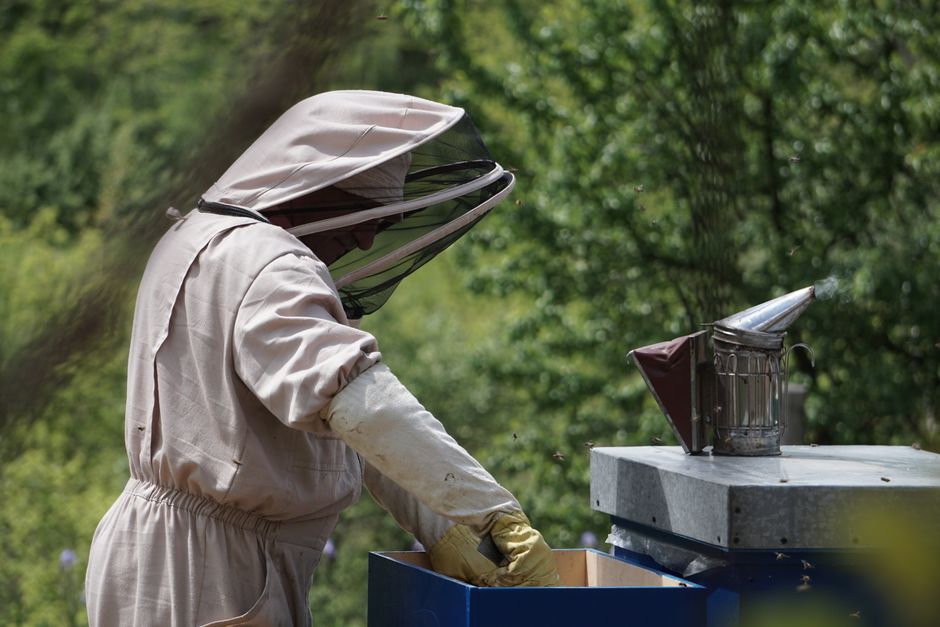
It’s a Saturday in late April, around 9 in the morning, and you’re standing on a rooftop in Chicago — or maybe a backyard in Portland — holding a smoker you’ve never lit before, wearing a veil that keeps fogging up, staring at a wooden box buzzing with roughly 10,000 bees you ordered online three weeks ago. Nobody told you it would feel exactly like this.
Most beginner beekeeping guides treat this moment as a logistics problem. Wrong hive placement, wrong gear, wrong timing. And sure, those things matter. But the real reason new urban beekeepers lose their first hive has almost nothing to do with equipment or technique. It’s overconfidence in the first 60 days. New beeks open the hive too often, disturb the colony during the wrong weather, and mistake normal behavior for crisis. The bees don’t die from neglect — they die from too much attention from someone who doesn’t yet know what they’re looking at.
1. Understand What “Urban” Actually Changes About Beekeeping
Urban beekeeping isn’t just rural beekeeping in a smaller yard. The foraging range, the legal constraints, the neighbor relationships, and the seasonal rhythms are genuinely different — and pretending otherwise will cost you a colony.
Honeybees forage in roughly a 1-to-2-mile radius. In a city, that radius might include a community garden in July, a lime tree on someone’s block in June, and a rooftop planter full of lavender three blocks away. Urban colonies can actually produce surprisingly well — some city beekeepers report yields that outpace suburban setups during peak nectar flows, partly because urban heat islands extend blooming seasons. But that same density means your bees are also flying over traffic, landing near pesticide-treated sidewalk planters, and competing with other pollinators in a compressed area.
Before you buy a single piece of gear, check your local ordinances. Some cities — including several large metros — have updated their urban beekeeping regulations as recently as 2025 and 2026. Registration fees, hive setbacks from property lines, and maximum colony counts vary wildly by municipality. A quick call to your city’s zoning or animal control office takes 20 minutes and saves you a $300 fine and a very awkward conversation with your landlord.
2. The Equipment List That Won’t Bankrupt You
You need less than you think. Here’s what actually matters for your first season:
- A Langstroth hive (10-frame or 8-frame): The 8-frame is lighter — around 40 to 45 lbs when full versus 60+ for the 10-frame — which matters a lot on a rooftop or if you have a bad back.
- A veil and gloves: A full suit looks impressive, but a jacket veil combo is cooler in summer and easier to manage alone. Leather gloves feel safer but reduce dexterity; nitrile gloves are underrated for new beeks.
- A smoker: Don’t cheap out here. A quality smoker with a heat shield holds a burn and stays lit. Budget ones die mid-inspection at the worst possible moment.
- A hive tool: The J-hook style. You’ll use it constantly.
- A beginner beekeeping book, physical copy: More on this in a minute.
Total startup cost for a basic setup runs somewhere between $300 and $600 before the bees themselves, depending on whether you buy new or source used equipment. A 3-pound package of bees with a mated queen typically runs $150 to $200 in most regions in spring 2026. Nucleus colonies (nucs) cost a bit more — usually $180 to $250 — but they’re more established and, honestly, a better choice for your first hive.
3. Keep the Book Closer Than Your Phone
This sounds old-fashioned. It isn’t. When you’re standing next to an open hive with bees on your gloves and something looks wrong, you do not want to be scrolling a Reddit thread or watching a YouTube video with one hand. You need a reference you’ve already read, with pages you’ve already dog-eared.
There are a few well-regarded beginner texts that have been around long enough to be genuinely trusted — The Backyard Beekeeper by Kim Flottum and Beekeeping for Dummies by Howland Blackiston are two that keep coming up in local club recommendations for a reason. Read one cover to cover before your bees arrive. Then re-read the inspection and queen sections again. The difference between a supersedure cell and a swarm cell is something you need to recognize in real time, not look up after the fact.
4. Find Your Local Beekeeping Club Before You Need It
Most states have active beekeeping associations, and most of those associations have local chapters that meet monthly. These groups are worth joining even if you feel like you’re not ready — especially if you feel like you’re not ready. Many chapters offer mentorship programs where an experienced beekeeper will do your first few inspections with you, which is worth more than any online course.
The American Beekeeping Federation and state-level groups maintain directories of local clubs. A quick search for “[your state] beekeeping association” will get you there. Dues are usually between $20 and $40 per year. The connections you make in the first month — the person who gives you a frame of brood when your colony is struggling, the mentor who texts you back at 7pm when you’re panicking — those are worth more than any piece of equipment.
5. A Real First Season: What Actually Happened
I installed my first nuc on a Sunday in early May — a five-frame nuc in a backyard in a mid-sized Midwestern city. The first three weeks went fine. The colony built up, I could see eggs on inspection days, and I felt like maybe this was going to be easier than everyone said.
Then I got cocky. I started opening the hive every four days instead of every seven to ten. I was curious. I wanted to watch them. By week six, the colony was noticeably more defensive — bees hitting my veil within seconds of cracking the outer cover. I thought I had an aggressive queen. What I actually had was a stressed colony that I’d disrupted five times in two weeks during a cold snap that I didn’t think counted as “bad weather.”
I backed off. Seven-day minimum inspections, only when it was above 55°F and not raining. The colony calmed down by mid-July. I didn’t harvest any honey that first year — I left it all for winter stores — and the colony came through the following March with a solid cluster. The lesson wasn’t about technique. It was about restraint.
6. What Doesn’t Work (And Why People Keep Trying It)
A few approaches are genuinely popular among beginners and genuinely counterproductive. Here’s where I’d push back:
- Starting with two hives “so you have a comparison.” This sounds logical. In practice, it doubles your cost, doubles your time commitment, and doubles your anxiety in year one. Learn one hive well. Add a second in year two when you actually know what normal looks like.
- Relying on Facebook groups as your primary resource. The advice quality is all over the place, the regional variation rarely gets acknowledged, and you can easily get five contradictory answers to a simple question. Use them for community. Use your book and your local mentor for decisions.
- Skipping Varroa mite treatment because “I want to be treatment-free.” I respect the philosophy, but in an urban environment with high colony density, Varroa mite loads build fast. Colonies that go untreated through their first winter face steep odds. According to the USDA’s annual colony loss surveys, Varroa remains the leading identified stressor in managed colony losses. Treatment-free beekeeping is a legitimate goal — it’s not a beginner strategy.
- Harvesting honey at the end of year one. Your bees need those stores going into winter far more than you need a jar of honey to show off. First-year colonies that are harvested too aggressively are far more likely to starve between January and March. Let it ride.
7. The Neighbor Conversation Nobody Tells You to Have
Do it before the bees arrive. Not as a permission ask — in most jurisdictions you don’t need permission from neighbors — but as a courtesy and a relationship builder. A neighbor who finds out about your hive by getting stung (which, statistically, is very unlikely to be your bees) is a neighbor who calls the city. A neighbor who got a jar of honey last August is a neighbor who defends you at the block meeting.
Keep it simple: “I’m starting a small beehive in the backyard. The hive will be positioned so the flight path goes up and over the fence. Here’s my number if you ever have concerns.” That’s the whole conversation. Most people are more curious than opposed. A few will be worried about allergies — take that seriously, ask if anyone in the household has a bee sting allergy, and if so, have an honest conversation about placement and your management plan.
8. Positioning the Hive: The One Decision You Can’t Undo Easily
Hive placement matters more than most gear decisions. A few rules that hold up in practice:
- Face the entrance southeast or east. Morning sun gets the bees moving earlier, which matters for foraging time.
- Elevated off the ground by at least 18 inches — on a hive stand or cinder blocks — reduces moisture buildup and skunk predation.
- Create a flyway barrier if you’re near a property line. A 6-foot fence or hedge forces bees to fly up before going forward, which keeps them above head height and out of conflict zones.
- Water source within 100 feet of the hive. Bees need water to cool the hive and dilute honey. If you don’t provide one, they’ll find one — your neighbor’s bird bath, their dog bowl, their kiddie pool. A shallow tray with marbles and water near the hive, refreshed every few days in summer, solves this.
Where to Go From Here
You don’t need to do everything this week. But here are three small things worth doing before your bees arrive — or, if they’re already there, before your next inspection:
This weekend: Call or email your city’s zoning office and ask specifically about urban beekeeping ordinances. Write down what they say. Takes 20 minutes.
This week: Search for your county or state beekeeping association and sign up for their email list or next meeting. Just get on the radar before you need help urgently.
Before your next inspection: Re-read the queen cells section of whatever beginner book you have. If you don’t have one yet, that’s the actual first step.
The bees are going to be fine. The question is whether you’ll give them enough space to be.



Publicar comentário