Keeping Exotic Pets Fit in 2026: The Complete Guide to Obesity Prevention

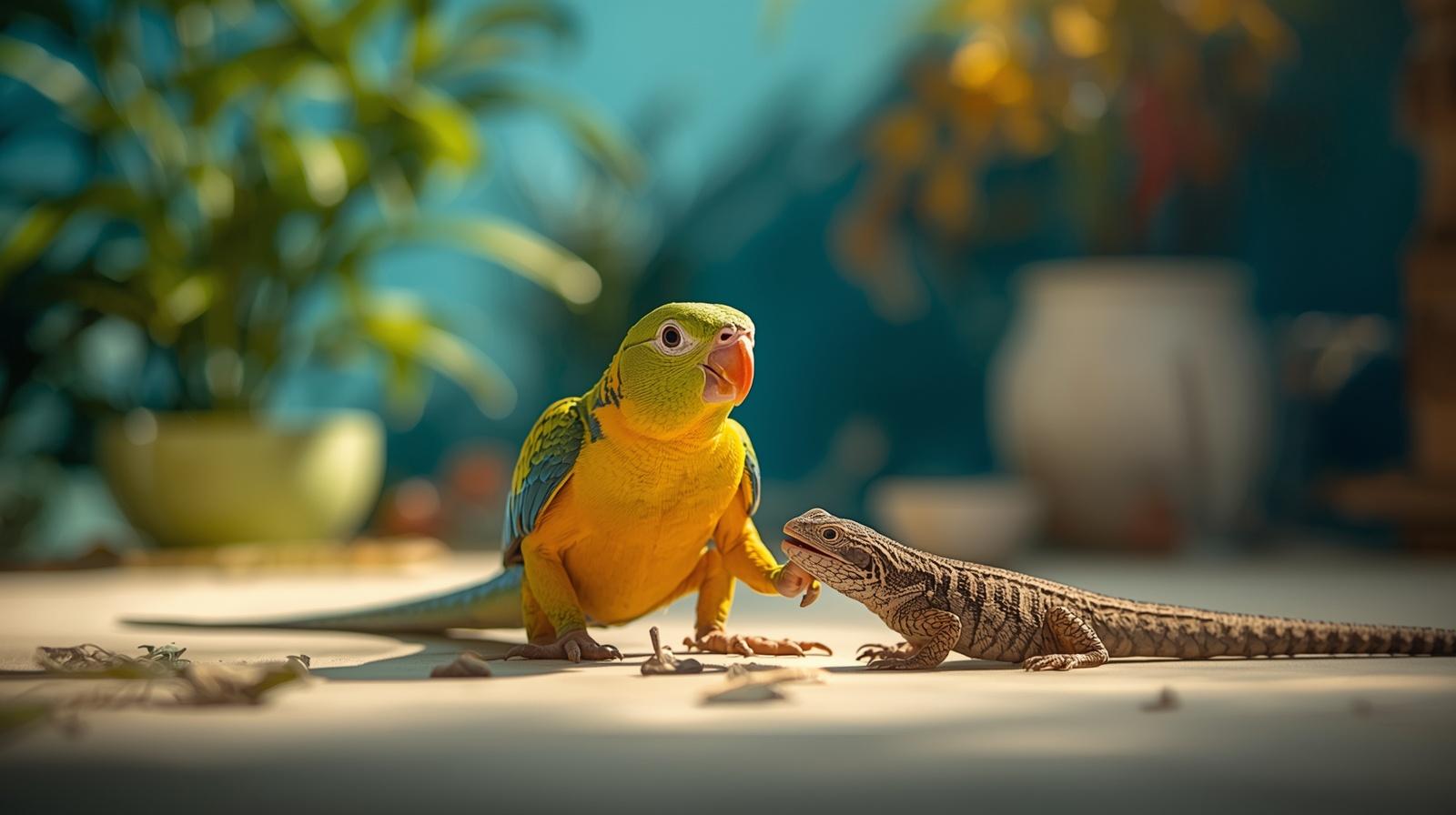
The world of exotic pet ownership in the United States has changed dramatically as we move through 2026. More Americans than ever are sharing their homes with parrots, iguanas, ferrets, sugar gliders, and a stunning variety of other unique animal companions. But with this surge in popularity comes a serious responsibility that many owners overlook: keeping these specialized animals at a healthy weight. Obesity in exotic pets is not just a cosmetic concern — it’s a genuine health crisis that can shorten your pet’s life and dramatically reduce their quality of living. The good news? With the right knowledge and a few practical habits, it’s entirely preventable.
Recognizing the Early Warning Signs of Obesity in Exotic Pets
One of the biggest challenges exotic pet owners face is simply knowing when their animal companion is carrying too much weight. Unlike dogs and cats, exotic species don’t have widely standardized body condition scoring systems, which means owners need to be extra observant and proactive. The most common red flags include noticeable lethargy, a significant drop in activity levels, and visible fat deposits accumulating around the belly, limbs, or neck area depending on the species. If your once-active parrot is spending most of its day perched without moving, or your iguana seems sluggish and uninterested in exploration, these could be early warning signs worth taking seriously.
Beyond physical appearance, behavioral changes can also signal weight problems in exotic animals. Pay close attention to shifts in your pet’s appetite — both eating far too much or suddenly losing interest in food can indicate metabolic issues. Grooming habits often change too; overweight animals may struggle to reach certain parts of their body, leading to unkempt feathers, scales, or fur. Respiratory changes such as labored breathing or unusual wheezing are also concerning indicators, especially in birds and small mammals. If you notice any combination of these signs, scheduling a visit with an exotic animal veterinarian should be your immediate next step. Early detection makes intervention far more effective and far less stressful for both you and your pet.
Establishing a Nutritionally Balanced Diet for Your Exotic Pet
Nutrition is the cornerstone of obesity prevention, and in 2026, exotic pet owners have more resources available to them than ever before. The pet food industry has responded to growing demand by developing highly specialized formulas designed specifically for exotic species, moving far beyond the generic one-size-fits-all products of the past. Whether you own a chinchilla, a ball python, a toucan, or a hedgehog, there are now targeted dietary options crafted to meet the precise nutritional profiles these animals need to thrive. Taking the time to research and invest in species-appropriate food is one of the most impactful decisions you can make as an exotic pet owner.
When shopping for exotic pet food, the ingredient list should be your first stop. Prioritize products that lead with lean, high-quality proteins and healthy fats while avoiding formulas loaded with unnecessary fillers, artificial preservatives, or excessive carbohydrates. Many exotic animals, particularly reptiles and birds, are highly sensitive to sugar and starch, and a diet too rich in these elements can rapidly lead to weight gain and associated health problems like fatty liver disease or diabetes. Look for brands that specialize in exotic nutrition and that have consulted with exotic veterinarians in developing their formulas. A little extra investment upfront in quality food can save you significantly on veterinary bills down the road.
Portion control is just as critical as food quality. Even the most nutritious diet can contribute to obesity if the serving sizes are too large or the feeding schedule is inconsistent. Work directly with your exotic animal vet to calculate the appropriate daily caloric intake for your specific pet, taking into account their species, age, size, current health status, and activity level. In 2026, many pet owners are also leveraging smart automated feeders that dispense precise portions at scheduled times, removing the temptation to overfeed and ensuring your pet’s eating routine stays consistent even on your busiest days.
Exercise, Enrichment, and Keeping Your Exotic Pet Physically Active
Diet alone isn’t enough to keep exotic pets at a healthy weight — physical activity and mental stimulation play an equally vital role. In nature, exotic animals spend significant portions of their day hunting, foraging, climbing, flying, and exploring. When kept in captivity, these natural drives don’t disappear, and if they’re not properly channeled, the result is often a bored, sedentary pet that’s prone to weight gain and behavioral issues. As an owner, it’s your job to recreate as much of that natural activity as possible within a safe and controlled environment.
- Spacious, well-designed enclosures: Ensure your pet has enough room to move freely, explore, and express natural behaviors. Cramped living spaces are one of the leading contributors to physical inactivity in exotic pets. In 2026, many owners are upgrading to custom-built habitats specifically designed to encourage movement.
- Interactive toys and puzzle feeders: These tools keep minds sharp and bodies moving. Puzzle-based food dispensers for reptiles or complex climbing structures for parrots tap into natural foraging instincts and can burn a surprising number of calories throughout the day.
- Scheduled out-of-enclosure time: For many exotic pets, supervised time outside their enclosure in a safe space allows for far more movement than they’d get otherwise. Even 20 to 30 minutes of exploration daily can make a meaningful difference over time.
- Species-appropriate enrichment items: Tunnels for ferrets, branches for reptiles, swings and foraging toys for birds — matching enrichment items to your pet’s natural instincts ensures they’ll actually engage with them rather than ignore them.
- Rotating and refreshing enrichment regularly: Exotic animals can become bored with the same toys and setups quickly. Rotating enrichment items every week or two maintains novelty and keeps your pet curious, active, and engaged.
Working with Exotic Animal Veterinarians for Long-Term Health Management
No obesity prevention strategy is complete without professional veterinary guidance. Exotic animals have highly specific physiological needs, and what works for a domestic cat or dog often doesn’t apply — or can even be harmful — when applied to an iguana or a cockatoo. Finding a veterinarian who specializes in exotic species is a non-negotiable step for any responsible exotic pet owner in 2026. These professionals can provide personalized weight management plans, conduct routine body condition assessments, and identify underlying health conditions that might be contributing to weight gain, such as hypothyroidism in ferrets or metabolic bone disease in reptiles.
Regular wellness check-ups — ideally every six to twelve months depending on the species — allow your vet to track your pet’s weight trends over time and make dietary or lifestyle adjustments before small problems become serious ones. During these visits, don’t hesitate to ask detailed questions about your pet’s nutritional needs, appropriate exercise routines, and any behavioral changes you’ve observed at home. The more information your vet has, the better equipped they are to support your pet’s health. Some exotic animal practices in 2026 are also offering telehealth consultations, making it easier than ever to get professional advice quickly without the stress of transporting a sensitive exotic animal to a clinic.
Building Healthy Habits That Last: Practical Tips for Exotic Pet Owners
Preventing obesity in exotic pets ultimately comes down to building consistent, sustainable habits as an owner. It’s easy to be motivated when you first bring a new exotic animal home, but maintaining that level of care over the months and years requires intentional effort and routine. Start by keeping a simple feeding journal where you track what your pet eats, how much, and when. Over time, this log becomes an invaluable resource for identifying patterns — such as weight creep during certain seasons or after dietary changes — that you and your vet can address proactively.
Community resources are also more accessible than ever in 2026. Online forums, social media groups dedicated to specific exotic species, and local exotic pet clubs connect owners with a wealth of shared knowledge and experience. Learning from others who keep the same species can give you practical insights that go beyond what any general guide can offer. From species-specific diet tips to enrichment ideas that actually work in real-world home settings, community knowledge is a powerful tool. Combine that with professional veterinary care and a genuine commitment to your pet’s daily wellbeing, and you have a formula for keeping your exotic companion healthy, active, and thriving for years to come.
Staying educated about your specific pet’s needs as research evolves is equally important. Exotic animal science is a rapidly advancing field, and nutritional recommendations or enrichment strategies that were considered best practice just a few years ago may have been updated or refined. Subscribe to reputable exotic pet health newsletters, follow credentialed exotic vets on social media, and revisit your pet’s care routine annually to ensure it still reflects current best practices. Your exotic pet depends entirely on you to make informed decisions on their behalf — and that’s a responsibility that’s absolutely worth embracing with enthusiasm. 🐾