Raw Diet for Cats: What Actually Works (and What Doesn’t)
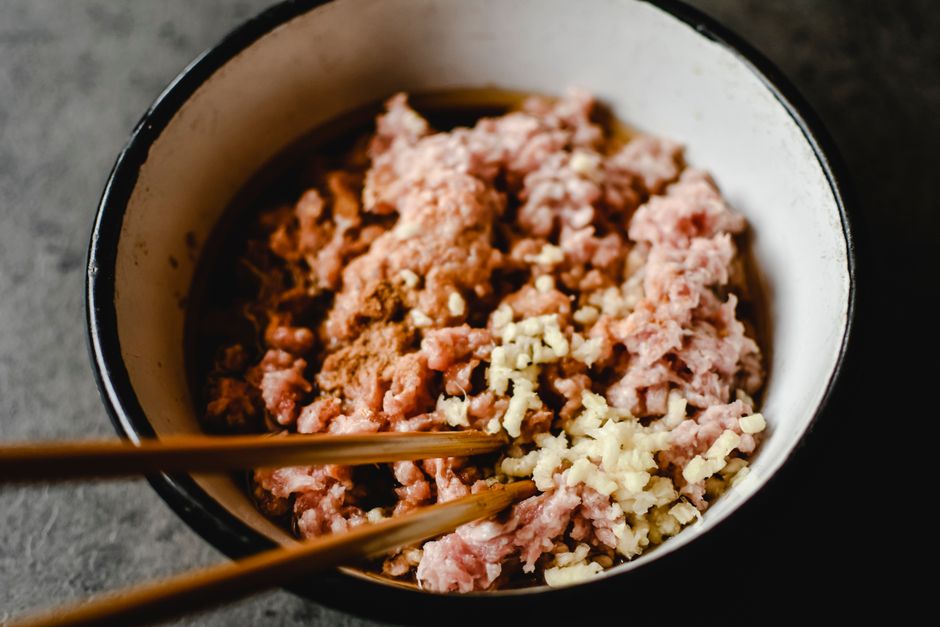
My cat Biscuit dropped four ounces in three weeks on kibble. Not a dramatic weight loss — just enough that I could feel his spine a little more than usual when I picked him up. His coat looked dull, he was vomiting bile about twice a week, and I was spending $80 a month on “premium” dry food that wasn’t doing anything. That’s when I started seriously researching raw feeding, and what I found was messier — in every sense — than the clean before-and-after stories you see on cat forums.
Here’s the thing most raw diet content gets wrong: the debate isn’t really about whether raw food is “natural.” Cats are obligate carnivores — that part is settled. The real question is whether you can execute raw feeding safely, consistently, and without turning your refrigerator into a biohazard. The failure mode isn’t bad intentions. It’s underestimating the logistics.
1. What “Raw Diet” Actually Means for Cats
A raw diet for cats typically means uncooked muscle meat, organs, and bone — either homemade or commercially pre-made. It’s not just “chicken breast in a bowl.” Done correctly, it requires a specific balance of muscle meat, secreting organs (like liver and kidney), and raw meaty bones, plus supplements to fill nutritional gaps. Get that ratio wrong and you’re not feeding a cat — you’re creating a deficiency over time.
There are two main approaches: prey model raw (PMR), which tries to mimic what a cat would eat in the wild (roughly 80% muscle meat, 10% bone, 10% organ), and commercially prepared raw, which comes frozen or freeze-dried and is formulated to be nutritionally complete. Both have tradeoffs. PMR gives you more control but demands more knowledge. Commercial raw is easier but costs significantly more — often $4 to $7 per day for a single adult cat, depending on the brand and your location.
2. The Real Pros — Not the Marketing Version
Raw feeding done right offers several documented benefits: smaller, less odorous stools, improved coat condition, better hydration (raw meat is roughly 70% water, versus 10% in dry kibble), and — for some cats — meaningful improvement in urinary health. Cats evolved to get most of their water from prey, not a bowl, which is why kibble-fed cats are chronically under-hydrated.
- Hydration: The moisture content in raw meat closely mirrors what cats consume in the wild. Many veterinarians who specialize in feline nutrition note that improved hydration alone can reduce the risk of urinary tract issues, which are among the most common and expensive health problems in domestic cats.
- Digestibility: High-quality animal protein is more bioavailable than the plant-based fillers found in many commercial dry foods. Some cat owners report their cats eating less volume but maintaining or gaining healthy weight.
- Dental health: Chewing raw meaty bones provides mechanical abrasion that can reduce tartar buildup — though this benefit disappears entirely if you’re feeding ground raw without bone.
- Coat and skin: Within six to ten weeks of switching, many owners notice a visible difference in coat texture. This is one of the most consistent anecdotal reports across raw feeding communities.
Biscuit’s bile vomiting stopped within about three weeks of switching to a balanced commercial raw diet. His coat — which I’d assumed was just “his coat” — got noticeably softer by week eight. I didn’t expect that second part.
3. The Real Cons — Not the Fear-Mongering Version
The risks are real, and dismissing them because you love your cat is how you end up with a sick cat and a vet bill that eclipses whatever you saved on food.
- Bacterial contamination: Raw meat — chicken especially — can carry Salmonella, Listeria, and Campylobacter. A healthy adult cat’s digestive system handles these better than humans do, but immunocompromised cats (elderly, sick, on steroids) face genuine risk. And those bacteria transfer to your hands, your countertops, your other pets, and your kids.
- Nutritional imbalance in homemade diets: This is the most under-discussed risk. A study published in the Journal of Nutritional Science found that a significant proportion of homemade raw cat diet recipes available online were nutritionally deficient — lacking adequate taurine, iodine, or calcium. Taurine deficiency causes dilated cardiomyopathy. That’s heart failure. It’s not a minor gap.
- Bone hazards: Cooked bones splinter and can perforate the digestive tract. Raw bones are safer — but “safer” isn’t the same as “safe.” Bone size relative to cat size matters. Supervision matters.
- Cost and prep time: Homemade raw done correctly requires sourcing, grinding, portioning, and supplementing. If you have two cats and a full-time job, the Sunday meal prep alone can take 90 minutes. Commercial raw removes the prep but amplifies the cost.
4. A Real Eight-Week Transition — Including the Week That Didn’t Work
I switched Biscuit over eight weeks using the “topper method” — starting with 10% raw mixed into his existing wet food, increasing by roughly 10% every five to seven days. Weeks one through four went smoothly. Week five, he refused the bowl completely for three days. Not pickiness — the ratio shift hit a threshold he didn’t like. I backed down to 40% raw, held there for ten days, then moved forward more slowly.
By week eight he was eating 100% commercial raw (a frozen patty format, thawed overnight in the fridge). Total cost: about $95 a month for one 11-pound cat. That’s more than his kibble, less than I feared, and roughly the same as what I was spending on premium wet food plus the vet visits for his recurring vomiting.
The transition wasn’t linear. He had two days of loose stools around week six — normal detox response, resolved on its own. If that had lasted more than 72 hours I would have called my vet. It didn’t. But I want to be honest that “smooth transition” usually means “smooth except for the parts that weren’t.”
5. What Doesn’t Work: Four Approaches to Avoid
I’ve watched enough raw feeding threads, talked to enough cat owners, and made enough of my own mistakes to have opinions here. These four approaches fail consistently.
- Going 100% raw overnight. Some cats handle a cold turkey switch fine. Most don’t. Digestive upset, food refusal, and owner panic are the predictable results. The gradual transition exists for a reason — use it.
- Using random online recipes without verifying nutritional completeness. Just because a recipe is posted by someone with 40,000 Instagram followers and a photogenic cat does not mean it meets AAFCO nutritional guidelines. Cross-reference any homemade recipe against established feline nutritional requirements, or use a recipe developed and published by a board-certified veterinary nutritionist.
- Treating freeze-dried as equivalent to frozen raw. Freeze-dried raw is convenient and has a long shelf life, but the rehydration step is non-negotiable. Feeding it dry contributes to the same dehydration problem you’re trying to solve by leaving kibble behind. Always rehydrate with warm water before serving.
- Ignoring your specific cat’s health status. Raw feeding is not appropriate for every cat. Cats with chronic kidney disease, pancreatitis, or compromised immune systems need individualized guidance from a vet — ideally one familiar with feline nutrition. A raw diet that works beautifully for a healthy three-year-old cat can be genuinely dangerous for a cat with existing health conditions.
6. The Safety Protocol That Actually Matters
Handling raw cat food safely is non-negotiable, especially if you have young children, elderly family members, or anyone immunocompromised in your household. The protocol is not complicated, but it has to be consistent.
- Thaw frozen raw in the refrigerator — never on the counter at room temperature.
- Wash hands with soap and water before and after handling raw meat. Not hand sanitizer alone — soap and water.
- Use a dedicated cutting board and bowl for raw cat food. Don’t share with human food prep surfaces.
- Discard any uneaten raw food after 30 to 40 minutes. Raw sitting out at room temperature is a bacterial growth environment.
- Sanitize the feeding bowl daily with hot water and dish soap — or run it through the dishwasher.
The CDC has documented cases of Salmonella transmission from raw pet food to humans. That’s not a hypothetical. It’s manageable with proper hygiene, but it’s not optional.
7. Commercial Raw vs. Homemade: Which One Actually Makes Sense
For most people — especially first-timers — commercially prepared frozen raw is the more practical starting point. It’s formulated to be nutritionally complete, the guesswork around organ ratios and supplementation is removed, and the safety testing from reputable manufacturers is more rigorous than what a home kitchen can replicate.
Homemade raw makes sense if you have multiple cats (the per-cat cost drops significantly when you’re buying in bulk and grinding yourself), if your cat has specific dietary needs that commercial formulas don’t accommodate, or if you’re genuinely willing to invest the time to learn feline nutritional requirements properly — not just follow a recipe you found on a forum.
If you go homemade, use a recipe that has been reviewed or developed by a veterinary nutritionist. Full stop. Taurine and calcium deficiencies don’t show symptoms for months. By the time you see clinical signs, damage has already been done.
8. What Your Vet Thinks — and Why It’s More Complicated Than “They’re Against It”
A lot of raw feeding communities frame veterinary skepticism as ignorance or commercial bias. That framing is too simple. Yes, most conventional veterinary training historically spent limited time on nutrition beyond standard commercial diet guidelines. And yes, some vets have received industry-sponsored education that shapes their recommendations.
But the concerns about bacterial contamination, nutritional imbalance in homemade diets, and bone hazards are evidence-based. Organizations like the American Animal Hospital Association have published position statements recommending against raw protein diets due to documented public health and patient safety risks. That’s a real position from real clinicians, not just marketing.
The honest answer is: find a vet who will engage with the specifics of your cat’s health and your chosen diet rather than dismiss the conversation. Integrative and feline-specialty veterinarians are often more willing to work with raw feeding owners than general practitioners. Ask before you assume the conversation is closed.
9. The Cats Who Thrive and the Cats Who Don’t
Raw feeding tends to produce the most visible results in cats who were previously eating low-quality dry food with high carbohydrate content — cats with dull coats, chronic digestive issues, or recurring urinary problems. The contrast is stark because the baseline was poor.
Cats who are already thriving on high-quality wet food sometimes show modest improvement on raw and sometimes show none. That’s okay. The goal is your specific cat’s health, not ideological purity about food format.
Senior cats, cats with kidney disease, cats with hyperthyroidism, and cats on immunosuppressive medications are not ideal raw feeding candidates without close veterinary supervision. The high phosphorus content in many raw diets can accelerate kidney disease progression. This isn’t a minor caveat — it’s a reason to have a real conversation with your vet before switching a cat over 10 years old.
Three Small Things You Can Do This Week
You don’t need to overhaul everything at once. Start here:
- Add a raw topper tonight. Buy a small container of commercially prepared frozen raw, thaw one tablespoon, and mix it into whatever your cat is already eating. No commitment, no full transition — just see how your cat responds to the smell and taste.
- Check the ingredient list on your current cat food. Look at the first five ingredients. If you see corn, wheat, soy, or “by-product meal” in the top three, that’s useful context for why a higher-moisture, higher-protein diet might make a difference for your cat specifically.
- Book a five-minute conversation with your vet. Not a full appointment — just mention at your cat’s next visit that you’re considering raw feeding and ask if there are any health factors specific to your cat that would make it a bad idea. That one question can save you from a real mistake.


Publicar comentário