What Exotic Fish Tank Hobbyists Are Actually Setting Up in 2026
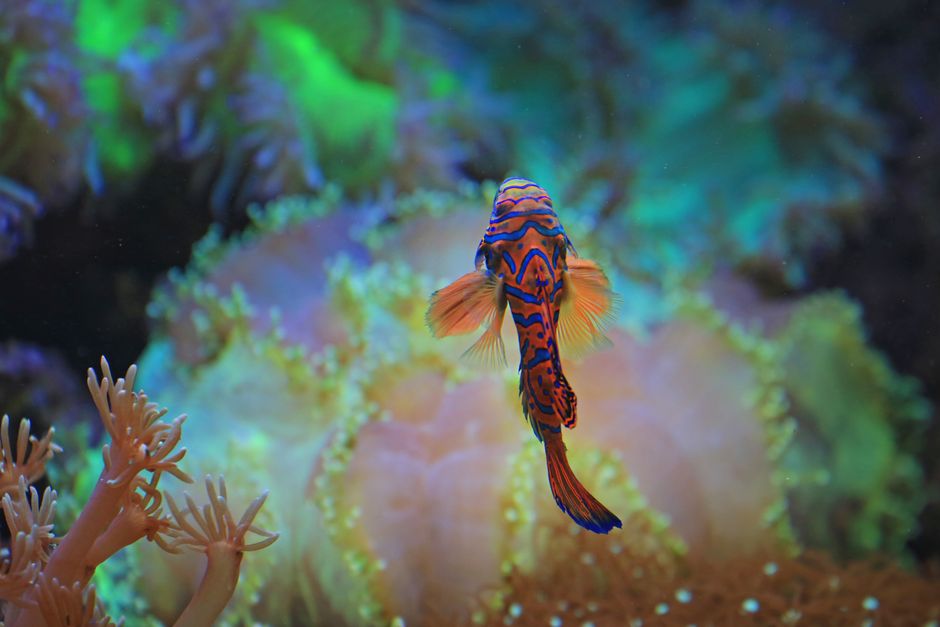
Walk into any serious fish store right now — not the big-box pet chain, the actual specialty shop — and you’ll notice something different in the display tanks. The classic community setup with a school of neons and a plastic castle is still there, pushed to the back corner. Up front, under high-output LED rigs that hum just slightly, there are tanks that look like someone dropped a slice of Indonesian reef or a Peruvian blackwater stream into a glass box. Three customers are arguing quietly about whether a nano biotope can sustain a pair of apistogramma cichlids long-term. It’s 11 a.m. on a Tuesday.
Here’s the thing most trend articles won’t tell you: the exotic fish hobby isn’t growing because people suddenly want harder challenges. It’s growing because the barrier to entry dropped — fast. Equipment that cost $400 four years ago now costs $130. Water chemistry testing that used to require a degree of patience now takes a Bluetooth probe and a phone app. The result is a flood of intermediate hobbyists who are ready for something more demanding, and they’re setting up tanks in 2026 that would have been considered advanced-level builds just a few years back.
1. Biotope Aquascaping Has Replaced “Just Pick What Looks Pretty”
The biotope trend — building a tank that replicates a specific geographic environment, not just a mix of compatible species — is now the dominant aesthetic among serious hobbyists in the US. Instead of mixing South American and Southeast Asian fish because they tolerate similar parameters, people are going all-in on a single river system, matching substrate, leaf litter, tannin levels, and even the species of driftwood to what actually exists in that location.
This matters because fish behave differently in a correctly matched environment. A wild-type betta splendens in a tank with blackwater conditions and surface cover will flare, build bubble nests, and actively hunt. The same fish under generic community tank conditions just sits. Hobbyists who’ve made the switch describe it as the difference between watching fish and actually understanding them.
Popular biotope builds in 2026 include:
- Amazon blackwater streams — tannin-rich water from Indian almond leaves and catappa bark, pH around 5.5–6.2, dim lighting, sandy substrate, wild-type tetras and dwarf cichlids
- Southeast Asian peat swamps — dark, acidic, very soft water, chocolate gouramis, small rasboras, dense floating plants
- West African riverine — harder water, more flow, killifish and jewel cichlids, red laterite substrate
- Appalachian cold-water streams — yes, native species tanks are having a real moment, with darters, shiners, and native dace kept in cooled setups
That last one is worth paying attention to. Native fish tanks are a genuinely niche corner of the hobby that’s picking up traction, particularly among hobbyists who are also into conservation. Some states have specific regulations about keeping native species, so check your local fish and wildlife rules before going that route — but the builds themselves are stunning.
2. Nano Tanks Under 10 Gallons Are Getting Technically Ambitious
The nano movement isn’t new. What’s new is that a 5-gallon tank in 2026 can sustain water quality that rivals a 55-gallon setup from 2019, thanks to a new generation of small-footprint equipment. Sponge filters with USB-powered air pumps that barely audible. Inline heaters the size of a thick marker. LED fixtures with full-spectrum output and programmable sunrise/sunset cycles — for tanks that sit on a desk.
Industry tracking from aquarium retail sectors shows nano tanks (under 10 gallons) are one of the fastest-growing segments in the freshwater category, driven heavily by apartment dwellers and younger hobbyists who don’t have the floor space for a 75-gallon centerpiece build.
What people are putting in these small tanks has also shifted. The go-to used to be a betta and some snails. Now:
- Pea puffer species — aggressive, intelligent, fascinating to watch, perfectly sized for nano setups
- Exclamation point rasboras (Boraras urophthalmoides) — tiny, schooling, and surprisingly hardy
- Shell-dwelling cichlids — Neolamprologus multifasciatus colonies in a 10-gallon tank are one of the most entertaining things in the hobby
- Freshwater pipefish — still rare, genuinely difficult, but showing up in builds posted by hobbyists who want a challenge
3. Planted Tanks Are Moving Toward Low-Tech, High-Intention
For a while, the planted tank community was in an arms race — CO2 injection, high-powered lighting, fertilizer dosing schedules that required a spreadsheet. That’s still happening at the competitive level, but among everyday hobbyists, the shift is toward what’s sometimes called the “low-tech walstad method” or variations of it: nutrient-rich substrate, low light, no CO2, slow-growing plants that fit the environment.
The appeal is obvious. A high-tech planted tank is beautiful but fragile — one missed water change, one CO2 miscalculation, and you’re dealing with algae that feels personal. A low-tech planted tank is forgiving. It rewards patience over precision.
Plants that are actually selling well right now include bucephalandra (slow-growing, from Borneo, extremely varied), anubias nana petite, and cryptocoryne species that match specific biotope builds. Floating plants — salvinia, frogbit, dwarf water lettuce — are everywhere because they’re effective at nutrient export and fish genuinely use them for cover.
4. A Real Before-and-After: The 40-Gallon Breeder Rebuild
A hobbyist I know — someone who’s been in the hobby for about nine years — tore down a generic community tank in February 2026 and rebuilt it as an Orinoco basin biotope. The original tank had tiger barbs, a rainbow shark, some corydoras, and an assortment of plastic plants. It looked fine. Nobody was particularly interested in it, including him.
The rebuild took six weeks from teardown to stable parameters. He sourced Orinoco-appropriate substrate (fine sand mixed with red clay), added driftwood he soaked for three weeks to leach tannins, planted Echinodorus species and some Cabomba, and stocked it with wild-type altum angelfish, a small group of rummy-nose tetras, and a pair of geophagus cichlids.
The first two weeks were rough. One angelfish developed hole-in-the-head from stress during the transition. The pH swings were harder to stabilize than expected. He almost added a dither fish species that doesn’t actually occur in that region — caught himself, did the research, didn’t do it.
By week six, the geophagus were sifting substrate constantly, the angels were vertical and confident, and the tetras schooled in a tight group instead of scattered randomly across the tank. “It feels like I’m watching something real,” he told me. That’s the feedback you hear over and over from hobbyists who make this shift.
5. What Doesn’t Work — Honest Takes on Common Approaches
Some approaches get circulated endlessly in forums and YouTube comments. Most of them are wrong, or at least incomplete.
“Just match pH and temperature and any fish will do fine together.” This ignores hardness, dissolved oxygen, flow rate, and behavioral compatibility. Two species can tolerate identical parameters and still stress each other to death. Doing the full parameter profile of a fish’s native habitat takes twenty minutes and saves you $40 in livestock losses.
“You need a 20-gallon minimum before adding fish.” This rule has been repeated so often it’s treated as physics. It isn’t. Tank size requirements depend entirely on the species. A 5-gallon can be the right size for a pea puffer colony. A 20-gallon is genuinely too small for a single fancy goldfish. The rule was a shortcut for beginners that turned into a dogma.
“Algae means your tank is failing.” Some algae — green spot algae on the glass, a thin film on older leaves — is normal and indicates a tank that’s working. The obsession with algae-free tanks leads hobbyists to add UV sterilizers, algaecides, and algae-eating fish that don’t actually eat the algae they have. Identify the type of algae first, then address the cause.
“Buying fish from a big-box retailer is fine as long as they look healthy.” Chain pet store fish are often kept in overcrowded, mixed-species holding tanks with suboptimal water quality. That doesn’t mean every fish is sick, but it does mean quarantine isn’t optional — it’s mandatory. The hobby’s biggest preventable losses come from skipping that step.
6. The Tech Layer That’s Actually Changing Things in 2026
Aquarium controllers have been around for a while, but the price point finally hit mainstream hobbyist territory. Units that monitor pH, temperature, dissolved oxygen, and conductivity — and adjust lighting and flow automatically — are selling at price points that make them accessible without being a luxury purchase.
The bigger shift is in livestock sourcing. Hobbyist-to-hobbyist trading through social platforms and local aquarium clubs has become a legitimate primary source for unusual species. You can now find wild-caught or F1 specimens of species that never appear in retail stores, sourced from breeders in Florida, Texas, and the Pacific Northwest who are genuinely specializing. This network has made the exotic end of the hobby more accessible than it’s ever been.
One practical note: shipping live fish in June and July across the US is risky. Experienced sellers know this. If someone offers you an unusual fish with guaranteed live arrival during a heat wave and refuses to discuss the risk, that’s a red flag.
Start Here This Week
If you’re sitting on a tank that feels stale, or you’re starting from scratch and want to skip the generic phase entirely, here are three small moves that will change your direction fast:
- Pick one geographic region — not a list of compatible fish, a specific place. Amazon basin, Lake Tanganyika, a Thai rice paddy. Spend thirty minutes reading about what that environment actually looks like. Everything else follows from that single decision.
- Pull your water report — your municipal water utility publishes annual water quality reports online. Knowing your tap water’s hardness and pH before you plan a build saves weeks of frustration. Takes three minutes.
- Find your local aquarium club — most mid-size US cities have one. They hold auctions, swap meets, and tank tours. The fish available at a club auction are almost always healthier, better-documented, and cheaper than retail. One visit will change how you think about sourcing livestock.
The best tank you’ll ever set up isn’t the most expensive one. It’s the one where you actually knew what you were doing before the first fish went in.

Publicar comentário