Sugar Gliders Care Basics: What First-Time Owners Actually Need to Know
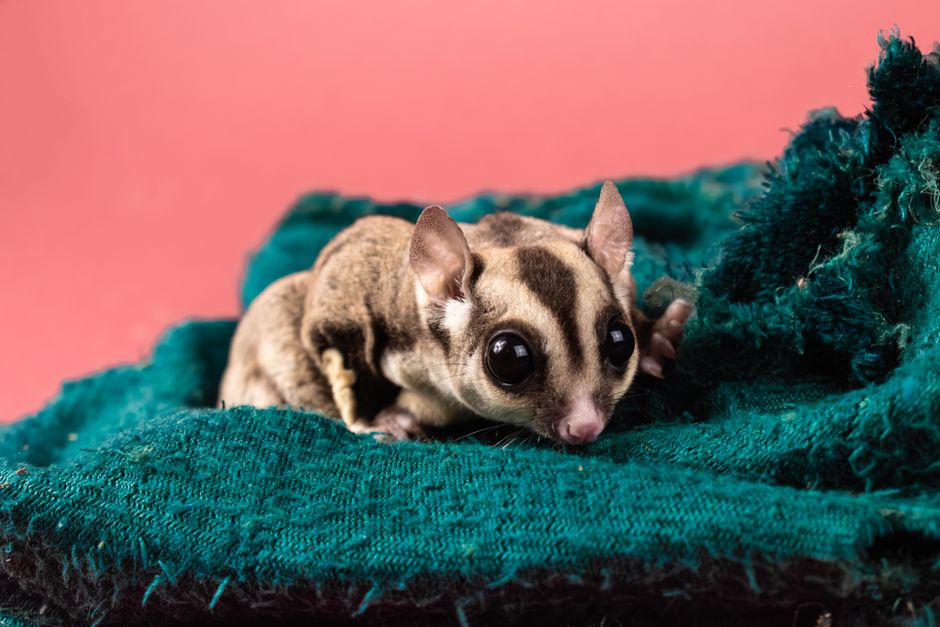
It’s 11:23 p.m. and you’re standing in your kitchen holding a tiny marsupial that’s staring at you like you personally offended its entire bloodline. You’ve had your sugar glider for exactly six days. You’ve read three forum posts, watched a dozen YouTube videos, and you still have no idea why it’s been making that sharp, grating noise at you for the last twenty minutes. That sound, by the way, is called crabbing — and it means your glider is scared, not sick, not broken, not rejecting you forever. It just doesn’t know you yet.
Here’s the thing nobody tells you before you bring one home: the biggest mistake first-time sugar glider owners make isn’t nutrition or cage size or sleep schedules. It’s expecting the bonding process to look like a dog warming up to you on day two. Sugar gliders are colony animals with a deeply ingrained need to trust before they engage. You’re not their owner yet. You’re a large, unpredictable predator-shaped creature who smells nothing like their colony. The entire first month isn’t about care routines — it’s about becoming familiar enough to be safe.
That reframe changes everything about how you approach the basics.
1. Their Sleep Schedule Will Wreck Yours If You’re Not Ready
Sugar gliders are nocturnal. They sleep through most of the day and become active somewhere between dusk and midnight, with peak energy often hitting around 10 p.m. to 2 a.m. If you set up their cage in your bedroom expecting quiet nights, you will be disappointed. Wheels spin. Pouches rustle. Gliders bark.
The practical fix is simple: keep their cage in a room where nighttime noise won’t pull you out of deep sleep. A living room, a spare bedroom, or a dedicated small-animal room works well. Make sure the space stays between 65°F and 80°F — sugar gliders are sensitive to cold, and anything below 60°F for extended periods can trigger a torpor-like state that looks alarming if you’ve never seen it before. A small thermometer on the cage is a two-dollar investment that saves a lot of panic.
Don’t try to flip their schedule to match yours. Some owners attempt this and it usually ends in a stressed, lethargic animal. Work with their biology, not against it. Your bonding time happens in the evening. That’s just the deal.
2. The Cage Setup Is More Specific Than Most Pet Stores Will Tell You
Sugar gliders need vertical space more than floor space — they glide and climb, not pace. A cage that’s at least 24 inches wide, 24 inches deep, and 36 inches tall is a reasonable minimum for one or two gliders. Bigger is always better. Bar spacing matters too: no wider than half an inch, or a glider can get its head stuck, which is as bad as it sounds.
What often gets skipped in beginner guides is the importance of enrichment inside the cage. Branches (real or artificial), rope toys, foraging pouches, and a wheel rated for sugar gliders — specifically one with a solid running surface, not the spoke-style wheels that can catch tiny feet and cause injury — all make a difference in how mentally stimulated your animal stays during its active hours. A bored sugar glider becomes a loud, sometimes destructive sugar glider.
Sleeping pouches are non-negotiable. In the wild, sugar gliders sleep in tree hollows in groups. A fleece pouch hung inside the cage replicates that den feeling. Most gliders will spend the entire day curled inside one. Keep two or three pouches so you can rotate and wash them — fleece holds odor, and a clean sleeping environment matters more than most first-timers expect.
3. The Diet Question Is Where Most People Overcomplicate Things
Sugar gliders are omnivores with specific calcium-to-phosphorus ratio requirements. In the wild, they eat tree sap, nectar, insects, and small amounts of fruit. In captivity, replicating that balance is the challenge — and it’s where a lot of owners either overfeed fruit (too much sugar, despite the name) or rely entirely on commercial pellets that don’t fully meet their needs.
The most widely respected feeding approach in the exotic pet community is a diet called the BML (Bourbon’s Modified Leadbeater’s) blend, which combines a specific ratio of honey, hard-boiled eggs, fruit juice, and supplements into a base mix that gets served with protein and fresh fruits or vegetables. It’s not complicated once you make it a few times, and the recipe is publicly available through sugar glider keeper communities. Insects — mealworms and crickets especially — are a valuable protein source that many owners skip because they’re squeamish about it. Your glider doesn’t share that squeamishness.
What matters most: calcium-to-phosphorus ratio should be close to 2:1. Too much phosphorus relative to calcium over time leads to metabolic bone disease, which is one of the most common — and entirely preventable — health problems in captive sugar gliders. Industry and veterinary groups that specialize in exotic pets have flagged diet-related illness as the leading cause of preventable mortality in pet sugar gliders. That’s not a small detail.
4. Bonding Isn’t a Phase — It’s the Entire First Few Months
Most first-time owners underestimate how long real bonding takes. Not “tolerates your presence” bonding — actual “seeks you out, glides to you, sleeps on you voluntarily” bonding. For some gliders, that’s six weeks. For others, it’s closer to four or five months, especially if the animal came from a situation with limited human handling before you got it.
The bonding pouch method is the most consistently effective approach I’ve seen work: a small, breathable pouch worn against your body — in a shirt pocket or on a lanyard under your shirt — while you go about your day. Your glider sleeps inside it, absorbs your scent, gets used to your heartbeat and movement. You don’t try to interact. You just carry them. It sounds passive, but it’s doing real work on the trust level.
Gloves are a trap. I know why people reach for them — crabbing sounds threatening and a scared glider can bite — but gloves block your scent entirely and make you seem like a different entity every time. Go slow, go bare-handed, accept that the first few times you’re going to get a small nip. It rarely breaks skin. It does pass.
5. Finding a Vet Before You Need One Is Not Optional
This is the one that bites people hardest. Sugar gliders require an exotic animal veterinarian — a standard small-animal vet often has no training or equipment for marsupials, and in a genuine emergency that gap is dangerous. Finding an exotic vet in your area before anything goes wrong gives you a baseline exam, a professional who knows your animal’s normal, and a number to call at midnight when you need it.
Call ahead and ask specifically whether the practice sees sugar gliders. Some exotic vets are primarily reptile-focused and have limited marsupial experience. It’s a reasonable question and any good clinic will answer it directly. In some parts of the country — rural stretches of the Midwest, certain areas of the South — exotic vet access is genuinely limited, which is a real consideration before you commit to this animal.
A healthy glider should have clear eyes, clean ears, no discharge, normal energy during active hours, and consistent droppings. Weight loss is often the first sign something is off, which is why a small digital kitchen scale and a weekly weigh-in — most gliders land between 3.5 and 5.5 ounces depending on sex and build — is worth the habit.
6. A Real Week With a New Sugar Glider (The Unpolished Version)
Day one: The glider stayed in the pouch inside the cage and didn’t come out when I opened it. I didn’t push it.
Days two and three: Brief attempts at handling ended with crabbing and a retreat into the sleeping pouch. I started wearing the bonding pouch during evening TV time. The glider slept through it.
Day five: First voluntary nose-touch to my hand. I made a bigger deal of it than was probably appropriate.
Day eight: I forgot to secure the cage latch properly and spent 45 minutes finding a sugar glider behind the refrigerator. That was entirely my fault and it was stressful for both of us. Set a physical routine for checking the latch. Every time.
Week three: The crabbing dropped to almost nothing. The glider started gliding to me from the cage door when I opened it in the evening. That moment — after weeks of patience and a few setbacks — is genuinely one of the more rewarding things I’ve experienced with any pet. But it required not rushing the weeks before it.
7. What Doesn’t Work (And Why People Keep Trying It Anyway)
Feeding mostly fruit because they’re “sugar gliders.” The name is misleading. High-sugar diets cause obesity and can contribute to dental disease. Fruit is a supplement, not a diet base. Protein and calcium-balanced staple food come first.
Housing a single glider long-term. Sugar gliders are colony animals. A lone glider without either a companion glider or extremely intensive daily human interaction will often self-mutilate out of stress — a behavior that’s documented and distressing to witness. Two gliders is the baseline, not a luxury. If you can only commit to one, the time investment required to compensate is much higher than most people anticipate.
Handling during the day to “get more time in.” Waking a glider during its sleep hours repeatedly creates chronic stress. It doesn’t accelerate bonding. It undermines it. Evening handling only, especially in the first few months.
Expecting a sugar glider to behave like a hamster or a rat. They’re marsupials. Their social structure, bonding timeline, dietary needs, and enrichment requirements are nothing like common small pets. The people who get frustrated fast are almost always people who applied small-rodent expectations to an animal with a completely different behavioral profile.
Your First Moves This Week
You don’t need to overhaul everything at once. Three small moves will put you in a better position than most first-timers:
- Find your exotic vet today. Not when something goes wrong. Search for exotic animal veterinarians in your metro area, call two or three, and ask directly whether they see sugar gliders. Save the number in your phone under a name you’ll recognize at midnight.
- Set up a bonding pouch and wear it for two hours tonight. Just carry the glider. Don’t try to interact. Let the scent do the work that force won’t.
- Check your cage bar spacing with an actual ruler. If you’re over half an inch, address it before anything else. It takes five minutes and it’s the kind of thing that matters before it matters.
The glider on your kitchen counter at 11 p.m., making that sharp sound, staring at you — it’s not broken. It’s just deciding whether you’re safe. Your job for the next few weeks is to prove that you are.


Publicar comentário