Why Axolotls Are Becoming the Pet Choice for Busy Owners
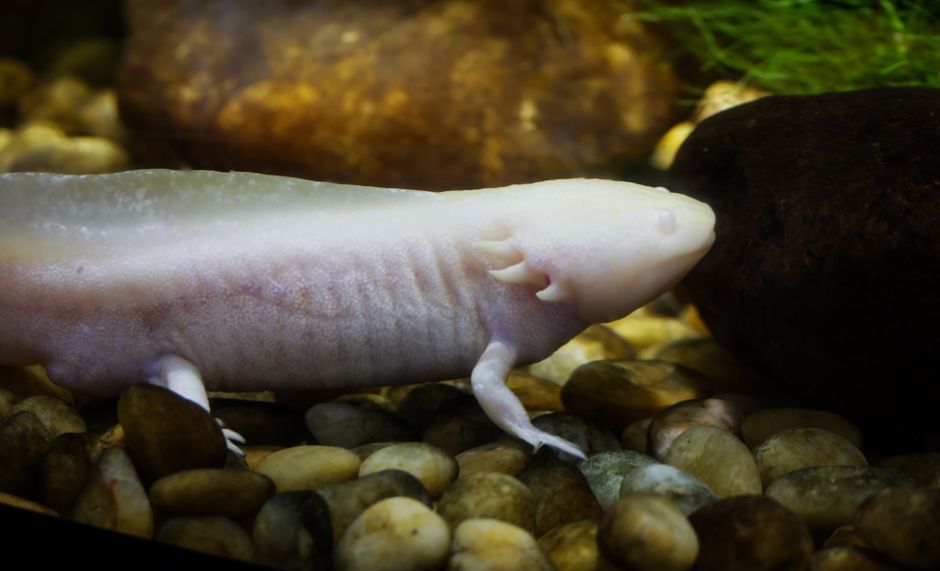
It’s 11:15 on a Tuesday night, and your dog is whining at the door, your cat just knocked a full glass of water off the nightstand, and you have a 7 a.m. meeting you haven’t prepped for. Meanwhile, your friend’s axolotl — a pale, feathery-gilled creature sitting calmly in a 20-gallon tank — is doing exactly nothing. No bark. No mess. No drama. Just slow, deliberate paddling through the water while the rest of the house burns down.
That’s the scene that converted me. Not a viral TikTok, not a pet store pitch — just watching a living thing exist without needing anything from me at that exact moment. I started researching axolotls that same night, and three weeks later I had a tank cycling on my bookshelf.
Here’s the thing most people get wrong about the axolotl trend: they assume it’s about aesthetics. Sure, these animals look like something out of a Studio Ghibli film — permanently smiling, frill-necked, almost alien. But that’s not what’s actually driving their surge in popularity. The real reason busy Americans are choosing axolotls over dogs, cats, and even fish is much more practical: they fit the life we actually have, not the life we wish we had.
1. The Axolotl Boom Is Bigger Than You Think
Axolotls have quietly moved from specialty reptile expos to mainstream pet stores in cities like Chicago, Austin, and Portland over the past few years. Industry tracking from pet trade publications suggests axolotl demand in the U.S. has grown significantly each year since 2022, with some specialty breeders reporting waitlists stretching two to three months for specific color morphs like the golden albino or melanoid black.
Searches for “axolotl for sale near me” have climbed steadily, and aquarium supply retailers have started stocking axolotl-specific care kits — a sign that the market is responding to real consumer demand, not just a passing trend. One independent aquatic pet shop owner in Denver told a regional hobbyist forum that axolotls now outsell all other aquatic species combined on a per-tank basis.
The hobbyist community on Reddit’s r/axolotls has grown to over 350,000 members as of mid-2026. That’s not a niche. That’s a movement.
2. Why Busy People Specifically Are Making the Switch
The average American adult works just under 47 hours a week, according to Gallup polling data — and that doesn’t count commute time, side gigs, or the mental overhead of managing a household. When you’re operating on that kind of schedule, traditional pet ownership stops being a comfort and starts feeling like one more obligation.
Dogs need walks, often twice a day. Cats — despite their reputation — require more interaction than most people admit. Even guinea pigs need daily handling to stay socialized. Axolotls don’t. They eat three to four times a week as adults, they’re entirely aquatic so there’s no outdoor time to manage, and they don’t experience separation anxiety when you’re gone for a long weekend. That’s not me being cold about animals — that’s the honest calculus of someone who loves animals but also has a life.
I’ve had mine — a leucistic female I named Biscuit — for about fourteen months now. On my worst weeks, when deadlines pile up and I’m ordering DoorDash every night, Biscuit gets fed, her water parameters get checked with a $12 API test kit, and that’s it. She’s fine. More than fine, actually.
3. The Real Maintenance Reality (Not the Sugarcoated Version)
Axolotls are low-maintenance relative to most pets, but they’re not zero-maintenance — and anyone who tells you otherwise is setting you up for a dead axolotl and a lot of guilt.
Here’s what the weekly routine actually looks like:
- Water changes: 20–30% of the tank volume, once a week. Takes about 15 minutes with a basic siphon gravel vacuum and a bucket.
- Feeding: Three to four times a week for adults. Nightcrawlers from a bait shop, frozen bloodworms, or sinking pellets. Each feeding takes under two minutes.
- Water parameter testing: Once or twice a week during the first few months, then you’ll develop a feel for your tank’s cycle. Ammonia and nitrite should read zero; nitrate should stay below 20 ppm.
- Temperature monitoring: Axolotls need cool water — ideally between 60°F and 68°F. In most U.S. homes, this means either a basement tank or a small aquarium chiller in summer. The chiller is a real cost: budget $80–$150 for a decent one.
The temperature requirement is the part that trips most people up. I learned this the hard way in August — my apartment hit 78°F on a Friday afternoon while I was at work, and I came home to a stressed, surface-gulping axolotl. I added frozen water bottles to the tank every few hours over the weekend until I could order a chiller. It worked, but it was a wake-up call. This animal has a real biological limit, and you have to respect it.
4. What Doesn’t Work — Three Common Approaches to Axolotl Ownership That Fail
I’ve seen enough forum posts and local fish store conversations to know which mistakes keep repeating. Here are four approaches that genuinely don’t work, no matter how many YouTube videos make them look fine:
Keeping them in a 10-gallon tank long-term. I know the startup kits at big box stores sometimes suggest this. It’s wrong. A single adult axolotl needs at least 20 gallons, and 40 is better. In a 10-gallon, waste builds up fast, ammonia spikes, and the animal gets stressed. You’ll spend more time doing emergency water changes than if you’d just gotten the bigger tank upfront.
Housing them with fish. Goldfish and axolotls are often suggested as tank mates because goldfish are cold-water fish. In practice, goldfish will nip axolotl gills — those beautiful feathery fringes — and cause permanent damage. And the axolotl will eventually eat small fish. Keep them separate. It’s not worth the experiment.
Using gravel substrate. Axolotls are clumsy eaters. They vacuum food off the bottom with a suction motion and will accidentally ingest gravel, which can cause gut impaction. Use fine sand, bare bottom, or large smooth river rocks they can’t swallow. Gravel looks nice. Gravel also sends axolotls to the vet.
Assuming they’re “set it and forget it.” The first month especially — when you’re cycling a new tank — requires attention almost daily. The nitrogen cycle has to establish before you add your axolotl, or you’re dumping a sensitive animal into toxic water. Cycling takes four to six weeks. Skip this step and you’ll lose the animal. Full stop.
5. The Setup Cost, Broken Down Honestly
People underestimate the startup investment and overestimate the ongoing cost. Here’s a realistic breakdown for a solid beginner setup in 2026:
- 40-gallon breeder tank: $80–$120 (check Petco’s dollar-per-gallon sales when they run them)
- Canister or sponge filter: $30–$70
- Aquarium chiller (for warmer climates or summer): $80–$150
- Thermometer, API master test kit, water conditioner: ~$40 combined
- Fine sand substrate: $15–$25
- Hides and decor: $20–$40
- The axolotl itself: $30–$80 from a reputable breeder, more for rare morphs
Total startup: roughly $275–$505 depending on your choices and whether you catch any sales. After that, monthly costs are minimal — maybe $10–$20 in food and water conditioner. That’s genuinely cheaper than most pets over time, including the vet bills that come with furry companions.
6. A Real Week With an Axolotl — The Honest Before-and-After
Before I got Biscuit, I had tried keeping a betta fish. Beautiful fish, genuinely interesting — but I felt guilty every time I traveled for work. I had a neighbor come over to feed him, which felt like an imposition. When he died after about eight months (likely old age, he was a rescue), I told myself I’d wait until my schedule calmed down before getting another pet.
My schedule never calmed down. So I adjusted the animal, not my life.
A typical week with Biscuit now looks like this: Monday, quick feeding before I make coffee — thirty seconds. Wednesday, another feeding plus a visual health check (are her gills full and fluffy? Is she swimming normally?). Friday, water change — I put on a podcast, do the siphon, refill with conditioned water, done in fifteen minutes. Saturday, feeding again. That’s the whole week. Maybe forty minutes total.
The week it didn’t work: I had a work trip that ran five days instead of three. I set up an automatic feeder — a simple clip-on model — but came home to find it had jammed and she’d gone four days without food. She was visibly thinner and lethargic. It took about a week of regular feeding to get her back to normal. Axolotls can fast, but not indefinitely. If you travel frequently, you need a reliable backup system, not just an assumption that everything will hold.
7. Why Axolotls Are Also Good for Mental Health — Without Overstating It
I’m not going to claim axolotls are therapy animals. They don’t cuddle. They won’t greet you at the door. But there’s something about watching a slow-moving aquatic creature go about its day that genuinely quiets the noise in your head.
Watching an aquarium has been associated with reduced heart rate and lowered stress markers in research settings — this isn’t new science. What’s different with axolotls is that they’re interactive in a low-key way. Biscuit responds to my presence near the tank. She comes to the front glass when I approach at feeding time. That’s enough. Some nights, that small, dumb, reliable acknowledgment from a creature that has no idea what a deadline is — is exactly what I needed.
8. Where to Actually Get One (Without Getting Burned)
Avoid buying axolotls from big box pet stores when possible. The animals there often come from mass breeding operations, may be mislabeled in terms of age, and are sometimes already stressed from shipping and overcrowded conditions.
Better options:
- Reputable online breeders who ship with heat packs and offer live arrival guarantees. The axolotl hobbyist community on Reddit maintains lists of vetted sellers — check the r/axolotls wiki before buying.
- Local aquarium societies and hobbyist groups. Many cities have aquarium clubs that host swap meets or sales. You can often pick up a healthy, captive-bred axolotl from someone who actually cares about the animal’s welfare.
- Aquatic specialty stores (not general pet superstores) in your area. Call ahead, ask how long they’ve had the animal and where it came from.
One more thing: check your state laws. California and a handful of other states restrict or prohibit axolotl ownership because the species — native to a lake system in Mexico — is critically endangered in the wild. Captive axolotls in the U.S. are all bred domestically, but state regulations vary. Look this up before you fall in love with a photo online.
Start Here — Three Small Steps for This Week
If anything here resonated, don’t go buy an axolotl tomorrow. That’s how you end up with an unprepared tank and a sick animal. Instead, do this:
Step one: Order an API Freshwater Master Test Kit — it’s available on Amazon and at most pet stores, runs about $30, and you’ll use it constantly if you get into the hobby. Just having it removes one barrier later.
Step two: Spend 20 minutes on r/axolotls reading the pinned beginner FAQ. The community there is genuinely helpful and specific. You’ll come away with a real sense of whether this is the right fit for your actual life, not just your fantasy version of it.
Step three: Price out a 40-gallon breeder tank at your nearest pet store or on Petco’s website. Just look. See what the real number is for your budget. No commitment — just information.
That’s it. Three steps, none of them involving a living animal yet. Get those done first, and the rest of the decision gets a lot clearer.

Publicar comentário