Why Your Dog’s Gut Microbiome Matters More Than Diet Alone
Your dog has been on the same “premium” kibble for three years. The label says science-backed, veterinarian-recommended. But she’s still scratching her ears every morning, her coat looks dull under the kitchen light, and twice last month she had loose stools bad enough that you canceled a Saturday morning hike to stay home with her. You’ve swapped proteins, tried grain-free, gone back to grain-inclusive. Nothing sticks. The food isn’t the problem — not entirely, anyway.
Here’s the non-obvious part: most pet owners are chasing the perfect diet when the real variable is the community of microorganisms living inside their dog’s gut. Diet matters, but it’s more like a lever than a solution. The microbiome is the machine. Pull the lever without understanding the machine and you’ll keep getting the same frustrating results, just with different bag art on the kitchen floor.
1. What the Gut Microbiome Actually Does in Your Dog’s Body
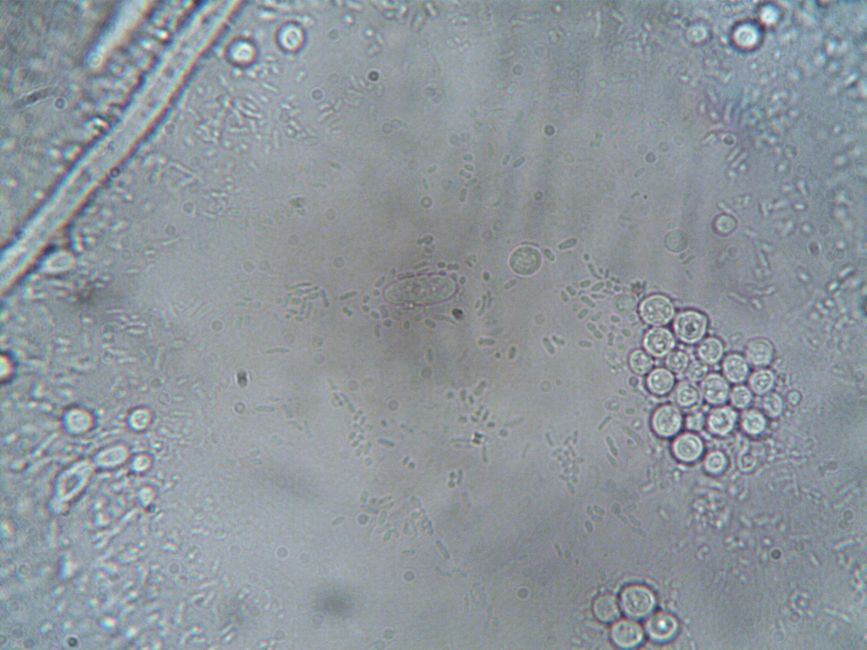
Your dog’s gut microbiome is a living ecosystem of bacteria, fungi, and other microorganisms — estimated at trillions of individual cells — that does far more than break down food. It regulates immune responses, produces short-chain fatty acids that feed the cells lining the intestinal wall, synthesizes certain B vitamins, and sends chemical signals that influence mood and behavior through what researchers now call the gut-brain axis. A disrupted microbiome doesn’t just cause loose stools. It can show up as chronic ear infections, skin inflammation, anxiety-like behavior, and sluggish energy.
Research published in peer-reviewed veterinary journals has documented that the diversity of microbial species in a dog’s gut correlates with markers of overall health — meaning a dog with 400 distinct microbial species functioning in balance tends to show fewer inflammatory conditions than one with a low-diversity microbiome dominated by a handful of opportunistic species. Diversity, not just the presence of “good bacteria,” is the goal.
2. Why Diet Is a Lever, Not a Fix
Diet absolutely shapes the microbiome — but it’s one of at least five major inputs, and often not the most powerful one in an already-disrupted gut. Think of it this way: if you pour high-quality fuel into an engine with a cracked cylinder, the engine still doesn’t run right. The fuel matters, but the structure matters more.
The other four inputs that most pet owners underestimate:
- Antibiotic history: A single round of broad-spectrum antibiotics can reduce microbial diversity by 30–50%, and recovery — without active support — can take months. If your dog was on antibiotics at 8 weeks for a kennel cough or at two years for a UTI, that history leaves a real footprint.
- Stress and cortisol: Chronic stress — from boarding, a new baby in the house, a move across town — elevates cortisol, which directly alters gut motility and microbial composition. A nervous dog isn’t just anxious; she’s gut-compromised.
- Early-life microbiome seeding: Dogs born via C-section or raised in sterile shelter environments often start with a less diverse microbial foundation. That early window matters more than any diet change you make at age four.
- Environmental exposure: Dogs that regularly interact with soil, grass, and other animals tend to have more diverse microbiomes than dogs kept strictly indoors on hard floors. Dirt isn’t the enemy.
None of those four factors are on a dog food label. That’s the gap most owners fall into.
3. The Fiber Variable Most Pet Food Labels Ignore
Here’s where diet does matter — specifically, the type of fiber your dog is getting. Not all fiber is the same. Soluble, fermentable fiber (found in foods like chicory root, psyllium husk, and certain legumes) feeds beneficial bacteria directly. Insoluble fiber moves bulk through the intestine but doesn’t feed microbes the same way. Many commercial dog foods list “fiber content” without distinguishing between the two, which is like listing “carbohydrates” on a human nutrition label without separating sugar from whole grains.
Prebiotics — non-digestible fibers that specifically feed beneficial microbes — are different from probiotics, which are live microbial cultures. Both matter, but prebiotics are what sustain the community long-term. Dumping a probiotic supplement into a diet with zero fermentable fiber is like planting seeds in concrete. The bacteria arrive and find nothing to eat.
If you’re reading a commercial dog food ingredient list and you see chicory root or inulin in the first ten ingredients, that’s a meaningful signal. If the fiber source is generic “powdered cellulose” — which is essentially wood pulp — that’s insoluble bulk with minimal microbiome benefit.
4. A Real Eight-Week Case: What Happened When Diet Alone Wasn’t Enough
A friend of mine in Portland — owns a five-year-old rescue mutt named Biscuit, part shepherd, part mystery — spent almost $800 over eighteen months switching foods trying to fix Biscuit’s chronic ear inflammation and intermittent diarrhea. She went from a grocery store brand to a boutique raw diet, then to a hydrolyzed protein formula recommended by her vet. Each switch helped for about six weeks, then symptoms crept back.
What changed things wasn’t a new food. Her vet recommended a targeted probiotic containing Lactobacillus acidophilus and Bifidobacterium animalis strains specifically studied in canines, combined with a prebiotic fiber supplement, over an eight-week protocol. Weeks one and two: no visible change, which almost made her quit. Week three: stools firmed up consistently. Week five: the ear scratching dropped noticeably. By week eight, Biscuit’s coat had a sheen it hadn’t had in two years.
The food didn’t change in week three. The microbiome did. And here’s the honest part — it wasn’t perfect. Around week six, Biscuit got into the neighbor’s compost pile and had two rough days. The protocol had to reset slightly. Real biology has setbacks. The trend still held.
5. What Doesn’t Work: Four Common Approaches That Miss the Point
I have a strong opinion here. These four approaches are everywhere in the pet wellness space, and most of them are either incomplete or actively counterproductive:
- Rotating proteins every few months “for variety.” Protein rotation stresses the digestive system unless done gradually — over 10 to 14 days minimum — and doesn’t meaningfully diversify the microbiome if the fiber profile stays identical. You’re changing the surface, not the substrate.
- Generic probiotic supplements from the grocery store checkout aisle. Most of these contain strains studied in humans, not dogs. Canine gut pH and transit time are different enough that human-strain probiotics often don’t colonize effectively. They’re not harmful, but they’re largely a waste of money at $22 a bottle.
- Grain-free diets as a blanket solution. The grain-free trend peaked for a reason — pet owners wanted cleaner labels. But grain-free doesn’t mean microbiome-friendly. Some grain-free formulas replace grains with legumes in quantities that may create their own digestive challenges, and the FDA flagged a potential link between certain grain-free diets and dilated cardiomyopathy in dogs, though research is ongoing. Grain-free is not automatically better for gut health.
- Treating every GI symptom with a dietary change. Loose stools three days in a row don’t automatically mean the food is wrong. They might mean your dog licked something on the sidewalk, is stressed about the thunderstorm last Tuesday, or is in early recovery from something. Jumping to a new food resets the gut adaptation process and makes it harder to identify what actually works.
6. How to Actually Support Your Dog’s Microbiome — Not Just Feed Around It
Supporting the microbiome means working on all five inputs, not just diet. Here’s what the practical version looks like:
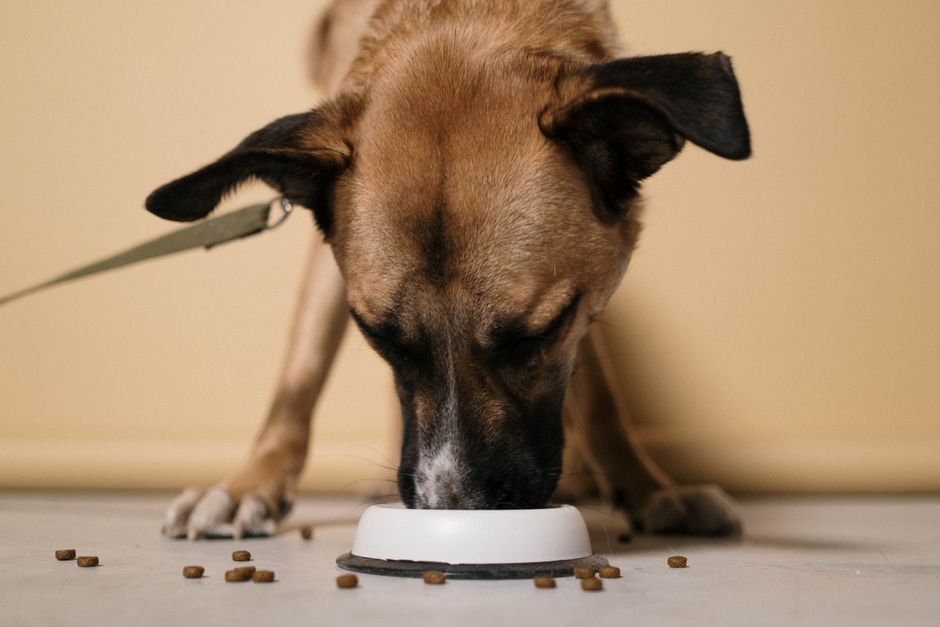
On diet: Look for fermentable fiber sources in the ingredient list — chicory root, inulin, pumpkin, sweet potato. These feed the microbiome. Consider adding a small amount of plain, unsweetened canned pumpkin (one to two teaspoons for a medium dog) as a low-cost prebiotic boost.
On probiotics: If you’re going to supplement, look for products that list strain-specific bacteria with research in dogs — Lactobacillus acidophilus, Enterococcus faecium, or Bifidobacterium species. Ask your vet about veterinary-grade options rather than reaching for a human product. CFU count matters less than strain specificity.
On antibiotic recovery: If your dog finishes a course of antibiotics, that’s a critical window. Don’t wait for symptoms to restart — begin a probiotic and prebiotic protocol within 48 hours of the last dose, and run it for at least four weeks. Most owners stop at two weeks and wonder why the issues return.
On stress: Chronic GI disruption in an anxious dog often won’t resolve through diet alone. Address the behavioral root — structured exercise, enrichment, sometimes behavioral support — and the gut often follows.
On environmental exposure: Let your dog be a dog. Soil contact, sniffing other animals, time outdoors on varied terrain — these are genuine microbiome inputs that no supplement fully replicates.
7. When to Ask Your Vet for a Gut Microbiome Test
Canine gut microbiome testing has become more accessible in recent years. Several veterinary diagnostic labs now offer stool-based microbiome profiles that can identify species imbalances, low-diversity patterns, and the presence of specific opportunistic bacteria. These tests aren’t cheap — typically $100 to $200 — and they’re not necessary for every dog. But if your dog has had chronic GI issues for more than three months despite dietary and probiotic interventions, a microbiome profile gives you actual data instead of guesswork.
It shifts the conversation from “let’s try a new food” to “here’s what’s actually missing or overgrown.” That’s a different kind of problem-solving, and in stubborn cases, it’s often the step that finally moves the needle.
Your Next Three Small Steps
Don’t overhaul everything this week. The gut doesn’t respond well to dramatic change all at once. Instead:
- This weekend: Read the ingredient list on your current dog food and look specifically for the fiber sources. Write them down. Are they fermentable (chicory root, inulin, pumpkin) or insoluble bulk (cellulose)? Just knowing what’s there is step one.
- This week: Add one teaspoon of plain canned pumpkin to your dog’s next meal. Not pumpkin pie filling — plain, unsweetened pumpkin. It’s cheap, it’s safe, and it’s a real prebiotic input. Watch stools over four to five days.
- Next vet visit: Ask specifically about a canine-strain probiotic — not human-grade — and mention any antibiotic history your dog has had in the past two years. That history matters more than most vets have time to address in a standard appointment unless you bring it up.
The microbiome doesn’t need a perfect diet. It needs consistency, the right inputs, and enough time to actually respond. Three small moves, done steadily, will do more than another expensive bag of food with a different animal on the front.

Publicar comentário