Omega-3 Sources Beyond Fish Oil: Plant and Algae Alternatives
Standing in the supplement aisle at Whole Foods on a Tuesday afternoon, I counted fourteen different fish oil products before I found a single algae-based omega-3. One. And it was tucked behind a protein powder display like it was embarrassed to be there. That moment stuck with me — not because fish oil is bad, but because the conversation around omega-3s has been so narrowly framed for so long that millions of people who can’t or won’t take fish oil simply go without.
Here’s the non-obvious part: the omega-3 problem isn’t a fish problem — it’s a conversion problem. Most people assume that if they eat enough flaxseed or walnuts, their body will handle the rest. It won’t. Not reliably. The real question isn’t “where do I get omega-3s without fish oil?” — it’s “which plant or algae sources actually deliver the forms your body uses?” That distinction changes everything about how you shop, what you eat, and whether any of this matters at all.
1. Why the Fish Oil Frame Leaves So Many People Behind
Fish oil dominates because it delivers EPA (eicosapentaenoic acid) and DHA (docosahexaenoic acid) — the two long-chain omega-3 fatty acids your body puts to immediate use for brain function, inflammation regulation, and cardiovascular health. The problem is, roughly 8% of Americans identify as vegetarian or vegan, and a much larger group simply dislikes fish, has a sensitivity to it, or can’t stomach the burp-back effect of standard fish oil capsules. For those people, the standard advice — “just take fish oil” — is a dead end.
There’s also a sustainability angle that’s quietly driving more people away from fish-derived supplements. Forage fish like anchovies and sardines are the base of most fish oil production, and there are legitimate questions about whether that harvesting pressure is sustainable at scale. That’s not a fringe concern anymore; it shows up in mainstream dietary conversations and on product labels.
The good news: fish never actually made omega-3s. Fish accumulate DHA and EPA by eating microalgae. Go straight to the source — algae — and you bypass the fish entirely while getting the exact same long-chain fatty acids.
2. ALA: The Plant-Based Omega-3 You Probably Already Eat (And Why It’s Not Enough Alone)
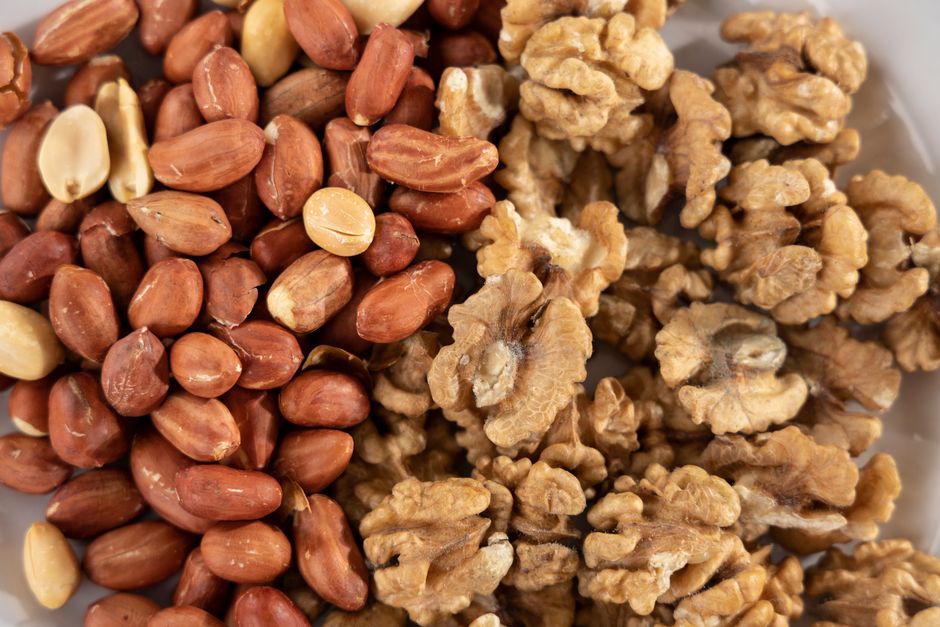
ALA (alpha-linolenic acid) is the omega-3 found in flaxseed, chia seeds, hemp seeds, and walnuts. Your body can technically convert ALA into EPA and DHA — but research consistently shows this conversion rate is low, typically under 10% for EPA and well under 1% for DHA in most adults. Hormonal factors, dietary fat composition, and individual genetics all affect that number.
That doesn’t make ALA worthless. It has its own anti-inflammatory benefits and contributes to overall fatty acid balance. A tablespoon of ground flaxseed on your oatmeal every morning is doing something. But if you’re relying on flaxseed alone to cover your DHA needs — the fatty acid most critical for brain structure and neurological function — you’re likely coming up short.
- Flaxseed (ground): ~2.3g ALA per tablespoon — one of the highest plant sources, but must be ground for absorption
- Chia seeds: ~5g ALA per ounce — also deliver fiber and protein in the same package
- Hemp seeds: ~1g ALA per tablespoon, with a favorable omega-6 to omega-3 ratio
- Walnuts: ~2.5g ALA per ounce — easy to add to salads, oatmeal, or eaten plain
- Canola oil: ~1.3g ALA per tablespoon — not glamorous, but one of the most practical cooking sources
The honest framing: eat these foods regularly for their broad nutritional value. Don’t bank on them to fully cover your long-chain omega-3 needs unless you’re also doing something else.
3. Algae Oil: The Closest Thing to a Direct Upgrade From Fish Oil
Algae-derived omega-3 supplements are the most direct answer to the fish oil problem. They deliver preformed DHA and often EPA — no conversion required — from the same microalgae that fish feed on in the ocean. The molecular structure is essentially identical to what you’d get from fish oil.
Several algae oil supplements are available at major retailers and health food stores across the US. Brands like Ovega-3 and Nordic Naturals’ algae-based line have been on the market long enough to have a track record. A typical algae oil capsule delivers somewhere between 200mg and 400mg of DHA per serving, with some products also including EPA. That’s a clinically meaningful dose.
One thing worth knowing: algae oil tends to cost more than fish oil. A month’s supply often runs $25–$45 depending on the brand and dosage, compared to $10–$20 for a comparable fish oil product. That’s a real barrier for some households. If budget is a constraint, prioritizing a lower-dose algae DHA supplement while leaning heavily on ALA-rich whole foods for the rest is a practical middle path.
Algae oil is also more oxidatively stable than many fish oils when stored properly — meaning it’s less likely to go rancid before you finish the bottle. Keep it in the fridge after opening regardless.
4. Seaweed and Sea Vegetables: Real Food, Modest Doses
Seaweed — nori, wakame, spirulina, chlorella — does contain small amounts of EPA and DHA, making it one of the only whole-food plant sources of long-chain omega-3s. The amounts are modest. A sheet of nori contains a few milligrams of DHA, not hundreds. You’d have to eat an unrealistic quantity of seaweed to hit therapeutic doses this way.
That said, incorporating sea vegetables regularly isn’t a bad idea. Spirulina and chlorella, in particular, are nutritionally dense in ways that go beyond omega-3s — they provide protein, B vitamins, iron, and various antioxidants. Adding a teaspoon of spirulina to a smoothie or eating nori sheets as a snack contributes to a broader nutrient profile even if it won’t move your omega-3 numbers dramatically.
Think of seaweed as part of the ecosystem of your diet, not a standalone omega-3 strategy.
5. A Real Week of Eating: What This Actually Looks Like
For about three months last year, I tracked how I was incorporating non-fish omega-3 sources and paid attention to what actually stuck versus what I kept forgetting. Here’s the honest version:
What worked consistently: Ground flaxseed on oatmeal every weekday morning. I kept the bag next to the oats so it was automatic. One tablespoon, took about four seconds. Walnuts as a desk snack maybe three times a week — I portioned out roughly an ounce into a small container the night before. Algae oil capsule with dinner, right next to my water glass so I couldn’t miss it.
What didn’t work: Chia pudding. I made it twice, liked it both times, then completely forgot about it for six weeks. It requires advance planning — you make it the night before — and on busy weeks that step just didn’t happen. Same with hemp seeds: I bought a bag, used it enthusiastically for two weeks, then it sat in the cabinet. Not a problem with the food, just with my actual habits.
The gap I noticed: Even doing all of this consistently, I was probably getting solid ALA coverage but not hitting the 250–500mg/day DHA threshold that many nutrition researchers consider a baseline for meaningful benefit. The algae capsule closed that gap. Without it, I think the whole-food approach alone would have left me short on DHA specifically.
6. What Doesn’t Work: Four Common Approaches That Fall Short
This is worth being direct about, because a lot of well-meaning advice in this space is either incomplete or actively misleading.
1. Relying on flaxseed oil instead of ground flaxseed. Flaxseed oil delivers ALA in concentrated form, but you lose the fiber and lignans that make whole or ground flaxseed valuable. It also oxidizes quickly once opened. Ground flaxseed is the better daily habit for most people.
2. Assuming a vegan diet automatically covers omega-3 needs. A thoughtfully constructed plant-based diet can be excellent for health in many ways — but omega-3s are genuinely a weak spot unless you’re intentional about it. The data on DHA levels in long-term vegans who don’t supplement is consistent: they tend to run lower. This isn’t an argument against veganism; it’s an argument for targeted supplementation within it.
3. Taking high-dose ALA supplements expecting DHA results. There are flaxseed oil capsules marketed with language that implies they’ll deliver the same benefits as fish oil. They won’t — not because ALA is useless, but because the conversion bottleneck is real and not solved by taking more ALA.
4. Treating algae oil as interchangeable with any fish oil dose. Dosing matters. Some algae oil products are DHA-only and contain minimal EPA. If you’re targeting EPA specifically — for mood support, for example — check the label carefully and choose a product that includes both, or supplement strategically.
7. How to Think About Dosing Without Obsessing Over It
Most mainstream health guidance suggests somewhere between 250mg and 500mg of combined EPA and DHA daily for general health maintenance, with higher ranges discussed for specific conditions like elevated triglycerides. The NIH’s Office of Dietary Supplements publishes reference values for omega-3s that are worth reviewing if you want the formal baseline.
For practical purposes: one standard algae oil capsule (typically 200–300mg DHA) combined with regular ALA-rich foods gets most people into a reasonable range without complicated math. If you have a specific health condition or are pregnant — DHA is especially important during fetal brain development — talk to a doctor or registered dietitian about whether a higher-dose protocol makes sense.
What I’d push back on is the idea that you need to track milligrams obsessively every day. Building two or three consistent habits — a daily algae capsule, regular walnut or flaxseed intake, occasional seaweed — creates a baseline that’s sustainable. Perfection on Monday and forgetting about it Thursday isn’t better than consistent moderate effort all week.
This Week: Three Small Moves
You don’t need a supplement overhaul or a new meal plan. Start here:
- Buy one bag of ground flaxseed and put it next to whatever you eat for breakfast. Use one tablespoon daily for two weeks before deciding if you need anything else.
- Look at one algae oil supplement at your next grocery run — check the label for both DHA and EPA content, and compare the mg per serving, not just the price.
- Eat a small handful of walnuts three times this week as a snack. That’s it. No recipe, no prep. Just walnuts.
Those three things together cost under $15 and take about forty-five seconds of daily effort. That’s a better starting point than a complicated protocol you’ll abandon by Friday.



Publicar comentário