The Best Superfoods for Senior Dogs: What Actually Works
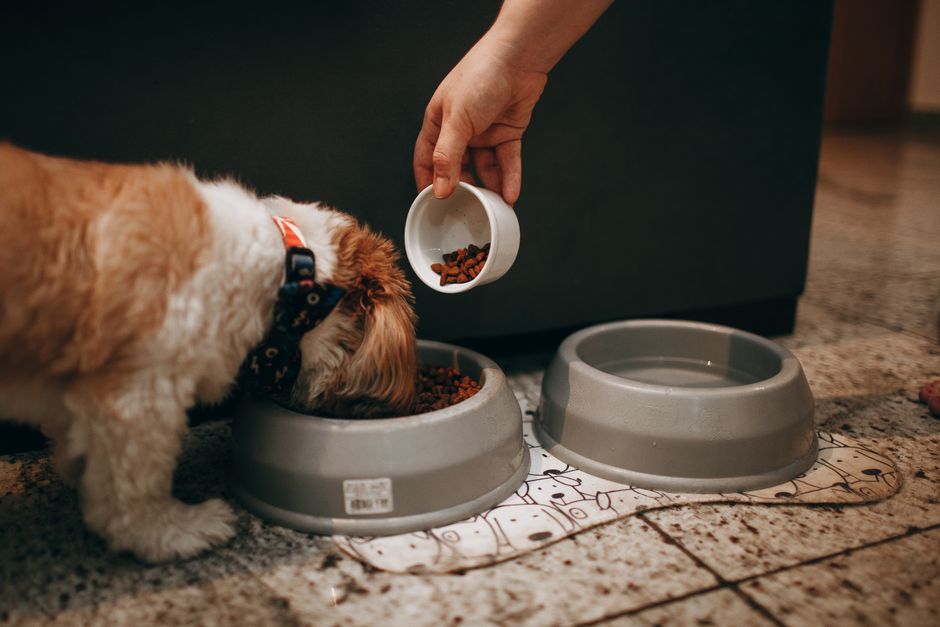
My neighbor’s 11-year-old Lab, Duke, spent most of last winter barely making it off the kitchen floor. His joints were stiff by 6 a.m., his coat had gone dull, and his appetite — once legendary — had dropped to half a bowl a day. His vet wasn’t alarmed. “He’s just old,” she said. But his owner wasn’t satisfied with that answer. So she started making small changes to his bowl, one ingredient at a time.
Six months later, Duke was doing laps around the backyard at 7 p.m. That’s not a miracle story. That’s what targeted nutrition can do when you stop treating “senior dog food” as a single category and start thinking about what specific foods actually do inside an aging body.
Here’s the thing most pet nutrition content gets wrong: the problem isn’t that dog owners don’t care about their senior dogs’ diets — they care deeply. The problem is that the word “superfood” gets slapped on everything from kale to coconut oil, with zero distinction between what’s backed by real canine biology and what’s just borrowed from human wellness trends. Your senior dog is not a 65-year-old CrossFitter. The physiology is different, the deficiencies are different, and the foods that move the needle are different too.
1. Why Senior Dogs Have Different Nutritional Needs
Once a dog crosses the 7-year mark — or around 5 for giant breeds like Great Danes — their metabolism slows, muscle mass starts declining, joint cartilage thins, and the liver and kidneys work less efficiently. These aren’t just “aging” issues in a vague sense. They’re specific biological shifts that create specific gaps in what kibble alone can fill.
Research published in veterinary nutrition literature consistently shows that older dogs absorb certain nutrients — particularly protein, omega-3 fatty acids, and antioxidants — less efficiently than younger dogs. The food that kept your dog thriving at age 3 may be leaving real gaps by age 9.
That’s not a sales pitch for supplements. It’s a reason to look harder at what you’re actually putting in the bowl.
2. Blueberries: Small Fruit, Measurable Impact on Cognitive Decline
Blueberries are one of the most well-supported foods for aging dogs, specifically because of their antioxidant load — which directly counters oxidative stress in the brain. Older dogs can develop a condition called Canine Cognitive Dysfunction (CCD), which looks a lot like early dementia: night pacing, disorientation, changed sleep patterns. Antioxidants don’t reverse it, but there’s real evidence they slow the progression.
The practical version: 5 to 8 fresh blueberries tossed on top of dinner, three or four nights a week. Frozen work just as well and cost less — a 12-oz bag at most grocery stores runs about $3.50. Don’t overthink it. You’re not making a smoothie bowl for your dog. You’re adding a consistent source of anthocyanins to a diet that probably lacks them.
One note: blueberries are high in natural sugar relative to other berries. If your senior dog is managing weight issues or diabetes, check with your vet before making this a daily habit.
3. Sardines (Packed in Water): The Omega-3 Source That Actually Gets Absorbed
Sardines packed in water are, pound for pound, one of the most efficient omega-3 sources you can add to a senior dog’s diet — and they’re far better absorbed than plant-based omega-3s like flaxseed. Dogs don’t convert ALA (the omega-3 in flax) to EPA and DHA efficiently. Sardines deliver EPA and DHA directly.
Why does this matter for senior dogs? Omega-3s reduce systemic inflammation, which underlies arthritis, heart disease, and cognitive decline — three of the most common issues in dogs over 8. A single sardine (about half a can of the small ones) added to your dog’s bowl twice a week is enough to make a difference over time.
Pick the ones packed in water, not oil, and definitely not in tomato sauce or brine. The sodium in flavored varieties is too high for older dogs whose kidneys are already working harder. A plain 3.75-oz can runs about $1.50 at most major grocery chains. It’s not glamorous, but it works.
4. Pumpkin: The Gut Health Fix That Works in Both Directions
Plain canned pumpkin — not pie filling — is one of the most reliable tools for managing digestive irregularity in senior dogs, whether the problem is loose stools or constipation. The soluble fiber in pumpkin absorbs excess water in the digestive tract while also adding bulk when things are moving too slowly.
Senior dogs frequently deal with both problems, sometimes alternating between them, especially as their gut motility changes with age. One to two tablespoons of plain pumpkin mixed into food works for most medium-to-large breeds. Smaller dogs need less — about a teaspoon.
The thing nobody mentions: it also helps with the anal gland issues that plague so many older dogs. Better stool consistency means natural expression during bowel movements, which reduces the vet visits that cost $40–$60 just for a manual expression. That’s a practical return on a $2 can of pumpkin.
5. Eggs: Cheap, Bioavailable Protein When Muscle Mass Is at Risk
A whole cooked egg is one of the highest-bioavailability protein sources you can add to a senior dog’s bowl — and muscle preservation is one of the most underrated issues in aging dogs. As dogs age, they lose lean muscle mass even if they’re eating the same amount of food. This is called sarcopenia, and it accelerates in dogs over 9.
Eggs score nearly perfect on biological value for protein absorption. A scrambled egg (no butter, no salt) added to your dog’s regular food two or three times a week costs you maybe 30 cents per serving and provides a meaningful protein boost without stressing the kidneys the way high-protein kibble can in dogs with early renal changes.
Raw eggs are a point of debate. Personally, I stick with lightly cooked — scrambled or hard-boiled — because raw egg whites contain avidin, which blocks biotin absorption when eaten regularly. Cooked neutralizes that.
6. Turmeric: Real Benefit, Real Limits
Turmeric’s active compound, curcumin, has legitimate anti-inflammatory properties relevant to arthritic senior dogs — but the bioavailability problem is real, and most people use it wrong. Curcumin is poorly absorbed on its own. It needs fat and black pepper (specifically piperine) to be absorbed meaningfully.
A small pinch of turmeric mixed with a tiny amount of coconut oil and a crack of black pepper — added to food a few times a week — is the functional version. Quarter teaspoon for medium dogs, an eighth for small breeds. Don’t dump a tablespoon of turmeric powder in the bowl. That’s not how absorption works, and high doses can irritate the GI tract.
Also: turmeric can interact with blood thinners and some anti-inflammatory medications. If your senior dog is already on NSAIDs for arthritis — which many are — talk to your vet before adding turmeric. The interaction isn’t theoretical.
7. What Doesn’t Work (And Why People Keep Trying It Anyway)
This is the part that matters as much as the list above.
- Coconut oil as a cure-all: It got wildly popular around 2018 and it’s still circulating as a fix for everything from dry skin to cognitive decline. The reality is that coconut oil is mostly saturated fat with no meaningful omega-3 content. For senior dogs already prone to pancreatitis or weight gain, adding coconut oil regularly is more risk than benefit.
- Apple cider vinegar in water: The theory is that it improves gut pH and immunity. There’s no solid canine research supporting this, and the acidity can irritate the esophagus and stomach lining — especially in older dogs who may already have acid-related sensitivity.
- Spinach as a “superfood” for dogs: Spinach is fine in tiny amounts, but it contains oxalates — compounds that can contribute to kidney stone formation. For senior dogs with any kidney function decline, which is common after age 8, spinach is one to skip entirely.
- Feeding the same “senior” kibble for years without reassessment: Most commercial senior formulas were designed to a general profile. A 9-year-old Beagle and a 9-year-old Rottweiler have different caloric needs, different joint loads, and different kidney considerations. “Senior” on a bag is a marketing category, not a medical prescription.
8. One Real Week: What This Actually Looked Like
I tried a modified version of this approach with a 10-year-old rescue mutt — probably some shepherd mix — named Reese. She’d been on a standard senior kibble for two years, was stiff in the mornings, and had loose stools about twice a week.
Week one: added a tablespoon of plain pumpkin to her evening meal. The loose stool issue improved by day four. Not gone, but noticeably better.
Week two: added half a sardine twice that week. She ate it like it was the greatest thing that had ever happened to her. Morning stiffness didn’t change noticeably yet.
Week four: the morning stiffness was slightly less dramatic. She was still slow to get up, but she was making it to the door without stopping halfway.
Did I do this perfectly every week? No. There was a stretch where I ran out of sardines and didn’t replace them for 10 days. There was a night I gave her too much pumpkin and deeply regretted it the next morning. Real routines have gaps. That’s fine. Consistency over weeks matters more than perfection on any given Tuesday.
Your Next Three Steps This Week
You don’t need to overhaul your dog’s entire diet. Start smaller than that.
- This afternoon: Buy one can of plain pumpkin and one can of sardines in water. That’s it. Total cost: under $4. You now have two weeks of small additions ready to go.
- Tonight: Add five blueberries or one tablespoon of pumpkin to your dog’s dinner. Just to see how they respond. Some dogs are suspicious. Most aren’t.
- This week: Write down two or three things you’ve noticed about your senior dog — stiffness timing, stool consistency, energy level around 4 p.m. You’ll want a baseline before you start making changes, so you can actually tell what’s working three weeks from now.
Duke is still going. He turned 12 in April. His owner still adds sardines twice a week and blueberries most evenings. His vet, at his last checkup, said his coat condition had noticeably improved. Small inputs. Real outputs. That’s the whole idea.

Publicar comentário