AI Pet Grooming Tools That Actually Save You Time
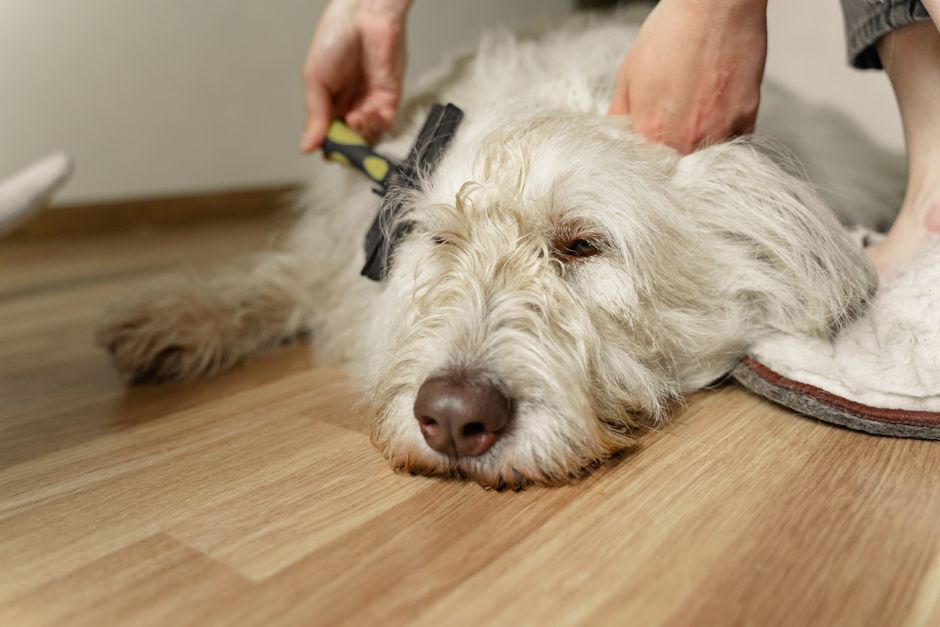
It’s a Sunday afternoon and your golden retriever is sitting in the bathtub, soaking wet, looking at you like you’ve personally betrayed him. You’ve already spent 45 minutes brushing out mats, another 20 trying to get an even trim around his ears, and now the blow dryer is making that high-pitched whine that means the motor is probably about to die. You have dinner plans in two hours. This is not what you pictured when you imagined owning a dog.
Here’s the thing most pet grooming content gets wrong: the problem isn’t that people don’t know how to groom their pets. It’s that they wildly underestimate how long it takes — and they use tools designed for professionals who groom six dogs a day, not someone doing it once every three weeks in a bathroom the size of a closet. AI-powered grooming tools don’t fix every problem, but a handful of them genuinely cut the time investment by a third or more. That’s the real pitch. Not perfection. Just getting your Sunday back.
1. What “AI-Powered” Actually Means in Pet Grooming Tools
Most AI pet grooming tools use one of two things: computer vision to detect skin, fur density, or coat patterns in real time, or adaptive motor technology that adjusts speed and torque based on sensor feedback. Neither is magic. But both solve a real problem — the guesswork that slows down every home grooming session.
When a trimmer’s motor adjusts automatically because it detects thicker fur near the haunches, you stop stopping. That’s it. That’s the time savings. You’re not pausing to switch guard sizes or re-angle the blade because you hit a dense patch. The tool reads the resistance and compensates. For a 70-pound mixed breed with inconsistent coat density — which describes roughly half the dogs in the United States — that matters a lot.
Industry reports from the pet care sector have shown that the home grooming market has grown steadily since 2020, with more households opting to handle basic grooming themselves rather than pay the $75 to $120 average cost of a professional grooming appointment. The tools filling that space have gotten meaningfully smarter.
2. The Adaptive Trimmer: The One Tool Worth Buying First
If you’re only adding one AI-assisted tool to your setup, make it an adaptive clipper or trimmer — one with automatic speed adjustment based on coat resistance. These tools use real-time feedback loops to modulate motor power, which means less blade drag and fewer pulled hairs. For nervous dogs, that tactile difference is significant.
A few specific things to look for:
- Tangle detection sensors that slow the blade before pulling — not after
- Low-vibration modes that kick in when the sensor detects stationary contact (i.e., when your dog stops moving and the blade is still)
- App connectivity that logs session time and coat condition — surprisingly useful if you have multiple pets on different grooming schedules
The app connectivity piece sounds gimmicky until you realize you’ve completely lost track of when you last trimmed your cat’s paw fur and she’s started slipping on the hardwood again. Having a timestamped log — even a basic one — removes the mental overhead of remembering grooming schedules for more than one animal.
3. AI Deshedding Brushes: Real Time Savings or Marketing Noise?
Honest answer: depends on the dog. AI-assisted deshedding brushes — the kind with pressure sensors that adjust bristle depth based on coat thickness — do save time on double-coated breeds. Huskies, German Shepherds, Bernese Mountain Dogs. The sensor technology detects when you’re working through undercoat versus topcoat and adjusts penetration depth accordingly, which means you’re not going over the same section four times.
For short-haired dogs? The difference is negligible. A standard rubber curry brush will do the same job in the same time. Don’t spend $80 on an AI deshedding tool for your Weimaraner. It won’t matter.
The one detail that separates the genuinely useful brushes from the ones that just have “smart” in the name: the pressure feedback has to work bidirectionally. The brush needs to respond to the dog’s skin sensitivity, not just the coat thickness. Some dogs have sensitive spots — near the hips, around the base of the tail — where even moderate pressure causes flinching. A brush that eases up when it detects resistance from the dog’s body, not just resistance from the fur, is worth the premium. A brush that just tracks how much fur it collects is not.
4. A Real Week of Using These Tools — Including the Day It Didn’t Work
I started testing an adaptive clipper and a sensor-based deshedding brush on a rotating basis with two dogs: a five-year-old Australian Shepherd mix and a three-year-old Beagle. Three weeks, four grooming sessions each, timed from setup to cleanup.
With the Aussie mix, the adaptive clipper cut my session time from about 55 minutes to around 35. The automatic slowdown near the ears worked well — that’s historically the worst part because she hates the vibration near her face. When the blade slowed, she relaxed. That’s not a small thing.
The Beagle — short coat, dense but flat — saw almost no time improvement from the clipper. The deshedding brush was moderately faster than my old rubber brush, maybe five minutes over a 20-minute session. Not transformative.
The day it didn’t work: session three with the Aussie mix, the app lost its Bluetooth connection mid-session and the trimmer defaulted to its highest speed setting. She immediately tensed up. I had to stop, restart the tool, re-pair it, and spend five minutes getting her calm again. Total session: 52 minutes — longer than before I had the “smart” tool. That happened once out of eight sessions. But it happened. Budget for imperfection.
5. Smart Grooming Cameras: Useful If You Have the Right Setup
Some grooming tables and restraint arms now pair with mounted cameras that use computer vision to flag uneven cuts or missed patches in real time — essentially giving you a second set of eyes that doesn’t get tired. These are genuinely useful, but they have a steep entry requirement: you need a dedicated grooming space with consistent lighting.
If you’re grooming your dog on the bathroom floor under a flickering LED bulb at 9pm, the camera’s AI is going to give you bad reads. The computer vision models these tools use are trained on well-lit, controlled environments. Poor lighting introduces errors. The camera might flag a shadow as a missed patch, or miss an actual uneven spot because the angle is wrong.
This is a tool for people who have committed to home grooming as a long-term practice — not for the person doing it reluctantly every six weeks. If you’ve set up a grooming station with a proper table and reliable overhead light, the camera overlay is legitimately helpful, especially for trims around the face and paws where mistakes are most visible.
6. What Doesn’t Work: Four Approaches to Skip
After spending time with these tools and talking to people who groom their own pets regularly, here are the approaches that consistently disappoint:
- AI-powered shampoo dispensers with “coat analysis.” These read coat moisture and dispense conditioner accordingly. In practice, the variance in their recommendations is so small — a few milliliters — that it makes no detectable difference in coat condition or rinse time. Save the counter space.
- Grooming apps that just give you a schedule. Any calendar app does this. An app that only tells you when to groom your pet without adding real-time sensor data or coat tracking isn’t using AI in any meaningful way. It’s a reminder app with better branding.
- All-in-one grooming kits bundled with AI features. The clippers are usually underpowered, the brush sensors are imprecise, and you end up replacing the individual components within a year anyway. Buy the one thing you actually need and buy it well.
- Trying to use professional-grade AI grooming tools in a home setting without training. Some adaptive clippers designed for commercial use have tension settings and blade configurations that assume the operator knows what they’re doing. Using them without understanding the manual doesn’t make the AI work better — it just makes the mistakes faster.
7. The Coat Health Angle Most People Miss
Here’s something the marketing for these tools almost never mentions: the time savings aren’t just about the grooming session itself. They’re about the recovery time between sessions.
When a dog has a bad grooming experience — pulled fur, vibration anxiety, uneven cuts that leave skin exposed — they become harder to groom next time. The session takes longer. The dog is more resistant. You push the appointment out another week. The coat degrades further. This is a cycle that’s genuinely hard to break once it’s established.
Tools that reduce the physical discomfort of grooming — through tangle detection, pressure sensitivity, lower noise profiles — are breaking that cycle at the source. The time savings compound over months, not just in that one session. A dog that associates the trimmer with a calm, quick experience is a dog that doesn’t bolt under the bed when you bring the grooming bag out. That alone is worth $40 extra on a better tool.
8. How to Actually Choose Without Getting Lost in Specs
The spec sheets for AI grooming tools are designed to overwhelm you into choosing the most expensive option. Cut through it with three questions:
- What’s my dog’s coat type? Double coat, single coat, curly, wiry — this determines whether adaptive sensors will actually engage. If they won’t engage often, you don’t need them.
- How often do I actually groom? If it’s less than once a month, invest in one quality tool, not a system. Systems require consistency to pay off.
- What part of grooming takes the most time? Deshedding, trimming, drying? Buy the AI-assisted version of that one thing. The rest can stay analog.
You don’t need a smart dryer, a smart brush, a smart clipper, and a smart camera. You need the one tool that addresses the specific bottleneck in your current process. Pick that. Use it until it breaks. Then decide what to upgrade next.
Start Here This Week
Don’t overhaul anything. Three small moves:
Today: Time your next grooming session — start to cleanup — without changing anything. Write the number down. You probably don’t actually know how long it takes, and you can’t improve what you haven’t measured.
This week: Identify the single longest phase of that session. Is it the brushing? The trimming? The drying? That’s where an AI-assisted tool would actually help you. Search specifically for tools designed for that phase, not for “AI pet grooming” broadly.
Before you buy: Check whether the tool has a return window of at least 30 days. One session isn’t enough to know if a tool works for your specific dog. You need three. Make sure you have time to find that out before you’re stuck with it.
That’s it. No new system. No overhaul. Just one number, one bottleneck, and a return policy. The Sunday afternoon version of you — soaking wet, watching the clock — will thank you.



Publicar comentário