Why Vets Now Recommend Wearable Health Monitors for Cats
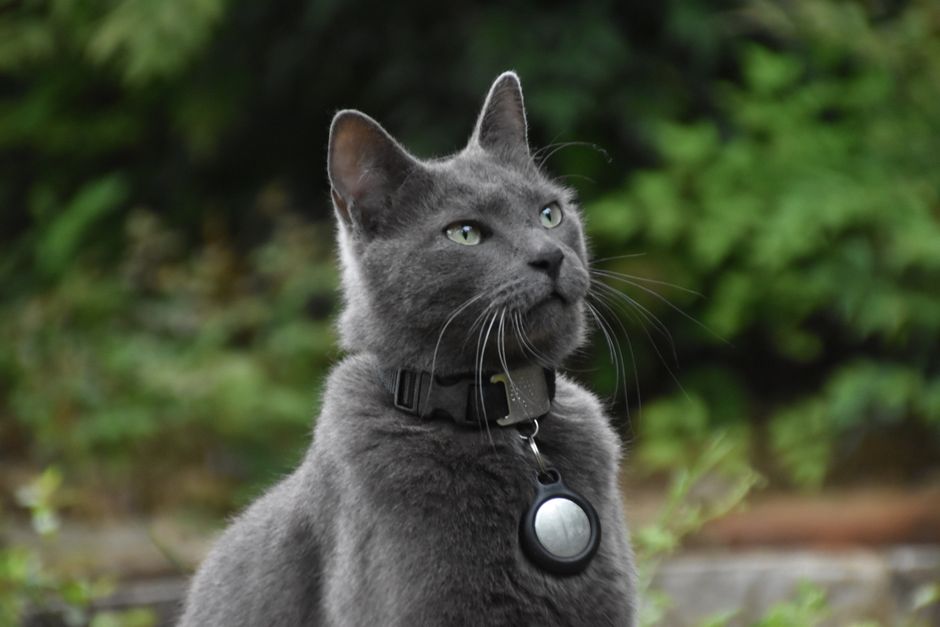
It was 11:23 p.m. when my neighbor texted me a screenshot from her cat’s health tracker — a spike in resting heart rate that had been climbing for three days without a single visible symptom. Her cat, a seven-year-old tabby named Clover, looked completely fine. Ate dinner. Groomed herself. Did the whole sphinx pose on the couch. But the data said something was off. Her vet saw the graph, ordered bloodwork, and caught early-stage hyperthyroidism before Clover lost a single ounce of body weight. That’s the kind of story that used to sound like science fiction. In 2026, it’s just a Tuesday night.
1. The Real Problem Isn’t That Cats Hide Pain — It’s That We Have No Baseline
Vets have told pet owners for decades that cats are “stoic” animals that mask illness. That’s true, but it’s also a little misleading. The deeper issue isn’t cat psychology — it’s that most owners have no data to compare against. When Clover’s heart rate spiked, her owner could see it because she had six months of normal readings stored in an app. Without that baseline, even the most attentive owner is flying blind. A wearable doesn’t give your cat a voice. It gives you context.
This distinction matters because it changes how you think about the technology. You’re not buying a device to catch emergencies in real time. You’re building a personal health record for an animal that can’t fill out intake forms.
2. What Wearable Health Monitors for Cats Actually Track
Most modern cat wearables track a combination of activity levels, rest patterns, heart rate, respiratory rate, and — in newer models — temperature. Some connect via Bluetooth to a base station in your home; others use cellular or Wi-Fi to push data directly to an app. The form factor matters a lot with cats: most devices clip to a collar or integrate into a collar band, and the best ones weigh under 10 grams so the cat doesn’t notice it after the first day or two.
- Activity and rest tracking: Counts movement, flags sudden drops in daily steps or play sessions, and monitors sleep quality.
- Heart rate and respiratory rate: Typically measured through photoplethysmography (PPG) sensors or accelerometer-based algorithms, depending on the device.
- Caloric burn estimates: Useful for cats managing weight — a surprisingly common issue, since industry surveys consistently show that roughly 60% of domestic cats in the U.S. are overweight or obese.
- Location/GPS: Some trackers include GPS for outdoor cats, though these tend to be heavier and require more frequent charging.
No device is perfect at all of these simultaneously. That’s a real limitation worth naming upfront — more on that in section 5.
3. Why Veterinarians Started Recommending These Devices
The shift in veterinary opinion didn’t happen overnight, and it didn’t happen because vets suddenly became tech enthusiasts. It happened because the data started showing up in exam rooms and proving its worth.
A few years ago, most vets were skeptical — reasonably so. Early pet wearables were glorified step counters with flashy apps and questionable accuracy. But the generation of devices that emerged after 2022 improved sensor quality significantly, and some manufacturers began publishing validation studies comparing device readings against clinical-grade measurements. When a vet can pull up six months of resting respiratory rate data on a cat with suspected heart disease, that’s clinically meaningful information, not a gimmick.
The American Veterinary Medical Association has acknowledged the growing role of remote monitoring tools in companion animal care, and veterinary cardiologists in particular have become early advocates — especially for cats with hypertrophic cardiomyopathy (HCM), a condition where subtle changes in resting respiratory rate can signal dangerous fluid buildup before the cat shows obvious distress.
Dr. specialists at cardiology referral centers now routinely ask owners to use resting respiratory rate apps or wearables at home between appointments. It’s not replacing the stethoscope. It’s extending the vet’s reach into the 364 days a year when your cat isn’t sitting on an exam table.
4. A Real-World Case: Eight Weeks With a Cat Monitor (Including the Frustrating Parts)
A friend of mine — a cat owner in Denver with two indoor cats, ages four and eleven — agreed to share her experience using a collar-based health tracker for about eight weeks. I’ll call the older cat Miso.
Week one was rough. Miso refused to wear the collar for the first three days and managed to Houdini it off twice. Her owner finally got a properly fitted breakaway collar with the tracker attached and Miso tolerated it by day five. The app showed almost no useful data from that first week — too much signal noise from the collar removals.
By week three, the baseline was forming. Miso’s average daily active minutes hovered around 22 to 28, and her resting heart rate was consistently in the 140–160 bpm range, which is normal for cats. Sleep cycles looked regular.
Week six was when it got interesting. Miso’s active minutes dropped to under 15 for four consecutive days. She still ate — maybe slightly less, but nothing dramatic. Her owner almost dismissed it. But she mentioned it at a routine vet visit, showed the data, and the vet ordered a urinalysis. Early kidney disease markers. Caught at stage 1, when dietary changes can meaningfully slow progression.
Was the tracker responsible for that diagnosis? Not entirely. The vet would have done annual bloodwork eventually. But the wearable flagged a behavioral shift two to three weeks earlier than the owner would have noticed it on her own — and in kidney disease, that window matters.
The frustrating part: the younger cat’s tracker threw off false activity alerts three times due to a ceiling fan near the cat’s favorite perch. The app’s motion detection couldn’t distinguish between the cat moving and ambient vibration. It took a firmware update and repositioning the base station to fix it. Real-world devices have real-world bugs.
5. What Doesn’t Work — And What Vets Are Tired of Seeing
Not every approach to cat health wearables is worth your money or your vet’s time. Here are four things that consistently fall short:
- Using a dog tracker on a cat. This seems obvious, but people do it. The algorithms in most dog-specific wearables are tuned to larger animals with different gait patterns and heart rate ranges. The data you get from a dog tracker on a 10-pound cat is almost meaningless. Cat-specific validation matters.
- Checking the app obsessively without establishing a baseline first. If you open the app every hour in week one and panic at every variation, you’ll exhaust yourself and call your vet with false alarms. The device needs at least three to four weeks of normal data before the trend lines become useful. Patience is the whole game here.
- Treating the tracker as a replacement for annual exams. Some owners — and I’ve heard vets describe this frustration directly — start skipping wellness visits because they feel the tracker is monitoring everything. It isn’t. Bloodwork, dental evaluation, physical palpation — none of that comes through a collar sensor. The wearable is an addition, not a substitute.
- Buying the cheapest option to “try it out.” Sub-$20 clip-on trackers with no validated sensors and no app infrastructure will give you step counts that may or may not be accurate and nothing else clinically useful. If you’re going to do this, do it with a device that has published accuracy data or veterinary endorsement. Otherwise you’re just buying a small piece of plastic that your cat will destroy by week two.
6. How to Choose the Right Device for Your Cat
There’s no single best device for every cat, but there are a few questions that narrow the field quickly:
Is your cat indoor-only or does she go outside? Outdoor cats benefit from GPS functionality even if it adds weight. Indoor-only cats don’t need GPS, which means you can get a lighter, less expensive device with better battery life.
Does your cat have a known health condition? If your cat has been diagnosed with HCM, kidney disease, diabetes, or hyperthyroidism, ask your vet specifically which metrics matter most. A cat with heart disease benefits most from resting respiratory rate monitoring. A diabetic cat may benefit more from activity and rest pattern tracking that correlates with glucose fluctuations.
What does the app actually show you? Before buying, look at real screenshots of the companion app. If it only shows a bar graph of daily steps, it’s not giving you veterinary-grade insight. Look for apps that display trend lines over weeks, allow you to log vet visits and medications, and let you export data as a PDF or CSV to share with your vet.
How heavy is it? Anything over 10% of the cat’s body weight is too heavy for continuous wear. For an 8-pound cat, that means the tracker plus collar should weigh no more than about 13 grams total — which is harder to achieve than it sounds. Check the product specs, not the marketing copy.
7. The Vet Conversation You Need to Have Before You Buy
Here’s something most buying guides skip: your vet’s opinion should come before your purchase, not after. Not because vets know every device on the market — most don’t — but because your vet knows your cat’s specific health history and can tell you which metrics are worth tracking.
A simple question at your next appointment: “Are there any health risks for [cat’s name] that a home monitoring device might help us catch earlier?” That one question will tell you whether you need resting respiratory rate tracking, activity monitoring, weight trend data, or nothing at all. It also opens the door for your vet to mention devices they’ve seen work well in their practice — which is more reliable than a sponsored review on a pet product blog.
Veterinary telehealth platforms, which expanded significantly after 2020 and are now widely used across the U.S., have also started integrating with wearable data. Some platforms let you share a device’s activity and vitals report directly in a telehealth chat, which means you can get a quick professional opinion on a data trend without driving to a clinic. That integration is still uneven across devices and platforms, but it’s worth asking your vet whether their preferred telehealth tool supports it.
8. The Privacy and Data Question Nobody Talks About
Cat health trackers collect continuous biometric data about an animal in your home — and that data lives on a company’s servers. Most major pet tech companies have privacy policies, but few cat owners read them. Worth knowing: some companies share aggregated (anonymized) data with veterinary research partners, which is generally a net positive for the field. But you should know whether your specific device does this and whether you can opt out.
The more practical concern: what happens to your cat’s health data if the company shuts down or gets acquired? This has already happened with a few early pet tech startups. Before buying, check whether you can export your full data history locally. If the answer is no, that’s a real risk — especially if you’re building a multi-year health record you intend to share with future vets.
Your Next Three Steps — Small Ones
You don’t need to buy anything this week. Start here instead:
- Count your cat’s resting respiratory rate tonight. Set a 60-second timer while your cat is asleep, count chest rises, multiply by one if you counted a full minute. Normal is roughly 20–30 breaths per minute. Write it down with the date. That one data point, repeated weekly, is the most clinically useful thing a cat owner can track — and it costs nothing.
- At your cat’s next vet visit, ask the specific question from section 7. Bring it up before the exam ends. You’ll get a more useful answer than anything a product page will tell you.
- If you decide to buy a device, give it four weeks before evaluating it. Not four days. Not two weeks. Four weeks of consistent wear before you decide whether the data is useful. The baseline is the product.


Publicar comentário